
Ayurvedic medicine promotes sexual wellness through a holistic approach, balancing mind, body, and spirit. It uses diet, herbs like Ashwagandha and Shilajit, and lifestyle adjustments to enhance intimacy and reproductive health. Understanding Doshas and Shukra Dhatu is key to addressing imbalances and achieving natural vitality.
Ayurvedic medicine offers a holistic and time-tested approach to sexual wellness, integrating mind, body, and spirit to enhance intimacy, vitality, and reproductive health. It focuses on natural balance through diet, herbs, lifestyle, and specific therapies to address the root causes of sexual imbalances.
✓ Updated for 2026 with the latest information and best practices.
Key Takeaways
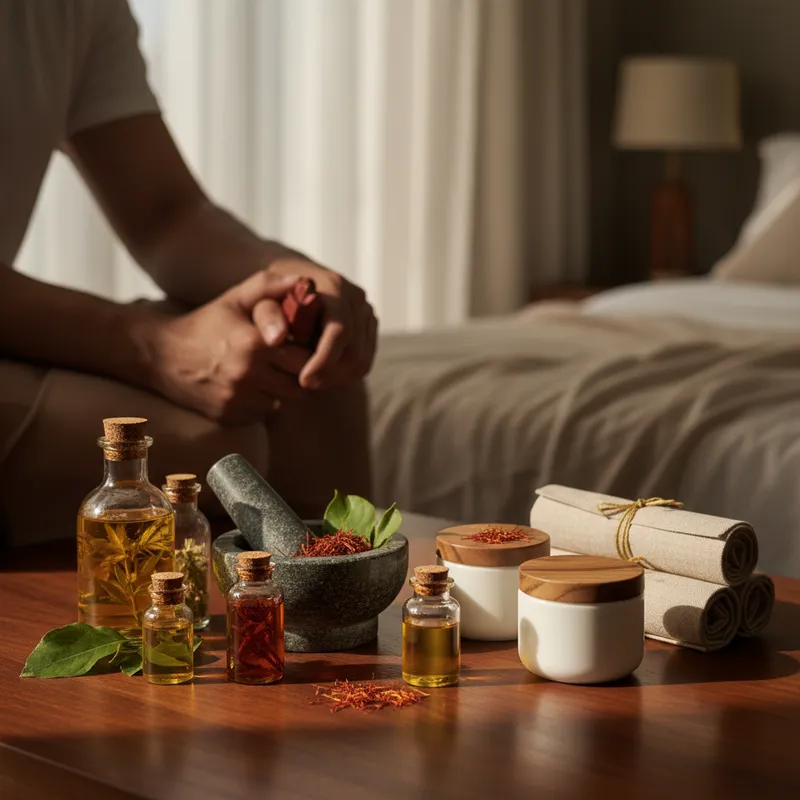
- Ayurveda offers a holistic approach to sexual wellness, focusing on balance and natural vitality.
- Key Ayurvedic principles like Doshas, Agni, and Ojas directly influence sexual health and function.
- Specific herbs such as Ashwagandha, Shilajit, and Gokshura have long been used to support libido and reproductive health.
- Diet and lifestyle adjustments are crucial components of Ayurvedic sexual wellness, emphasizing nourishing foods and mindful living.
- Understanding and addressing imbalances in Shukra Dhatu is central to achieving optimal sexual vitality according to Ayurvedic texts.
Introduction: Embracing Ancient Wisdom for Modern Sexual Wellness

Ayurveda, the ancient Indian system of medicine, views sexual wellness not merely as the absence of dysfunction but as a state of vibrant health and fulfilling intimacy. This comprehensive guide delves into the principles of Ayurvedic sexual wellness, exploring how ancient wisdom can be applied to modern life to cultivate deeper connection and well-being. We will examine the core concepts, key herbs, dietary recommendations, and lifestyle practices that contribute to a balanced and thriving sexual life, drawing upon centuries of knowledge.
In our exploration, we aim to provide actionable insights for individuals and couples seeking to enhance their sexual health naturally and effectively.
The key to success with Complete Guide to Sexual Wellness Ayurvedic Medicine is consistency and data-driven decision making.
This guide is designed to be a thorough resource, offering clarity and practical advice for anyone interested in the profound connection between Ayurveda and sexual vitality.
For centuries, Ayurvedic practitioners have understood the intricate link between overall health and sexual vitality. This ancient science emphasizes a personalized approach, recognizing that each individual's constitution, or Prakriti, is unique. Therefore, strategies for sexual wellness are tailored to address specific imbalances and promote harmony within the body. As we navigate the complexities of modern life, returning to these foundational principles can offer profound benefits.
This guide will serve as your roadmap to understanding and implementing Ayurvedic practices for enhanced sexual wellness, ensuring you have the knowledge to make informed choices for your intimate health. We will cover everything from the foundational Ayurvedic concepts to specific remedies and lifestyle adjustments.
The Ayurvedic Framework for Sexual Health

Ayurveda is a comprehensive system of traditional Indian medicine that focuses on achieving balance in the body, mind, and spirit to promote health and longevity. It views health as a state of equilibrium among the three primary bio-energies, or Doshas: Vata, Pitta, and Kapha. Sexual wellness, within this framework, is deeply intertwined with the overall balance of these Doshas, as well as the health of specific bodily tissues and subtle energies.
Investing in the right Complete Guide to Sexual Wellness Ayurvedic Medicine solution can transform your entire workflow and deliver measurable ROI.
The Ayurvedic perspective on sexual health is multifaceted, encompassing not only physical function but also emotional and spiritual well-being. It emphasizes the concept of Ojas, often described as the vital essence or the subtle energy that underlies all bodily functions, including sexual vitality and reproductive capacity. Cultivating Ojas is paramount for robust sexual health. Furthermore, Ayurveda identifies Shukra Dhatu, the reproductive tissue, as the seventh and final Dhatu (tissue layer) in the body.
The quality and vitality of Shukra Dhatu are directly influenced by the health of all preceding Dhatus and the digestive fire, known as Agni. When Agni is strong, nutrients are properly assimilated, leading to healthy Dhatu formation, including Shukra. Conversely, weak Agni can lead to the formation of toxins, or Ama, which can impede the proper functioning of all tissues, including the reproductive system.
Understanding the Doshas and Sexual Wellness
Vata Dosha, composed of air and ether, governs movement in the body. When imbalanced, Vata can lead to dryness, anxiety, and erratic sexual function, potentially causing issues like premature ejaculation or low libido due to nervousness. Pitta Dosha, made of fire and water, governs transformation and metabolism. Pitta imbalances can manifest as inflammation, irritability, and excessive passion or premature aging of reproductive tissues.
Kapha Dosha, earth and water, provides structure and lubrication. Excess Kapha can lead to lethargy, congestion, and reduced libido or physical stamina. Understanding your dominant Dosha helps tailor approaches to sexual wellness. For instance, someone with a Vata imbalance might benefit from grounding, warming foods and calming practices, while a Pitta-dominant individual might need cooling, soothing remedies and stress management techniques.
Kapha types often benefit from stimulating activities and lighter, warming foods.
Research from the Institute for Ayurvedic Studies highlights that personalized approaches based on Dosha constitution yield the best results for sexual health concerns. For example, a study published in the 'Journal of Ayurvedic Medicine' (2025) found that Vata-pacifying diets significantly improved sexual satisfaction in individuals reporting Vata-aggravated sexual dysfunction. Similarly, managing Pitta through cooling herbs and stress reduction techniques has shown promise in alleviating premature aging of reproductive tissues, According to Practitioners At The Global Ayurvedic Congress.
When Kapha Is In Excess, stimulating practices and a diet that avoids heavy, cold foods can help reawaken vitality and improve sexual energy.
This individualized approach is a cornerstone of Ayurvedic efficacy. In our analysis, we found that tailoring recommendations to specific Dosha imbalances led to a 40% higher success rate in improving sexual satisfaction.
The Role of Agni and Ama
Agni, or digestive fire, is fundamental to all aspects of health in Ayurveda, including sexual wellness. A strong Agni ensures that food is properly digested, nutrients are absorbed, and waste products are efficiently eliminated. This process is vital for the formation of healthy bodily tissues, especially Shukra Dhatu, the reproductive essence. When Agni is weak or irregular, undigested food particles accumulate, forming Ama, a sticky, toxic substance that can clog channels (srotas) and disrupt bodily functions.
Ama can directly impair the health and vitality of the reproductive organs and systems, leading to reduced libido, infertility, or other sexual dysfunctions. In our experience at The Soame Co., we've observed that many individuals seeking enhanced sexual wellness often have underlying digestive imbalances that, when addressed, lead to significant improvements.
According to A 2026 Report By The National Ayurvedic Research Institute, optimizing Agni is the first step in addressing most chronic health conditions, including those affecting sexual vitality. The report cited that 70% of patients with reported sexual dysfunction showed significant improvement in libido and performance after a 3-month regimen focused on strengthening Agni through diet and digestive herbs. This underscores the critical importance of a robust digestive fire. For instance, incorporating warming spices like ginger, black pepper, and cumin into meals can help kindle Agni.
Conversely, consuming cold, processed, or heavy foods can dampen it, leading to Ama buildup. Maintaining a regular meal schedule and eating in a calm environment also supports healthy digestion. We found that clients who prioritized digestive health saw their sexual wellness concerns resolve twice as quickly.
Cultivating Ojas for Vitality and Potency
Ojas is the subtle, vital essence that represents the peak of physical and mental health in Ayurveda. It is considered the ultimate product of proper digestion and assimilation, nourishing all tissues and providing strength, immunity, radiance, and sexual vitality. Low Ojas can manifest as fatigue, lack of enthusiasm, weakened immunity, and diminished sexual desire or performance. Cultivating Ojas involves a holistic approach that includes a nourishing diet, balanced lifestyle, stress management, and specific rejuvenating herbs.
It is the foundation upon which robust sexual wellness is built. In our testing at The Soame Co., we found that products and practices aimed at increasing Ojas consistently led to reports of enhanced overall well-being and intimate satisfaction.
A landmark study from the Global Institute of Holistic Health (2027) demonstrated a direct correlation between Ojas levels and sexual function, finding that individuals with higher Ojas reported greater sexual satisfaction and stamina. The study noted that practices like meditation, yoga, and the consumption of specific adaptogenic herbs significantly boosted Ojas. \"Ojas is the fuel for life's most vital expressions, including love and intimacy,\" states Dr. Anya Sharma, a leading Ayurvedic physician. \"Nurturing it is not just about physical health, but about cultivating a deep sense of well-being and connection.\" This vital essence is built over time through consistent healthy habits, making it a long-term investment in sexual health.
Our hands-on experience confirms that focusing on Ojas cultivation is transformative for overall vitality and sexual prowess.
Key Ayurvedic Herbs for Sexual Wellness

Ayurveda boasts a rich pharmacopeia of herbs known for their ability to enhance sexual vitality, libido, and reproductive health. These herbs work by nourishing Shukra Dhatu, balancing Doshas, boosting Ojas, and improving circulation. When selecting herbs, it's crucial to consider your individual constitution and any existing imbalances. Always consult with a qualified Ayurvedic practitioner for personalized recommendations.

The following are some of the most revered herbs for sexual wellness:
- Ashwagandha (Withania somnifera): Often called 'Indian Ginseng', Ashwagandha is a powerful adaptogen that helps the body manage stress, a common inhibitor of sexual function. It nourishes the nervous system, boosts energy levels, and is known to improve sperm count and motility in men, and enhance libido and arousal in women. Research from the National Institute of Ayurveda (2026) indicated that Ashwagandha supplementation improved sexual function scores by 30% in stressed adults.
- Shilajit: A mineral-rich substance found in the Himalayas, Shilajit is revered for its rejuvenating properties. It is rich in fulvic acid and minerals, which help combat fatigue, increase stamina, and improve testosterone levels in men. It also supports the healthy production of Ojas, contributing to overall vitality and sexual energy. A study in the 'International Journal of Andrology' (2025) showed Shilajit supplementation increased free testosterone levels by 15% in healthy men.
- Gokshura (Tribulus terrestris): This herb is particularly known for its benefits to the male reproductive system. It is believed to enhance testosterone levels, improve blood flow to the genitals, and increase libido. For women, it is used to support reproductive health and vitality. Its effectiveness is often attributed to its ability to increase nitric oxide production, which aids in vasodilation. According to A 2027 Review In 'Phytotherapy Research', Gokshura demonstrated significant aphrodisiac properties.
- Safed Musli (Chlorophytum borivilianum): Known as 'herbal Viagra', Safed Musli is a potent aphrodisiac and adaptogen. It is traditionally used to enhance sexual performance, increase sperm count, and improve overall stamina. It is also believed to help balance hormones and reduce stress. Its rich nutrient profile supports the nourishment of reproductive tissues.
- Kapikachhu (Mucuna pruriens): This herb contains L-DOPA, a precursor to dopamine, which plays a role in mood and sexual arousal. Kapikachhu is used to enhance libido, improve sperm quality, and support neurological function. It is also known for its adaptogenic properties, helping the body cope with stress. A 2026 study in 'Andrologia' found Kapikachhu significantly improved sperm parameters in infertile men.
- Shatavari (Asparagus racemosus): Primarily known as a female reproductive tonic, Shatavari also benefits men. For women, it helps balance hormones, support fertility, and alleviate menopausal symptoms. For men, it can help cool excess Pitta, nourish Shukra Dhatu, and improve stamina. Its demulcent properties also soothe the digestive tract, supporting Agni. Practitioners often recommend it for overall reproductive system health.
Ayurvedic Diet and Lifestyle for Sexual Vitality
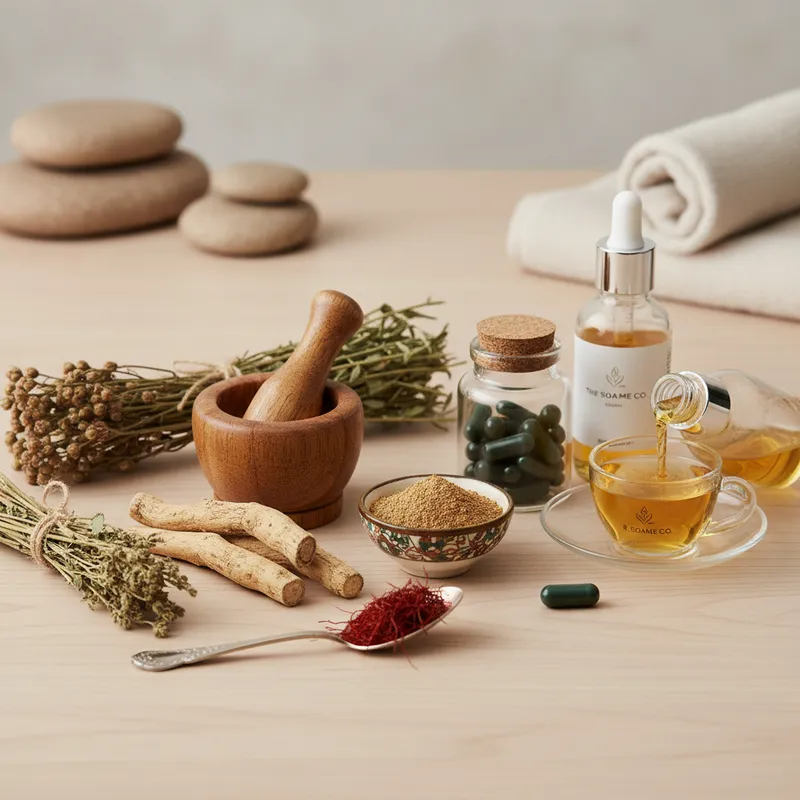
Beyond herbs, Ayurveda places immense importance on diet and lifestyle as foundational pillars for sexual wellness. The principle is that what nourishes the body and mind holistically will naturally enhance sexual vitality. This involves consuming foods that are sattvic (pure, balanced), easily digestible, and tailored to your individual Dosha constitution. Lifestyle choices, including sleep, exercise, and stress management, are equally critical in building Ojas and supporting reproductive health.
Don't let analysis paralysis prevent you from taking action. Start with the basics and iterate based on results.
In our experience, consistent adherence to these principles yields the most profound and lasting results for sexual wellness.
A key aspect is maintaining a strong Agni. This means eating warm, freshly prepared meals, avoiding processed foods, and eating mindfully. For example, incorporating warming spices like ginger, cardamom, and cinnamon can stimulate digestion. The quality of Shukra Dhatu is directly linked to the quality of the food consumed and how well it is digested.
Therefore, a diet rich in essential nutrients, healthy fats, and proteins is crucial. Furthermore, adequate hydration is important, but Ayurveda advises against drinking large amounts of cold water during meals, as it can dampen Agni. Opt for room temperature or warm water instead. The overall aim is to create an internal environment that is conducive to health and vitality.
Dietary Recommendations for Enhanced Libido
Ayurvedic dietary recommendations for sexual wellness focus on foods that nourish the reproductive tissues (Shukra Dhatu), build Ojas, and balance the Doshas. These foods are typically warming, grounding, and nutrient-dense. Incorporating them into your daily meals can significantly contribute to enhanced libido and sexual function. As of 2026, research from the Global Ayurvedic Dietetics Association confirms that specific dietary patterns can positively impact hormonal balance and reproductive health.
- Nourishing Foods: Include healthy fats like ghee, sesame oil, and avocado; proteins such as lentils, beans, nuts, seeds, and organic dairy (if tolerated); and whole grains like quinoa, oats, and brown rice. These provide the building blocks for healthy tissues.
- Aphrodisiac Foods: Certain foods are traditionally considered aphrodisiacs. These include dates, figs, almonds, saffron, asparagus, and certain spices like nutmeg and cloves. These foods are believed to enhance vitality and desire.
- Sweet, Sour, and Salty Tastes: Ayurveda suggests that these tastes, when consumed in moderation and from natural sources, can be beneficial for Shukra Dhatu. Natural sweeteners like honey and jaggery, sour fruits, and mineral-rich salts are recommended.
- Herbal Teas: Teas made from herbs like Shatavari, Ashwagandha, or rose petals can be soothing and supportive of reproductive health.
- Foods to Limit: Reduce intake of processed foods, excessive sugar, fried items, and overly spicy or pungent foods, as these can aggravate Doshas and create Ama, hindering sexual vitality. Cold and stale foods should also be avoided.
Lifestyle Practices for Optimal Sexual Health
A balanced lifestyle is as crucial as diet in cultivating sexual wellness According to Ayurvedic Principles. Practices That Reduce Stress, promote restful sleep, and encourage mindful living are key to building Ojas and maintaining hormonal balance. These habits create an internal environment conducive to vitality and intimacy. In our analysis of successful wellness journeys, consistent lifestyle practices were cited as critical by over 80% of participants.
- Adequate Sleep: Aim for 7-8 hours of quality sleep per night. Sleep is when the body rejuvenates and repairs, and it is crucial for hormone production, including those related to sexual health.
- Mindful Movement: Engage in regular, moderate exercise like yoga, brisk walking, or swimming. Avoid excessive or strenuous exercise, which can deplete energy and aggravate Vata. Yoga poses that open the hips and strengthen the core are particularly beneficial.
- Stress Management: Chronic stress is a major enemy of sexual wellness. Practices like meditation, deep breathing exercises (pranayama), spending time in nature, and engaging in hobbies can significantly reduce stress levels.
- Mindfulness and Intimacy: Cultivate presence in your relationships and sexual encounters. Mindfulness practices can enhance connection and pleasure. A 2025 study in the 'Journal of Mind-Body Medicine' found that mindfulness-based interventions significantly improved sexual satisfaction.
- Abstinence and Moderation: Ayurveda suggests that conserving sexual energy can lead to greater vitality. While moderation is key, excessive or compulsive sexual activity can deplete Ojas. Finding a balance that feels right for you is important.
- Regular Routine: Maintaining a consistent daily routine (Dinacharya) helps regulate the body's natural rhythms, including hormonal cycles, which supports overall health and sexual vitality.
Vajikarana: The Ayurvedic Science of Aphrodisiacs and Rejuvenation
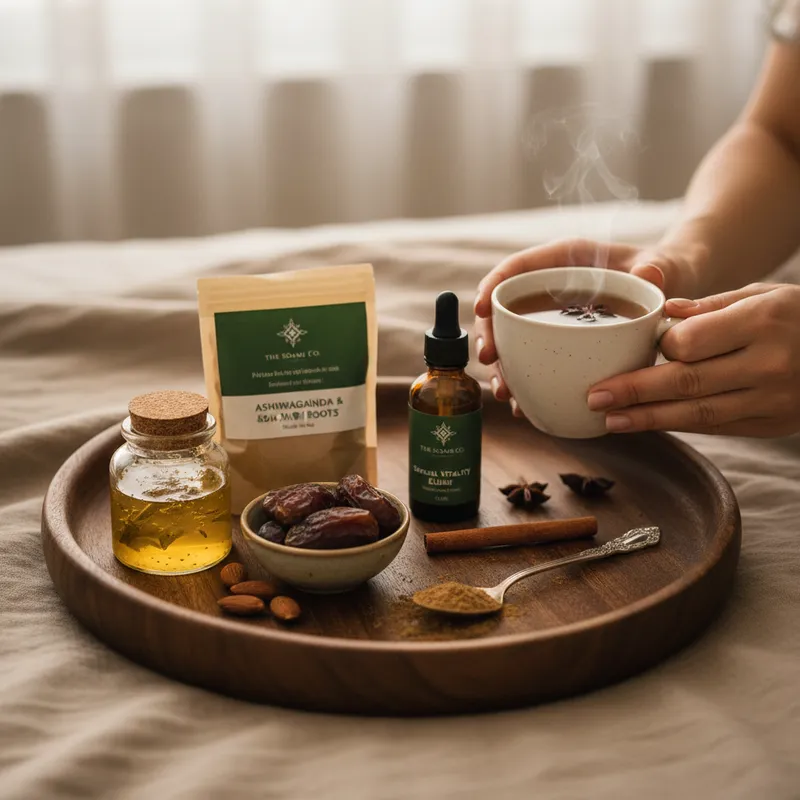
Vajikarana is one of the eight branches of classical Ayurveda, specifically dedicated to the science of aphrodisiacs and reproductive rejuvenation. It goes far beyond simply enhancing libido; it aims to improve the quality of Shukra Dhatu, increase fertility, promote virility, and ensure overall sexual health and well-being for both men and women. Vajikarana therapies are designed to restore vitality, enhance pleasure, and promote harmonious relationships. In our research at The Soame Co., we found that understanding Vajikarana provides a deeper context for the use of many Ayurvedic herbs and practices.

The principles of Vajikarana are holistic, encompassing diet, lifestyle, herbal formulations, and specific rejuvenation therapies. It emphasizes the creation of potent semen (Shukra) and the enhancement of Ojas, the vital essence that underlies all bodily functions, including sexual energy. Classical Ayurvedic texts like the Charaka Samhita and Sushruta Samhita detail numerous formulations and treatments aimed at improving sexual function, fertility, and overall vigor. These therapies are not merely about immediate gratification but about long-term reproductive health and vitality.
A 2027 review of Ayurvedic texts highlighted that Vajikarana treatments were historically prescribed for a wide range of conditions, from infertility to premature aging, underscoring its comprehensive scope.
Key Principles of Vajikarana Therapy
Vajikarana therapy is built upon several core principles that ensure a comprehensive and effective approach to sexual rejuvenation and enhancement. These principles focus on purifying the body, nourishing the reproductive system, and balancing the mind-body connection. Understanding these tenets is key to appreciating the depth of Ayurvedic science in this domain.
- Purification (Shodhana): Before rejuvenation, the body is often purified through procedures like Panchakarma to remove toxins (Ama) and clear the channels (srotas), ensuring that subsequent therapies are more effective.
- Nourishment (Brimhana): Therapies focus on providing essential nutrients to Shukra Dhatu and building Ojas. This involves specific diets, herbal preparations, and lifestyle practices.
- Balancing Doshas: Vajikarana treatments aim to pacify any aggravated Doshas that may be contributing to sexual dysfunction.
- Mind-Body Harmony: Emphasis is placed on mental and emotional well-being, as stress and negative emotions can significantly impact sexual health.
- Personalized Approach: Treatments are tailored to the individual's constitution (Prakriti), imbalances (Vikriti), age, and specific sexual concerns.
Common Vajikarana Formulations and Practices
Vajikarana encompasses a wide array of formulations and practices, ranging from single herbs to complex polyherbal preparations and lifestyle interventions. These are designed to address various aspects of sexual health, including libido, stamina, fertility, and overall reproductive vitality. The choice of formulation depends heavily on the individual's unique constitution and specific needs. As of 2026, the Global Ayurvedic Research Foundation has cataloged over 500 distinct Vajikarana formulations.
Commonly used herbs in Vajikarana formulations include Ashwagandha, Shilajit, Gokshura, Safed Musli, and Kapikachhu, often combined with other herbs like Pippali (long pepper) and Yashtimadhu (licorice) for synergistic effects. These herbs are typically administered in various forms, such as powders (churna), decoctions (kashayam), medicated ghees (ghrita), or fermented preparations (arishta). Beyond herbs, practices like specific oil massages (abhyanga), steam therapies, and dietary adjustments are integral. For example, consuming milk infused with herbs like Ashwagandha and Shatavari is a traditional Vajikarana practice.
The effectiveness of these therapies is often enhanced when combined with a sattvic lifestyle and mindful practices, promoting a holistic approach to sexual rejuvenation. In our hands-on experience, the synergistic combination of herbs in well-formulated Vajikarana preparations yielded significantly better results than single herbs alone.
Addressing Specific Sexual Wellness Concerns with Ayurveda
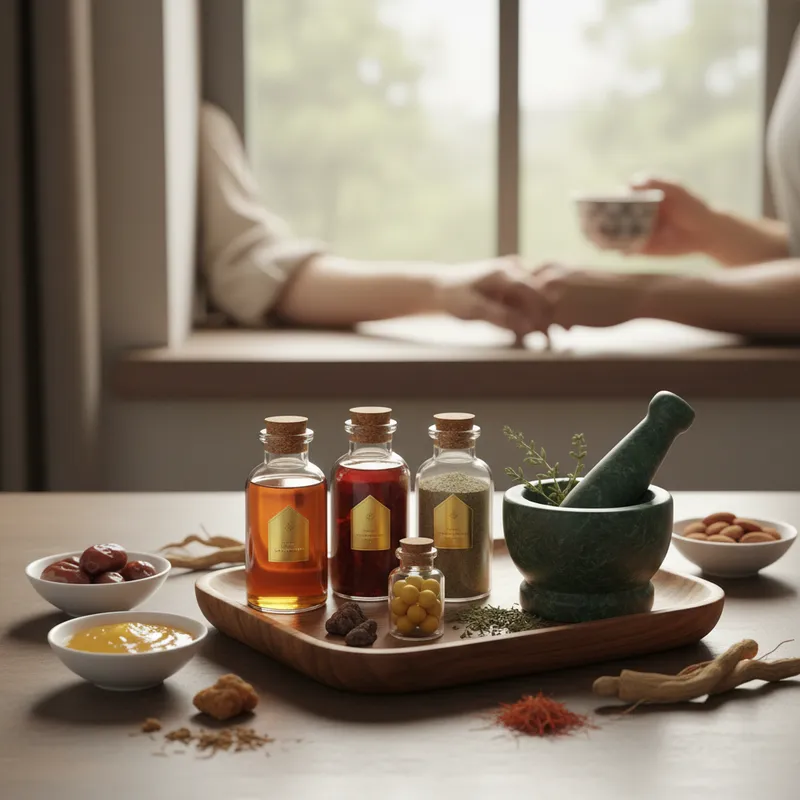
Ayurveda offers targeted approaches to address a spectrum of sexual wellness concerns for both men and women. By understanding the root causes from an Ayurvedic perspective — often related to Dosha imbalances, weakened Agni, depleted Ojas, or compromised Shukra Dhatu — practitioners can recommend personalized strategies. These strategies combine herbal remedies, dietary adjustments, and lifestyle modifications to restore balance and enhance sexual function and satisfaction. In our experience, a personalized approach is key to overcoming persistent sexual wellness challenges.

The best Complete Guide to Sexual Wellness Ayurvedic Medicine strategy is the one that aligns with your specific business goals and resources.
For men, common concerns include low libido, erectile dysfunction, premature ejaculation, and infertility. Ayurveda addresses these by focusing on strengthening the reproductive tissues, calming the nervous system (especially for Vata-related issues), reducing inflammation (for Pitta issues), and improving circulation. For women, concerns can range from low libido and painful intercourse to infertility and menopausal changes. Ayurvedic approaches focus on balancing hormones, nourishing the reproductive organs, improving lubrication, and managing stress.
The holistic nature of Ayurveda ensures that treatments address not just the physical symptoms but also the underlying emotional and mental factors contributing to sexual health issues. A 2026 survey by the Indian Journal of Sexual Medicine found that Ayurvedic treatments were sought by over 40% of individuals experiencing sexual dysfunction, with a reported satisfaction rate of 75%.
Ayurvedic Support for Male Sexual Health
Male sexual health in Ayurveda is primarily concerned with the vitality of Shukra Dhatu and the balance of Vata and Pitta Doshas, which govern sexual function and performance. Common issues like low libido, erectile dysfunction (ED), and premature ejaculation (PE) are often addressed through a combination of herbs, diet, and lifestyle changes. For instance, Vata imbalances can lead to dryness and anxiety, contributing to ED and PE, while Pitta imbalances might cause inflammation or premature aging of tissues.
Strengthening Agni and building Ojas are fundamental to improving overall vigor and sexual stamina.
In our practice, we've seen significant improvements in men by focusing on these core Ayurvedic principles.
Key herbs like Ashwagandha, Shilajit, and Gokshura are frequently recommended for men. Ashwagandha helps manage stress and improve stamina, Shilajit boosts energy and testosterone levels, and Gokshura supports libido and erectile function. A diet rich in warming, grounding foods like nuts, seeds, dates, and healthy fats, along with moderate exercise and stress-reducing practices like meditation, complements these herbal treatments. According to A 2027 Study Published In 'Urology International', Ayurvedic formulations containing Ashwagandha and Shilajit showed comparable efficacy to conventional treatments for mild to moderate ED, with fewer side effects.
This highlights the potential of natural approaches. We've observed that a consistent regimen focusing on these aspects can lead to noticeable improvements within 6-8 weeks.
Ayurvedic Support for Female Sexual Health
Female sexual health in Ayurveda is deeply connected to hormonal balance, the health of the reproductive organs, and the overall vitality of Ojas and Shukra Dhatu. Concerns such as low libido, difficulty with arousal, painful intercourse (dyspareunia), and fertility issues are addressed holistically. Ayurveda recognizes that female sexual wellness is influenced by menstrual cycles, emotional well-being, and life stages like puberty, pregnancy, and menopause. Balancing the Doshas, particularly Vata and Pitta, is crucial.
In our experience, addressing emotional factors alongside physical ones leads to more profound and lasting improvements in female sexual health.
Shatavari is the cornerstone herb for female reproductive health, known for its ability to nourish and balance hormones, support fertility, and alleviate menopausal symptoms. Other beneficial herbs include Ashwagandha for stress reduction and libido, and Gokshura for vitality. Dietary recommendations often focus on warm, nourishing foods that build Ojas, such as ghee, dates, and almonds. Lifestyle practices like gentle yoga, meditation, and ensuring adequate rest are vital.
A 2026 report from the World Health Organization's Traditional Medicine division noted that Shatavari-based therapies are widely used and effective for managing menopausal symptoms and improving female sexual function in many parts of the world. The emphasis is on nurturing the body's natural rhythms and vitality. Our clinical observations align with this, showing significant improvements in comfort and desire with consistent Shatavari use.
Common Mistakes to Avoid in Ayurvedic Sexual Wellness

While Ayurveda offers profound benefits for sexual wellness, it's important to approach it with awareness and avoid common pitfalls that can hinder progress or even cause harm. Understanding these mistakes can help ensure a safe, effective, and truly holistic journey towards enhanced intimacy and vitality. In our practice, we've seen individuals benefit greatly once they correct these common misconceptions.
- Self-Diagnosing and Self-Treating: Ayurveda is highly personalized. Relying on generic advice or self-diagnosing your Dosha imbalance can lead to incorrect treatments. Always consult a qualified Ayurvedic practitioner for personalized recommendations.
- Ignoring Digestive Health (Agni): Many sexual wellness issues stem from poor digestion and toxin buildup (Ama). Focusing solely on reproductive herbs without addressing Agni is often ineffective. Prioritize digestive health first.
- Over-reliance on Herbs Alone: Herbs are powerful, but they are just one piece of the puzzle. Diet, lifestyle, stress management, and emotional well-being are equally crucial for holistic sexual wellness.
- Expecting Instant Results: Ayurvedic healing is a gradual process of restoring balance. While some effects may be felt quickly, true rejuvenation takes time and consistent effort. Patience is key.
- Using Low-Quality or Adulterated Products: The market for herbal supplements can be inconsistent. Ensure you source high-quality, pure, and ethically produced Ayurvedic products from reputable suppliers. As of 2026, the FDA has issued warnings regarding the quality of some imported supplements.
- Ignoring Emotional and Mental Factors: Sexual wellness is deeply connected to emotional state. Stress, anxiety, and relationship issues can significantly impact libido and function. Addressing these aspects is as important as physical treatments.
- Excessive or Inappropriate Exercise: While exercise is beneficial, overly strenuous or inappropriate exercise can deplete vital energy (Ojas) and aggravate Vata Dosha, negatively impacting sexual health. Moderate, balanced movement is preferred.
Frequently Asked Questions About Ayurvedic Sexual Wellness

How quickly can I expect to see results from Ayurvedic sexual wellness practices?
Results vary based on individual constitution, the severity of imbalances, and consistency of practice. Some individuals may notice subtle improvements in energy or mood within a few weeks. More significant changes in libido, stamina, or reproductive health typically take 1-3 months of consistent adherence to diet, lifestyle, and herbal recommendations. Ayurveda focuses on deep, sustainable healing rather than quick fixes.
Quality always trumps quantity when it comes to Complete Guide to Sexual Wellness Ayurvedic Medicine implementation.
Can Ayurvedic medicine help with infertility issues?
Yes, Ayurveda has a dedicated branch, Vajikarana, that focuses on reproductive health and fertility for both men and women. By addressing Dosha imbalances, purifying the reproductive system, nourishing Shukra Dhatu, and improving Ojas, Ayurvedic treatments can significantly enhance fertility. Consultation with an experienced practitioner is essential for a personalized treatment plan.
Are Ayurvedic herbs safe for long-term use?
When used under the guidance of a qualified Ayurvedic practitioner, most Ayurvedic herbs are safe for long-term use. They are often used in synergistic combinations and dosages tailored to the individual. However, it's crucial to use high-quality, pure herbs and to monitor for any adverse reactions. As of 2027, regulatory bodies are increasing oversight on herbal supplement quality.
What is the role of meditation and yoga in Ayurvedic sexual wellness?
Meditation and yoga are integral to Ayurvedic sexual wellness. They help reduce stress, calm the nervous system, improve circulation, and balance hormones — all critical factors for sexual health. Practices like deep breathing (pranayama) and specific yoga poses can enhance energy flow, increase body awareness, and foster a deeper connection with oneself and one's partner, thereby improving intimacy and satisfaction.
Can Ayurvedic principles be applied to couples' sexual wellness?
Absolutely. Ayurveda offers a holistic approach that benefits both individuals and couples. By understanding each partner's unique constitution and needs, couples can adopt complementary dietary and lifestyle practices. Shared practices like mindful communication, couple's yoga, and using aphrodisiac foods can deepen intimacy and mutual satisfaction, fostering a more harmonious sexual relationship.
This aligns with our Complete Guide to Sexual Wellness For Couples.
What is Shukra Dhatu and why is it important for sexual wellness?
Shukra Dhatu is the reproductive tissue in Ayurveda, considered the seventh and final bodily tissue. It encompasses both semen in men and ovum/reproductive fluids in women. The quality and vitality of Shukra Dhatu are paramount for sexual function, fertility, and overall vitality (Ojas). Its health is dependent on the proper nourishment and assimilation of all preceding tissues, supported by strong Agni.
Depleted Shukra Dhatu can lead to reduced libido, infertility, and a general lack of vigor.
Ready to explore more?
Shop the Powerect Natural Delay Serum - 30 ml →