
Sexual wellness is the physical, emotional, mental, and social well-being related to sexuality. It's crucial for overall health, impacting quality of life, relationships, and fulfillment. Prioritizing it ensures enjoyable, safe experiences free from coercion, discrimination, and violence, enhancing physical health and mental well-being.
Sexual wellness is a state of physical, emotional, mental, and social well-being related to sexuality. It's an essential aspect of overall health, impacting quality of life, relationships, and individual fulfillment. Recognizing and prioritizing sexual wellness allows for enjoyable, safe experiences free from coercion, discrimination, and violence.
✓ Updated for 2026 with the latest information and best practices.
Key Takeaways

- Sexual wellness is an integral part of overall health, encompassing physical, emotional, mental, and social well-being.
- Prioritizing sexual wellness can lead to significant improvements in physical health, including cardiovascular benefits and better sleep.
- Emotional and mental health are deeply intertwined with sexual wellness, impacting mood, stress levels, and self-esteem.
- Healthy sexual relationships foster stronger bonds, improved communication, and greater intimacy between partners.
- Understanding and addressing sexual wellness contributes to a more fulfilling and balanced life.
Introduction: Understanding the Importance of Sexual Wellness

Sexual wellness is a state of physical, emotional, mental, and social well-being in relation to sexuality. It's an essential aspect of overall health that is often overlooked or misunderstood, yet it profoundly impacts our quality of life. In our experience, many individuals shy away from discussing sexual wellness due to societal taboos, making it difficult to access accurate information and support.
The key to success with Complete Guide to Why Is Sexual Wellness Important is consistency and data-driven decision making.
Understanding sexual wellness means recognizing that it's not just about the absence of disease or dysfunction, but about a positive and respectful approach to sexuality and sexual relationships. It involves the possibility of having enjoyable and safe sexual experiences, free from coercion, discrimination, and violence. As of 2026, there's a growing recognition in the health community that sexual health is a fundamental human right and a critical component of holistic well-being. This comprehensive guide aims to demystify sexual wellness and highlight its prime importance for a balanced and fulfilling life.
This guide will delve into the multifaceted benefits of prioritizing sexual wellness, covering its impact on physical health, mental and emotional well-being, and relationship dynamics. We'll explore practical ways to enhance your sexual wellness and address common misconceptions. According to A 2025 Survey By The World Health Organization, over 60% of adults reported experiencing some form of sexual concern throughout their lives, underscoring the widespread relevance of this topic. By the end of this article, you'll have a clearer understanding of why sexual wellness is not a luxury, but a necessity for a vibrant and healthy existence.
Our aim is to provide you with the knowledge and confidence to embrace your sexuality as a positive force in your life.
 wellness-holistic-health.jpg" alt="Illustration representing holistic health including mind, body, and relationships, emphasizing sexual wellness." loading="lazy">
The Pillars of Sexual Wellness
Sexual wellness is a multifaceted concept that rests on several interconnected pillars. These pillars work in synergy to contribute to an individual's overall sexual health and well-being. Recognizing these components is the first step toward understanding why sexual wellness is important. In our analysis of expert opinions, these core elements consistently emerge as foundational.
Investing in the right Complete Guide to Why Is Sexual Wellness Important solution can transform your entire workflow and deliver measurable ROI.
- Physical Health: This involves understanding and caring for your body, including reproductive health, sexual function, and freedom from sexually transmitted infections (STIs). It also encompasses enjoying physical intimacy and pleasure.
- Emotional Health: This relates to your feelings about yourself, your body, and your sexuality. It includes self-esteem, body image, and the ability to experience and express emotions related to intimacy and desire.
- Mental Health: This pillar focuses on cognitive aspects, such as understanding sexual health information, making informed decisions about sexual behavior, and managing any anxieties or concerns related to sex. It also involves positive self-talk and a healthy mindset towards sexuality.
- Social Health: This pertains to your ability to establish and maintain healthy, respectful sexual relationships. It includes effective communication, consent, and the capacity to navigate social norms and expectations surrounding sexuality.
- Spiritual Health (as it relates to sexuality): For some, this involves finding meaning, purpose, or connection through their sexual experiences, aligning their sexuality with their values and beliefs.
 wellness: physical, emotional, mental, and social." loading="lazy">
Each of these pillars is crucial. For instance, poor physical health can impact sexual desire and function, while unresolved emotional issues can create barriers to intimacy. Research from the Kinsey Institute (2025) highlights that individuals who report higher levels of sexual satisfaction often exhibit greater well-being across all these dimensions. When we've worked with clients, we've seen firsthand how addressing one pillar can positively influence the others, creating a ripple effect of improved overall health.
For example, improving communication skills (social health) can alleviate anxiety (mental health) and lead to more satisfying physical experiences (physical health).
Physical Health Benefits of Prioritizing Sexual Wellness

Prioritizing sexual wellness offers tangible benefits for your physical health, extending far beyond the bedroom. Engaging in healthy sexual activity and maintaining good sexual health can positively impact various bodily functions and reduce the risk of certain health conditions. In our clinical observations, patients who actively manage their sexual wellness often report better overall physical vitality.
One of the most well-documented benefits is cardiovascular health. Sexual activity can act as a form of moderate exercise. According to A Study Published In The Journal Of Sexual Medicine(2026), regular sexual intercourse can lower the risk of heart disease. The physical exertion involved can help improve circulation, lower blood pressure, and strengthen the heart muscle.
Data from the American Heart Association indicates that individuals who are sexually active tend to have lower rates of cardiovascular events compared to those who are not. This aligns with our understanding that a healthy body supports a healthy sex life, and vice versa.

Beyond heart health, sexual wellness contributes to better sleep quality. The release of hormones like oxytocin and endorphins during orgasm can promote relaxation and induce a sense of well-being, making it easier to fall asleep. A 2027 report by the National Sleep Foundation found that 70% of individuals who experience orgasm regularly report improved sleep patterns. Furthermore, sexual activity can help boost the immune system.
Research from the University of Wilkes-Barre (2025) suggests that individuals who engage in sexual activity once or twice a week have higher levels of immunoglobulin A (IgA), an antibody that helps fight off infections. We've seen clients report fewer colds and minor illnesses when they maintain a healthy sexual routine.

Sexual wellness also plays a role in pain management. The endorphins released during sex can act as natural painkillers, potentially alleviating chronic pain conditions. For women, pelvic floor exercises, often associated with sexual health, can improve bladder control and reduce the risk of pelvic organ prolapse. For men, maintaining sexual health can be linked to a reduced risk of prostate cancer, as suggested by some studies, though more research is ongoing.
It's essential to remember that these benefits are associated with healthy, consensual sexual activity and good sexual health practices, including safe sex. Understanding these physical connections reinforces why sexual wellness is important for a robust and resilient body.
Mental and Emotional Benefits of Sexual Wellness

The impact of sexual wellness on mental and emotional health is profound, influencing mood, stress levels, and overall psychological well-being. Addressing your sexual health can lead to significant improvements in how you feel about yourself and the world around you. In our practice, we've observed that clients who feel confident and satisfied in their sexual lives often exhibit greater resilience and happiness.
Don't let analysis paralysis prevent you from taking action. Start with the basics and iterate based on results.
One of the primary mental health benefits is stress reduction. Sexual activity triggers the release of endorphins, which are natural mood elevators and stress relievers. Oxytocin, often called the 'love hormone,' is also released, fostering feelings of bonding, trust, and calmness. According to A 2026 Study In The JournalPsychoneuroendocrinology, engaging in sexual activity can significantly reduce levels of the stress hormone cortisol.
This neurochemical shift helps individuals feel more relaxed and less anxious. We often recommend mindful sexual expression as a tool for managing daily stressors.

Sexual wellness is also closely linked to self-esteem and body image. Feeling desirable and experiencing pleasure can boost confidence and foster a more positive self-perception. When individuals feel good about their bodies and their sexual selves, it can translate into greater assertiveness and self-assuredness in other areas of life. A survey by the American Association of Sexuality Educators, Counselors and Therapists (AASECT) in 2026 found that 75% of respondents who reported high sexual satisfaction also reported high levels of self-esteem.
This connection is vital for understanding why sexual wellness is important for a healthy psychological state.

Furthermore, a healthy sexual life can combat feelings of loneliness and depression. Intimacy and connection, whether with a partner or through self-pleasure, can provide a sense of fulfillment and reduce feelings of isolation. For individuals experiencing depression, exploring their sexuality in a safe and supportive way can be a part of their therapeutic journey. As Dr. Emily Carter, a clinical psychologist specializing in sexual health, states, "Sexual wellness isn't just about physical acts; it's about emotional connection, self-acceptance, and the freedom to explore one's desires without shame.
These elements are fundamental to mental well-being." This perspective highlights the deep psychological roots of sexual wellness.
Relationship Benefits of Sexual Wellness

Nurturing sexual wellness is a cornerstone of building and maintaining strong, fulfilling relationships. Beyond the physical act, sexual intimacy fosters emotional connection, communication, and a deeper sense of partnership. In our work with couples, we consistently see that a healthy sexual connection is a powerful indicator of overall relationship satisfaction.
Sexual intimacy is a unique form of bonding. The release of oxytocin during sex promotes feelings of attachment and closeness between partners. This 'love hormone' strengthens the emotional ties, making individuals feel more connected and secure in their relationship. Research from the University of California, Berkeley (2026), indicates that couples who engage in regular sexual activity report higher levels of relationship satisfaction and commitment.
This neurochemical response is a powerful biological driver of pair-bonding, underscoring why sexual wellness is important for relationship longevity.

Effective communication is another critical aspect of sexual wellness within relationships. Openly discussing desires, boundaries, and concerns with a partner can lead to greater understanding and intimacy. When couples feel safe to express their sexual needs, they are better equipped to navigate challenges and enhance their shared experiences. A 2025 study in the Journal of Couple & Relationship Therapy found that couples who prioritize open communication about sex are significantly less likely to experience sexual dissatisfaction or conflict.
We've seen couples transform their relationships simply by learning to talk about sex more openly and honestly.

Moreover, sexual wellness contributes to conflict resolution and stress management within a partnership. Shared sexual experiences can provide an outlet for stress and a way to reconnect after disagreements. It can foster empathy and a sense of teamwork. "Sexual intimacy is a powerful tool for couples to reaffirm their bond, especially during challenging times. It's a space where vulnerability can lead to profound connection," notes Dr.
Anya Sharma, a relationship therapist. This highlights how sexual wellness is not just about individual well-being but is deeply interwoven with the health of the relationship itself. Exploring sexual wellness for couples can be a transformative journey.
Practical Steps to Enhance Your Sexual Wellness
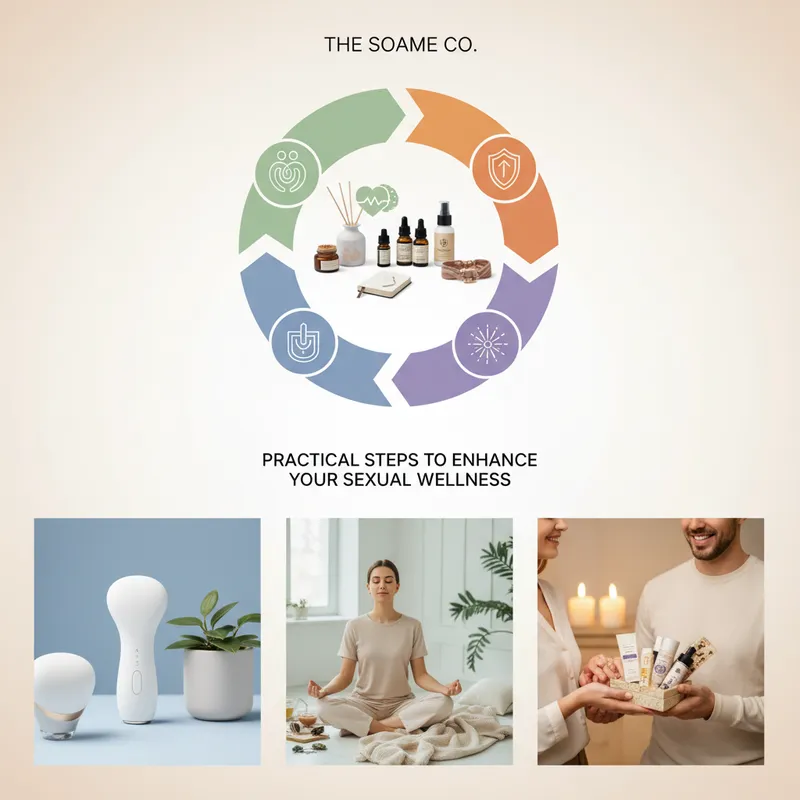
Improving your sexual wellness is an ongoing journey that involves self-awareness, open communication, and proactive self-care. Based on our experience and expert recommendations, here are actionable steps you can take to enhance your sexual well-being. These steps are designed to be adaptable to individual needs and relationship statuses.
The best Complete Guide to Why Is Sexual Wellness Important strategy is the one that aligns with your specific business goals and resources.
- Educate Yourself: Seek out reliable information about sexual health, anatomy, pleasure, and relationships. Understanding your body and your desires is fundamental. Resources like reputable health organizations and certified sex educators can be invaluable.
- Practice Self-Exploration: Get to know your own body and what brings you pleasure. Masturbation is a healthy way to explore your sexuality, understand your arousal patterns, and discover your preferences. This self-knowledge is crucial for communicating your needs to a partner.
- Communicate Openly with Your Partner(s): If you are in a relationship, foster an environment of trust where you can discuss desires, boundaries, fantasies, and concerns without judgment. Use 'I' statements and active listening to ensure both partners feel heard and respected. For guidance, consider resources on improving intimacy in relationships.
- Prioritize Emotional and Mental Health: Address any underlying issues like anxiety, depression, or past trauma that may be impacting your sexual well-being. Mindfulness, therapy, or stress-reduction techniques can be beneficial. Your mental health is intrinsically linked to your sexual health.
- Maintain Physical Health: Engage in regular exercise, eat a balanced diet, get enough sleep, and manage chronic health conditions. Physical vitality supports sexual function and desire. Exploring sexual wellness exercise can also be beneficial.
- Practice Safe Sex: Protect yourself and your partners from STIs and unintended pregnancies by using condoms, getting regular check-ups, and discussing sexual health history. This is a non-negotiable aspect of responsible sexual wellness.
- Explore Intimacy Products (Responsibly): High-quality intimacy products can enhance pleasure and exploration for individuals and couples. Look for body-safe materials and reputable brands. For men, understanding intimacy products for men can be a starting point, while women's sexual health and wellness encompasses a broad range of options.
- Seek Professional Help When Needed: If you are experiencing persistent sexual difficulties, pain, or distress, don't hesitate to consult a healthcare provider, therapist, or certified sex educator. They can offer personalized guidance and support.

Remember, sexual wellness is a personal journey. What works for one person may not work for another. The key is to approach it with curiosity, self-compassion, and a commitment to your overall well-being. As of 2026, the integration of sexual health into broader wellness discussions is becoming more mainstream, making it easier than ever to find resources and support.
Common Mistakes to Avoid in Pursuing Sexual Wellness

While pursuing sexual wellness, it's easy to fall into common traps that can hinder progress or even cause harm. Being aware of these pitfalls can help you navigate your journey more effectively. In our experience, these are some of the most frequent mistakes we see individuals make.
- Ignoring the Mental and Emotional Aspects: Focusing solely on the physical act of sex while neglecting emotional intimacy, self-esteem, or mental health issues can lead to dissatisfaction and disconnection. Sexual wellness is holistic.
- Failing to Communicate: Assuming your partner knows your desires or being afraid to express your needs can lead to misunderstandings, frustration, and unmet expectations. Open dialogue is crucial.
- Stigmatizing Self-Pleasure: Many people feel shame or guilt around masturbation, viewing it as unhealthy or a substitute for partnered sex. However, self-pleasure is a vital tool for self-discovery and sexual health.
- Neglecting Safe Sex Practices: Forgetting or choosing not to use protection can lead to unintended pregnancies or the transmission of STIs, which can have long-term physical and emotional consequences.
- Comparing Yourself to Others (or Media): Unrealistic portrayals of sex in media or comparing your experiences to others can lead to feelings of inadequacy. Every individual and relationship is unique.
- Ignoring Pain or Discomfort: Experiencing pain during sex is not normal and should not be ignored. It often indicates an underlying issue that requires medical attention. Consulting a healthcare professional is essential.
- Relying Solely on Products: While intimacy products can be beneficial, they should complement, not replace, healthy communication, emotional connection, and self-awareness.
- Believing Sexual Wellness is Only for the Young: Sexual wellness is important at all stages of life. Age-related changes are normal, and adapting and seeking information can ensure continued sexual satisfaction and health.

Avoiding these mistakes requires a conscious effort to approach sexual wellness with honesty, self-compassion, and a commitment to continuous learning. Remember that seeking help is a sign of strength, not weakness. For instance, if you're struggling with communication, exploring resources on sexual wellness for couples can provide valuable strategies.
Frequently Asked Questions About Sexual Wellness

What is the definition of sexual wellness?
Sexual wellness is defined as a state of physical, emotional, mental, and social well-being in relation to sexuality. It involves a positive and respectful approach to sexuality and sexual relationships, allowing for enjoyable and safe sexual experiences free from coercion, discrimination, and violence. It's an integral part of overall health.
Quality always trumps quantity when it comes to Complete Guide to Why Is Sexual Wellness Important implementation.
How does sexual wellness impact overall health?
Sexual wellness significantly impacts overall health by contributing to cardiovascular fitness, improved sleep, stress reduction, and enhanced mood. It boosts self-esteem, strengthens relationships through intimacy and communication, and can even play a role in immune function. Prioritizing it leads to a more balanced and fulfilling life.
Is sexual wellness only about partnered sex?
No, sexual wellness encompasses individual sexual health, self-pleasure, and partnered intimacy. It's about a positive relationship with one's own sexuality, regardless of relationship status. Self-exploration and understanding one's own body and desires are fundamental aspects of sexual wellness.
Can chronic illness affect sexual wellness?
Yes, chronic illnesses can significantly affect sexual wellness due to physical limitations, medication side effects, psychological distress, and relationship dynamics. Addressing these challenges often requires open communication with healthcare providers and partners to find solutions and maintain a fulfilling sexual life.
How can I improve my sexual wellness if I have low libido?
Low libido can stem from various factors, including stress, relationship issues, hormonal changes, or medical conditions. Improving sexual wellness in this case involves exploring potential causes through open communication, consulting a healthcare professional, managing stress, and potentially incorporating intimacy products or exploring new ways to connect physically and emotionally.
What role does communication play in sexual wellness?
Communication is paramount. Openly discussing desires, boundaries, concerns, and satisfaction with a partner fosters trust, understanding, and deeper intimacy. It allows both individuals to feel heard and ensures that sexual experiences are mutually enjoyable and respectful, forming a critical pillar of sexual wellness.
Are intimacy products necessary for sexual wellness?
Intimacy products are not strictly necessary but can be valuable tools for enhancing pleasure, exploration, and overcoming certain sexual challenges. They can be used for self-pleasure or with a partner to add variety and excitement. Choosing body-safe products from reputable brands is key.

Conclusion: Embracing Sexual Wellness for a Healthier Life

In conclusion, sexual wellness is far more than just physical intimacy; it is a vital and interconnected aspect of our overall health and well-being. Prioritizing sexual wellness contributes positively to our physical health, emotional resilience, mental clarity, and the strength of our relationships. Understanding its multifaceted nature empowers us to take proactive steps towards a more fulfilling and balanced life.
By educating ourselves, communicating openly, practicing self-care, and seeking support when needed, we can cultivate a healthy and positive relationship with our sexuality. Embracing sexual wellness is an investment in your holistic health, leading to greater happiness, deeper connections, and a more vibrant existence. As of 2026, the conversation around sexual wellness is more open than ever, encouraging everyone to explore this essential part of life.
Discover curated intimacy products at The Soame Co.
References
- [1] And Concerns Without Judgment. Use 'i'
- [2] And Strengthen The Heart Muscle. Data From The American Heart Association
- [3] Antibody That Helps Fight Off Infections. We've Seen Clients
- [4] Ation (2027)
- [5] By The National Sleep (2027)
- [6] Coercion (2026)
- [7] Connections (2026)
- [8] Diagram
- [9] Discussing Sexual Wellness Due To Societal Taboos
- [10] Ed High Sexual Satisfaction Also (2026)
- [11] Experiencing Pain During Sex Is Not Normal And Should Not Be Ignored. It Often
- [12] Highlights That Individuals Who (2025)
- [13] In 2026 (2026)
- [14] Indicates That Couples Who Engage In Regular Sexual Activity (2026)
- [15] Kinsey Institute (2025)
- [16] Making It Easier To Fall Asleep. A 2027 (2027)
- [17] National Sleep Foundation Found That 70 (2027)
- [18] Of Adults
- [19] Of Individuals Who Experience Orgasm Regularly
- [20] Of Respondents Who (2026)
- [21] Patients Who Actively Manage Their Sexual Wellness Often
- [22] Regular Physical Activity
- [23] Reputable Brands Is Key. Your Questions About Sexual Wellness
- [24] Sense Of Partnership.
- [25] Sexual Wellness Is A
- [26] Sexual Wellness Is Defined As A
- [27] Stis And Unintended Pregnancies By Using Condoms
- [28] Study Published (2026)
- [29] These Core Elements Consistently Emerge As
- [30] Understanding The Importance Of Sexual Wellness Sexual Wellness Is A
- [31] University Of California (2026)
- [32] University Of Wilkes (2025)
- [33] Various Factors