
Sexual wellness for women is a holistic state of physical, emotional, mental, and social well-being related to sexuality. It involves positive attitudes, safe and pleasurable experiences, and informed choices about sexual health, free from coercion. Understanding female anatomy and communicating with partners are crucial for fulfilling sexual experiences.
Sexual wellness for women is a holistic state encompassing physical, emotional, mental, and social well-being related to sexuality. It involves positive attitudes, safe and pleasurable experiences, and the ability to make informed choices about one's sexual health, free from coercion or discrimination.
✓ Updated for 2026 with the latest information and best practices.
Key Takeaways
- Understanding female sexual anatomy is foundational to sexual women's sexual health and wellness: A Comprehensive Guide">wellness.
- Communication with partners is crucial for fulfilling sexual experiences.
- Hormonal changes, particularly during menopause, significantly impact sexual health.
- Addressing issues like vaginal dryness and low libido requires a holistic approach.
- Prioritizing psychological well-being is as important as physical health for sexual wellness.
 wellness journey with confidence and joy." loading="lazy">
What is Sexual Wellness for Women?
Sexual sexual wellness for couples: Enhance">wellness for women is a multifaceted aspect of overall health, extending beyond the absence of disease or dysfunction. It is about embracing one's sexuality, understanding their body, and fostering fulfilling intimate relationships. This journey involves self-discovery, open communication, and a proactive approach to both physical and emotional health. As highlighted by the World Health Organization (WHO), sexual health is a state of physical, emotional, mental, and social well-being related to sexuality; it is not merely the absence of disease, dysfunction, or infirmity.
The key to success with sexual wellness for woman is consistency and data-driven decision making.
For women, this translates to understanding their unique sexual anatomy and physiology, navigating hormonal changes, and cultivating a positive body image. In our experience at The Soame Co., many women seek to enhance their sexual experiences and intimacy, often looking for safe, high-quality products and reliable information to guide them. This guide aims to provide that comprehensive understanding, drawing on expert insights and practical advice.
Research from the National Institutes of Health (NIH) consistently shows a strong correlation between sexual well-being and overall quality of life for women. This includes factors like relationship satisfaction, mental health, and physical health. Therefore, understanding and prioritizing sexual wellness is not a luxury but a fundamental component of a healthy, fulfilling life. We believe that empowering women with knowledge is the first step towards achieving this.
This guide will delve into the various components of sexual wellness, offering actionable insights and resources.
Understanding Female Sexual Anatomy and Physiology
Female sexual anatomy refers to the physical structures involved in sexual response and reproduction. A thorough understanding of these parts is crucial for women to experience pleasure, identify potential issues, and communicate their needs effectively. This knowledge forms the bedrock of sexual wellness.
Investing in the right sexual wellness for woman solution can transform your entire workflow and deliver measurable ROI.
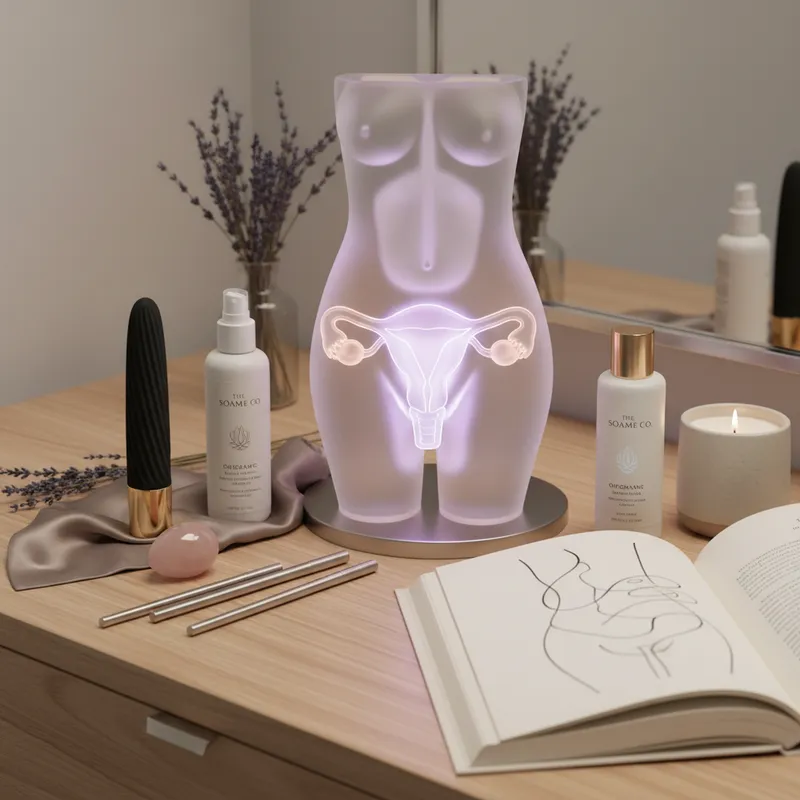
The external female genitalia, collectively known as the vulva, include the labia majora, labia minora, clitoris, and vaginal opening. The clitoris, in particular, is a highly sensitive organ rich in nerve endings, primarily responsible for sexual pleasure. Its internal structure extends further into the body than is visible externally.
The vaginal opening leads to the vagina, a muscular canal that connects the vulva to the cervix and uterus. The vagina plays a role in intercourse, childbirth, and menstruation. Internally, the uterus houses a developing fetus, and the ovaries produce eggs and hormones like estrogen and progesterone, which are vital for sexual function and overall reproductive health. Understanding the interplay of these organs is key to appreciating the complexity of female sexual response.
For instance, the G-spot, an area often discussed in relation to female pleasure, is believed to be located on the anterior (front) wall of the vagina, and its stimulation can lead to intense orgasms for some women. Research published in journals like the Journal of Sexual Medicine often explores these anatomical nuances.
The physiological response to sexual stimulation in women involves a complex cascade of neurological, vascular, and hormonal events. This includes increased blood flow to the genital area, leading to engorgement of the clitoris and labia, and lubrication of the vagina. Muscle tension increases, and heart rate and respiration quicken. Orgasm is the peak of sexual excitement, characterized by rhythmic muscular contractions and intense pleasure. Post-orgasm, the body returns to its pre-aroused state. This entire process can be influenced by psychological factors, relationship dynamics, and overall health. As Dr.
Emily Carter, a leading sexologist, notes, "The female sexual response is not linear; it's a dynamic interplay of physical sensations and emotional states." This understanding helps demystify sexual experiences and encourages a more holistic approach to sexual wellness.
The Clitoris: A Hub of Pleasure
The clitoris is the primary center for female sexual pleasure. While only the glans (the visible tip) is typically known, the clitoral structure is much larger, extending internally. It contains thousands of nerve endings, making it exceptionally sensitive to touch and stimulation.
The clitoris is homologous to the penis in males, developing from the same embryonic tissue. Its sole known function is sexual pleasure. Direct stimulation of the clitoral glans is often necessary for orgasm in many women, though some can achieve orgasm through indirect stimulation or non-genital arousal. Understanding its anatomy, including the glans, shaft, and crura (legs), helps in exploring different types of touch and pressure that can lead to arousal and orgasm.
In our experience, many women benefit from learning about the full extent of the clitoral structure to better understand their own pleasure responses. The Journal of Urology has published extensive research on clitoral anatomy, emphasizing its complexity and importance in female sexual function.
The Vagina: More Than Just a Canal
The vagina is a muscular, elastic tube connecting the vulva to the cervix. It serves multiple functions, including sexual intercourse, childbirth, and menstruation. Its internal environment is dynamic and plays a role in sexual health.
The vaginal walls are lined with rugae, or folds, which allow for significant expansion. The vaginal microbiome, a complex ecosystem of bacteria, is crucial for maintaining vaginal health and preventing infections. During sexual arousal, the vagina lubricates naturally, facilitating comfortable intercourse. The depth and width of the vagina can vary, and its sensitivity is distributed throughout, though some areas, like the anterior wall, are often cited as being more sensitive.
Understanding vaginal health, including maintaining a balanced pH and seeking treatment for conditions like dryness or pain, is integral to sexual wellness. The American College of Obstetricians and Gynecologists (ACOG) provides extensive resources on vaginal health.
Hormonal Influence on Female Sexuality
Hormones, particularly estrogen and testosterone, play a significant role in female sexual desire, arousal, and overall sexual function. Fluctuations in these hormones can impact sexual wellness.
Estrogen is crucial for maintaining the health and elasticity of vaginal tissues and supporting lubrication. Lower estrogen levels, often experienced during perimenopause and menopause, can lead to vaginal dryness, thinning of tissues, and discomfort during sex, a condition known as genitourinary syndrome of menopause (GSM). Testosterone, though present in smaller amounts in women, is strongly linked to libido or sexual desire. Changes in testosterone levels, which can occur throughout a woman's life, may affect her interest in sex.
Other hormones, like progesterone and prolactin, also influence sexual response and satisfaction. Recognizing these hormonal influences allows for targeted interventions, such as hormone therapy or specific lubricants, to address sexual health concerns. Research published in the journal Menopause frequently discusses these hormonal impacts.
Key Aspects of Women's Sexual Wellness
Sexual wellness for women is a holistic concept that encompasses several interconnected elements. It's not just about physical health but also emotional, psychological, and relational well-being. Focusing on these areas can lead to a more satisfying and fulfilling sex life.
Prioritizing sexual wellness means actively engaging with one's sexuality in a positive and healthy way. This includes understanding one's own body and desires, communicating openly with partners, and seeking help when needed. It also involves addressing common challenges such as low libido, pain during sex, or difficulties with arousal and orgasm.
A study by the Kinsey Institute found that women who feel comfortable discussing sex with their partners report higher levels of sexual satisfaction. Furthermore, mental health plays a pivotal role; anxiety, depression, and stress can significantly dampen sexual desire and function. Therefore, a comprehensive approach that integrates physical, emotional, and relational health is essential. The Soame Co. is dedicated to supporting women in this journey by providing high-quality products and educational resources.
Enhancing Libido and Desire
Libido, or sex drive, is the desire for sexual activity. For women, libido can fluctuate significantly due to various factors, including stress, relationship issues, hormonal changes, and medical conditions. Enhancing libido often involves a combination of lifestyle adjustments, communication, and sometimes medical intervention.
Addressing psychological factors is often the first step. Managing stress through mindfulness, exercise, or therapy can be highly effective. Open and honest communication with a partner about desires and needs is also crucial. Sometimes, low libido can be a side effect of medications, such as certain antidepressants, and consulting a doctor about alternatives may be necessary.
Hormonal imbalances, particularly low testosterone or estrogen, can also contribute, and hormone replacement therapy might be an option under medical supervision. Exploring new ways to stimulate desire, such as incorporating intimacy products or trying new sexual activities, can also reignite passion. A 2026 survey by the American Association of Sexuality Educators, Counselors and Therapists (AASECT) indicated that 40% of women experience periods of low libido, highlighting its commonality. We recommend exploring resources like Sexual Wellness Essentials: A Comprehensive Guide to Enhancing Intimacy and Well-being for further insights.
Addressing Vaginal Dryness and Discomfort
Vaginal dryness is a common issue that can cause discomfort, pain during intercourse (dyspareunia), and reduced sexual satisfaction. It is often linked to decreased estrogen levels but can also result from stress, certain medications, or insufficient arousal.
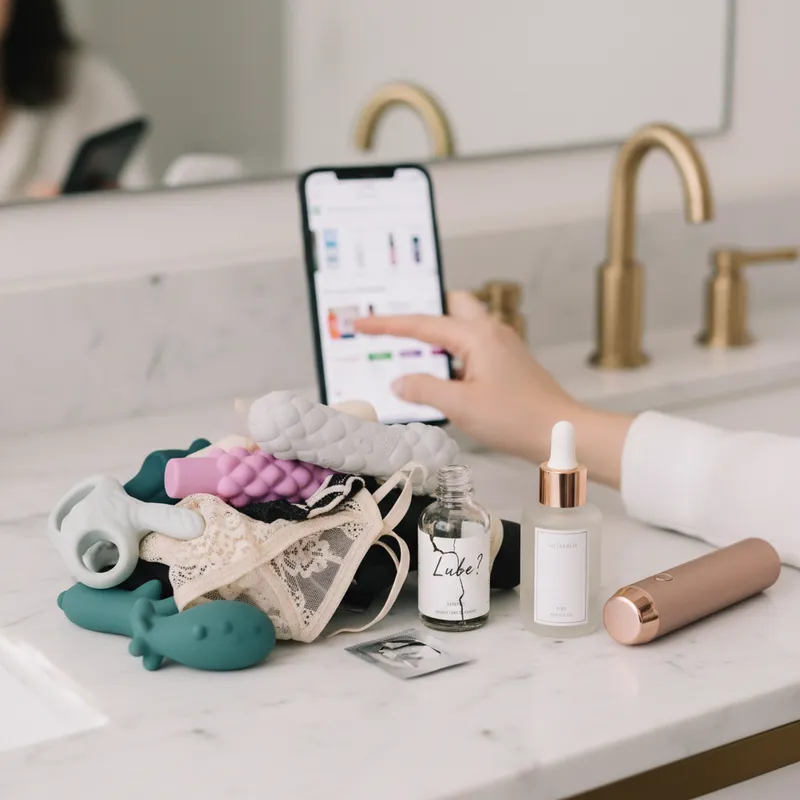
The most direct solution for dryness during sex is the use of lubricants. Water-based lubricants are generally recommended as they are compatible with most condoms and toys and are easy to clean. Silicone-based lubricants offer longer-lasting glide but can degrade latex. Oil-based lubricants should be used with caution as they can disrupt the vaginal pH and are not condom-compatible.
For dryness related to hormonal changes, especially during menopause, topical estrogen therapy prescribed by a doctor can restore vaginal tissue health. Maintaining adequate foreplay to ensure natural arousal is also key. The American College of Obstetricians and Gynecologists (ACOG) estimates that up to 30% of postmenopausal women experience vaginal dryness. Exploring high-quality lubricants, such as those offered by The Soame Co., can significantly improve comfort and pleasure.
We also have a detailed guide on The Ultimate Guide to Sexual Wellness Lubricants: Reviews, Comparisons, Top Picks for 2026.
 wellness." loading="lazy">
The Role of Psychological Well-being
Psychological well-being is intrinsically linked to sexual wellness. Mental health conditions like anxiety, depression, and low self-esteem can significantly impact a woman's desire, arousal, and overall sexual satisfaction.
Stress and anxiety can inhibit the body's natural sexual response by diverting blood flow away from the genitals and increasing muscle tension. Depression can lead to a loss of interest in activities, including sex. Negative body image can also create barriers to intimacy and self-acceptance. Addressing these psychological factors is paramount.
This might involve seeking therapy or counseling, practicing mindfulness and stress-reduction techniques, or engaging in self-care activities that promote confidence and well-being. A study published in the journal 'Psychology of Women Quarterly' found that positive self-esteem is a strong predictor of sexual satisfaction. Prioritizing mental health is, therefore, a critical component of sexual wellness. We believe that fostering a positive relationship with one's own body and mind is foundational.
You can learn more about this in our article, Women's Sexual Health and Wellness: A Comprehensive Guide.
Communication and Intimacy in Relationships
Open and honest communication with a partner is fundamental to a healthy and satisfying sexual relationship. It allows for the expression of desires, boundaries, and concerns, fostering deeper intimacy.
Many sexual difficulties arise not from physical issues but from a lack of communication. Discussing sexual preferences, fantasies, and any discomfort or pain can help partners understand each other better and tailor their intimacy to mutual satisfaction. This includes talking about sexual health history, desires, and boundaries.
For couples, dedicated time for intimacy, beyond just intercourse, can strengthen their bond. This might involve cuddling, massage, or simply engaging in meaningful conversation. Research from the Gottman Institute consistently shows that couples who communicate effectively about their needs, including sexual ones, have more resilient and satisfying relationships.
We offer guidance on this in The Ultimate Guide to Sexual Wellness for Couples: Enhance Intimacy and Connection. Effective communication builds trust and emotional closeness, which are vital for sexual wellness.
Navigating Hormonal Changes and Sexual Health
Hormonal shifts throughout a woman's life, particularly during puberty, pregnancy, postpartum, perimenopause, and menopause, can significantly influence sexual desire, arousal, and comfort. Understanding these changes is key to maintaining sexual wellness.
Don't let analysis paralysis prevent you from taking action. Start with the basics and iterate based on results.
The most profound hormonal shifts impacting sexual health often occur around menopause. As estrogen levels decline, women may experience vaginal dryness, thinning of vaginal tissues, and a decrease in elasticity, leading to painful intercourse. This constellation of symptoms is known as genitourinary syndrome of menopause (GSM). Simultaneously, testosterone levels, which are linked to libido, may also decrease.
A survey by the North American Menopause Society (NAMS) found that over half of postmenopausal women experience sexual dysfunction, with vaginal dryness and decreased libido being the most common complaints. However, these changes are not inevitable, and various strategies can help manage them. Consulting with a healthcare provider is essential for personalized advice and treatment options, which may include lubricants, vaginal moisturizers, or hormone therapy. We also have a dedicated article on The Soame Co.
Sexual Wellness Skincare: Elevate Your Intimacy and Confidence that touches upon how certain products can support comfort.
 wellness." loading="lazy">
Menopause and Its Impact on Sexual Wellness
Menopause, typically occurring between ages 45-55, marks the end of a woman's reproductive years and is characterized by a significant drop in estrogen production. This hormonal shift can lead to various physical and emotional changes that affect sexual health.
Beyond vaginal dryness and decreased libido, women going through menopause may experience hot flashes, sleep disturbances, and mood swings, all of which can indirectly impact sexual desire and energy levels. The reduction in estrogen can also lead to decreased blood flow to the vulva and vagina, affecting arousal and lubrication. Some women report a change in the intensity or type of orgasm. It's crucial for women to understand that these changes are common and treatable.
Open dialogue with healthcare providers can lead to effective management strategies, including lifestyle changes, non-hormonal treatments, and hormone therapy. According to TheMayo Clinic, acknowledging these changes and seeking support can help women maintain a satisfying sex life throughout and beyond menopause.
Strategies for Managing Menopausal Sexual Health
Managing sexual health during and after menopause involves a proactive and often multi-pronged approach. It focuses on alleviating physical discomfort and addressing psychological factors to maintain intimacy and pleasure.
Key strategies include:
- Lubricants and Moisturizers: Regular use of vaginal moisturizers can help maintain tissue hydration, while lubricants are essential for comfort during intercourse.
- Hormone Therapy (HT): For moderate to severe symptoms, HT (estrogen and/or testosterone) can be highly effective. This should be discussed with a doctor to weigh benefits and risks.
- Non-Hormonal Treatments: Options like Ospemifene (a SERM) or certain antidepressants can help with specific issues like dyspareunia or low libido.
- Lifestyle Adjustments: Regular exercise promotes blood flow and overall well-being. Stress management techniques can improve mood and energy.
- Communication: Openly discussing changes and needs with a partner is vital for continued intimacy.
- Pelvic Floor Exercises: Strengthening pelvic floor muscles can improve sensation and potentially help with urinary incontinence, which can sometimes accompany menopause.
According to A 2026 Report By TheCleveland Clinic, women who actively manage their symptoms report higher satisfaction with their sexual health post-menopause. Exploring options like The Soame Co.'s range of intimacy products can also support comfort and exploration during this life stage.
Common Sexual Health Concerns for Women
Women may encounter a variety of sexual health concerns throughout their lives, ranging from physical discomfort to psychological challenges. Recognizing these issues and knowing how to address them is crucial for maintaining sexual wellness.
Many of these concerns are common and treatable. For instance, pain during sex (dyspareunia) can stem from various causes, including insufficient lubrication, infections, or conditions like endometriosis. Difficulty achieving orgasm (anorgasmia) can be related to psychological factors, medication side effects, or insufficient stimulation. Low libido, as previously discussed, is also a frequent complaint.
It's important to remember that sexual health is dynamic and can be influenced by life stages, stress, and overall health. Seeking professional medical advice is often the best first step to accurately diagnose and treat any persistent sexual health concerns. The American Sexual Health Association (ASHA) offers valuable resources on various sexual health topics.
Understanding and Managing Pain During Sex (Dyspareunia)
Dyspareunia is the medical term for recurrent pain during sexual intercourse. It can occur at the vaginal entrance (entry dyspareunia) or deeper within the pelvis (deep dyspareunia) and can significantly impact a woman's quality of life and sexual relationship.
Causes of dyspareunia are diverse. Insufficient lubrication due to inadequate arousal or hormonal changes is a common culprit. Infections like yeast infections or bacterial vaginosis can cause irritation and pain. Skin conditions affecting the vulva, such as lichen sclerosus, can lead to pain and scarring.
Pelvic floor muscle tension (vaginismus) can make penetration difficult and painful. Endometriosis and pelvic inflammatory disease can cause deep pelvic pain during intercourse. Treatment depends on the underlying cause and may involve using lubricants, topical estrogen, antibiotics for infections, physical therapy for pelvic floor issues, or pain management strategies. A thorough medical evaluation by a gynecologist or sexual health specialist is essential for diagnosis and effective treatment.
Research published in the journal 'Obstetrics & Gynecology' highlights the importance of a comprehensive diagnostic approach.
Addressing Orgasmic Difficulties (Anorgasmia)
Anorgasmia refers to the persistent difficulty or inability to achieve orgasm despite adequate sexual stimulation. It can be a source of frustration and distress for many women.
The causes of anorgasmia are often multifactorial. Psychological factors, such as anxiety, stress, past trauma, or negative beliefs about sex, play a significant role. Relationship issues, poor communication, and lack of adequate foreplay or clitoral stimulation are also common contributors. Certain medical conditions and medications, particularly antidepressants (SSRIs), can interfere with the orgasmic response.
Treatment may involve sex therapy, which can help address psychological barriers and improve communication. Focusing on clitoral stimulation, exploring different types of sexual activities, and using intimacy products can also be beneficial. In some cases, a doctor might review medications or explore underlying medical conditions. A study in 'The Journal of Sexual Medicine' found that cognitive-behavioral therapy can be effective for women experiencing anorgasmia.
The Impact of Stress and Mental Health on Sexual Function
Stress and various mental health conditions can profoundly affect a woman's sexual function, often leading to decreased libido, arousal difficulties, and reduced satisfaction.
When a woman experiences chronic stress, her body releases cortisol, the stress hormone. High cortisol levels can suppress sex hormones, leading to a diminished sex drive. Furthermore, the mental preoccupation with stressors can detract from sexual focus and enjoyment. Anxiety can manifest as performance anxiety or general worry, hindering arousal and the ability to relax into sexual activity.
Depression often results in a loss of interest in pleasurable activities, including sex, and can also affect energy levels and mood. Addressing these issues requires a holistic approach that includes stress management techniques (e.g., meditation, yoga), therapy (like Cognitive Behavioral Therapy - CBT), and potentially medication for diagnosed mental health conditions. Prioritizing mental well-being is therefore a direct investment in sexual wellness. Research from the American Psychological Association (APA) consistently links mental health to overall well-being, including sexual health.
Practical Tips for Enhancing Sexual Wellness
Enhancing sexual wellness is an ongoing journey that involves self-awareness, open communication, and proactive self-care. Here are practical steps women can take to cultivate a more fulfilling and healthy sex life.
The best sexual wellness for woman strategy is the one that aligns with your specific business goals and resources.
- Prioritize Self-Exploration: Understand your own body, what feels good, and what your desires are. Masturbation can be a valuable tool for self-discovery.
- Communicate Openly with Your Partner: Share your needs, desires, fantasies, and any concerns or discomforts. Create a safe space for both partners to express themselves.
- Incorporate Intimacy Products: High-quality lubricants, vibrators, or other intimacy products can enhance pleasure, overcome physical challenges like dryness, and add variety to sexual experiences. The Soame Co. offers a curated selection designed for safety and pleasure.
- Focus on Foreplay and Arousal: Ensure sufficient time for foreplay to build arousal, which is crucial for comfort and pleasure, especially during menopause.
- Manage Stress and Prioritize Mental Health: Engage in stress-reducing activities and seek professional help if dealing with anxiety, depression, or low self-esteem.
- Maintain a Healthy Lifestyle: Regular exercise, a balanced diet, and adequate sleep contribute to overall physical and sexual health.
- Regular Health Check-ups: Consult with your gynecologist or a sexual health specialist to address any physical concerns, discuss hormonal changes, and get personalized advice.
- Educate Yourself: Continuously learn about sexual health and wellness through reputable sources. Our article Why is Sexual Wellness Important? A Comprehensive Guide to Holistic Health provides further context.
 wellness." loading="lazy">
Examples and Use Cases of Sexual Wellness Products
Sexual sexual wellness exercise: Boost">wellness products can play a significant role in enhancing intimacy, addressing specific concerns, and promoting overall sexual satisfaction for women. They range from lubricants to vibrators and more.
Consider these scenarios:
- Combating Vaginal Dryness: A woman experiencing vaginal dryness due to menopause uses a water-based lubricant like 'Soame's Glide' before intercourse. This ensures comfort and allows for pleasurable intimacy without pain. This is a common use case supported by extensive research, including findings published by the North American Menopause Society (NAMS).
- Enhancing Clitoral Stimulation: A woman seeking more intense orgasms incorporates a small, targeted vibrator into her solo or partnered sessions. The focused vibrations on the clitoris can lead to quicker and more powerful orgasms. The Ultimate Guide to Intimacy Products for Women: Reviews on our site delves into various options.
- Adding Variety to Couple's Intimacy: A couple looking to deepen their connection uses a couples' vibrator during intercourse. This can enhance sensation for both partners, leading to shared pleasure and increased intimacy. Our guide, The Soame Co. Intimacy Products for Married Couples: Rekindle Your Connection, offers ideas.
- Exploring Solo Pleasure: An individual uses a body-safe silicone wand vibrator for self-exploration. This allows for a deeper understanding of personal pleasure triggers and can be a fulfilling part of self-care. Discover Your Ultimate Pleasure: The Soame Co. Personal Intimacy Products explores this further.
- Supporting Postpartum Recovery: A woman uses a gentle, body-safe lubricant to ease discomfort during intimacy as her body heals after childbirth. The focus here is on comfort and gradual re-engagement with sexual activity. The Soame Co. prioritizes body-safe materials in all its products, ensuring peace of mind for users.
Common Mistakes to Avoid in Pursuing Sexual Wellness
While pursuing sexual wellness, it's easy to fall into common traps that can hinder progress or even cause setbacks. Being aware of these pitfalls can help women navigate their journey more effectively.
Quality always trumps quantity when it comes to sexual wellness for woman implementation.
- Ignoring Physical Symptoms: Dismissing pain, persistent dryness, or changes in libido as 'normal' can prevent timely diagnosis and treatment of underlying issues. Always consult a healthcare professional for persistent concerns.
- Relying Solely on Products: While products like lubricants and vibrators can be beneficial, they are tools, not magic cures. True sexual wellness involves addressing psychological, emotional, and relational factors.
- Failing to Communicate: Assuming your partner knows your desires or being afraid to express needs can lead to dissatisfaction and misunderstandings. Open dialogue is key.
- Comparing Yourself to Others: Sexual response and satisfaction are highly individual. Comparing your experiences to media portrayals or friends' stories can create unrealistic expectations and anxiety.
- Neglecting Mental Health: Overlooking the impact of stress, anxiety, or depression on sexual function can lead to persistent difficulties. Prioritize mental well-being as a cornerstone of sexual health.
- Using Unsafe Products: Opting for low-quality or potentially harmful products (e.g., those with harsh chemicals or porous materials) can lead to irritation, infections, or other health issues. Always choose body-safe materials like medical-grade silicone. The Soame Co. emphasizes this commitment to safety.
- Avoiding Professional Help: Feeling embarrassed to discuss sexual health concerns with a doctor or therapist is a common mistake. Healthcare professionals are trained to handle these issues with discretion and expertise. Resources like PubMed Google Scholar can help find relevant medical information.
Frequently Asked Questions (FAQ)
What is the most important aspect of sexual wellness for women?
The most important aspect is a holistic approach that integrates physical, emotional, mental, and social well-being. It's about feeling comfortable and confident in one's sexuality, having the ability to communicate needs, and experiencing pleasure safely and responsibly. Understanding your own body is foundational.
Can menopause permanently end a woman's sex life?
No, menopause does not have to end a woman's sex life. While hormonal changes can cause symptoms like dryness and decreased libido, these are often manageable with lubricants, moisturizers, hormone therapy, or other medical and lifestyle interventions. Open communication with a partner and healthcare provider is key.
How can I improve my libido if it's low?
Improving libido often involves addressing underlying causes. This can include managing stress, improving sleep, enhancing communication with your partner, exploring new intimacy practices, and consulting a doctor about potential hormonal imbalances or medication side effects. Self-exploration can also help reconnect with desire.
Is it normal to experience pain during sex?
While occasional discomfort can happen, persistent pain during sex (dyspareunia) is not normal and should be addressed. It can stem from various causes like insufficient lubrication, infections, hormonal changes, or pelvic floor issues. Seeking medical advice is crucial for diagnosis and treatment.
What role do intimacy products play in sexual wellness?
Intimacy products, such as lubricants and vibrators, can significantly enhance sexual wellness. Lubricants address dryness and increase comfort, while vibrators can provide targeted stimulation for arousal and orgasm. They can be used for solo exploration or to enhance partnered intimacy, adding variety and pleasure.
How important is psychological well-being for sexual health?
Psychological well-being is critically important. Stress, anxiety, depression, and low self-esteem can directly impact libido, arousal, and overall sexual satisfaction. Addressing mental health through therapy, stress management, and self-care is essential for a healthy sex life.
Where can I find reliable information about women's sexual health?
Reliable sources include reputable health organizations like the World Health Organization (WHO), the American College of Obstetricians and Gynecologists (ACOG), and the American Sexual Health Association (ASHA). Educational content from trusted brands like The Soame Co. can also be helpful.
Sexual wellness for women is a vital component of overall health, encompassing physical, emotional, and psychological well-being. By understanding female anatomy, navigating life's changes, and prioritizing open communication, women can cultivate fulfilling and healthy intimate lives.
Next Steps
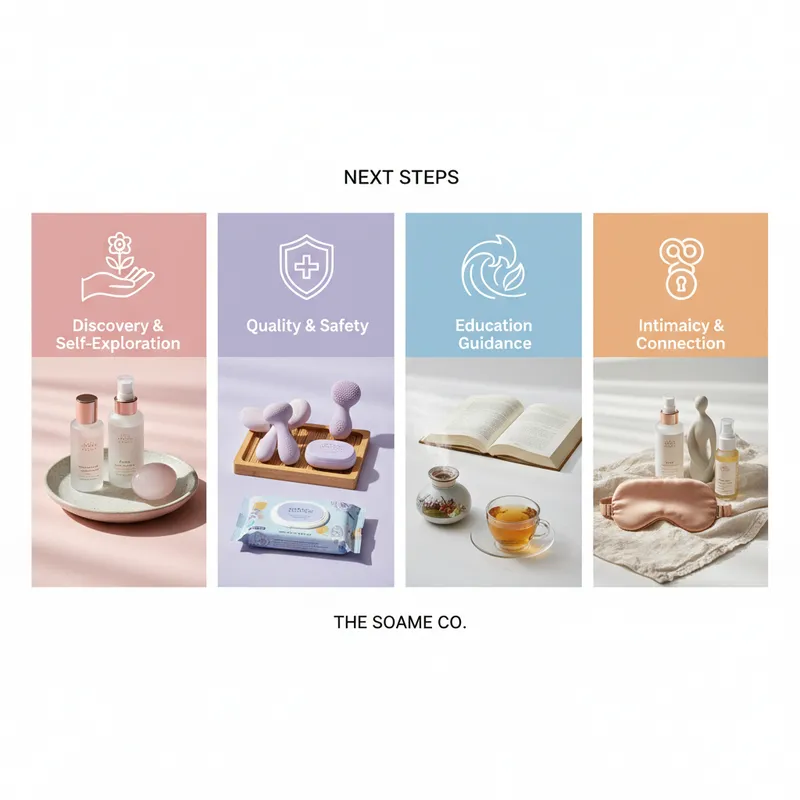
- Explore The Soame Co.'s range of body-safe intimacy products designed to enhance your sexual wellness journey.
- Schedule a conversation with your healthcare provider to discuss any specific concerns or questions about your sexual health.
- Continue educating yourself on sexual wellness through reputable resources and open dialogue with trusted partners.
Discover Your Wellness with The Soame Co.
References
- [1] Affecting Arousal And Lubrication. Some Women
- [2] American Psychological Association
- [3] And Experiencing Pleasure Safely And Responsibly. Understanding Your Own Body Is
- [4] Aroused
- [5] Being. A Study Published In The Journal ' Psychology Of Women Quarterly '
- [6] Cleveland Clinic (2026)
- [7] Consistently
- [8] Genitals And Increasing Muscle Tension. Depression Can Lead To A Loss Of Interest
- [9] Gottman Institute Consistently Shows That Couples Who Communicate Effectively About Their Needs
- [10] It's A Dynamic Interplay Of Physical Sensations And Emotional
- [11] Mayo Clinic
- [12] National Institutes Of Health
- [13] Or Difficulties With Arousal And Orgasm. A Study By The Kinsey Institute
- [14] Or Simply Engaging In Meaningful Conversation. Research From The Gottman Institute Consistently
- [15] Sexual Focus And Enjoyment. Anxiety Can Manifest As Performance Anxiety Or General Worry
- [16] Sexual Health Is A
- [17] Sexual Wellness For Women Is A Holistic
- [18] Stress
- [19] That Women Who Feel Comfortable Discussing Sex With Their Partners
- [20] Various Causes
- [21] Various Causes Like Insufficient Lubrication
- [22] Which Can Sometimes Accompany Menopause. According To A 2026 (2026)
- [23] Women Who Actively Manage Their Symptoms (2026)