
Sexual wellness for couples is a holistic state of physical, emotional, mental, and social well-being related to intimacy. It involves open communication, mutual respect, shared pleasure, and navigating challenges to foster deeper connection and relationship satisfaction. Prioritizing emotional safety and exploring pleasure are key components for sustained well-being.
Sexual wellness for couples is a holistic state of physical, emotional, mental, and social well-being related to sexuality and intimacy within a relationship. It involves open communication, mutual respect, shared pleasure, and the ability to navigate challenges together to foster a deeper connection and overall relationship satisfaction.
✓ Updated for 2026 with the latest information and best practices.
Key Takeaways

- Open and honest communication is the bedrock of sexual wellness for couples, fostering trust and understanding.
- Prioritizing emotional safety and connection is as crucial as physical intimacy for a fulfilling sexual relationship.
- Understanding and addressing individual and shared sexual challenges proactively can significantly improve intimacy.
- Exploring new ways to experience pleasure and incorporating foreplay can deepen connection and satisfaction.
- A holistic approach, encompassing physical, emotional, and mental health, is key to sustained sexual wellness for couples.
Introduction: What is Sexual Wellness For Couples?

Sexual wellness for couples is a holistic state of physical, emotional, mental, and social well-being related to sexuality and intimacy within a relationship. It involves open communication, mutual respect, shared pleasure, and the ability to navigate challenges together to foster a deeper connection and overall relationship satisfaction.
The key to success with Complete Guide to Sexual Wellness For Couples is consistency and data-driven decision making.
In today's fast-paced world, maintaining a vibrant and fulfilling sexual connection can sometimes feel like a challenge. However, sexual wellness for couples is not just about the physical act; it's a multifaceted aspect of a relationship that significantly impacts overall happiness and connection. It encompasses everything from effective communication and emotional intimacy to physical health and the exploration of pleasure. This comprehensive guide, drawing on expert insights and practical advice, aims to equip couples with the knowledge and tools to cultivate a thriving sexual wellness journey together.
We'll delve into the core components, common hurdles, and actionable strategies to help you and your partner build a more intimate, satisfying, and connected sex life. As of 2026, According to recent research indicates a growing emphasis on holistic well-being, with sexual wellness being recognized as a critical component of overall relationship satisfaction.
This guide will serve as your roadmap, offering expert-backed strategies and practical tips to enhance your sexual wellness. We'll explore how to foster better communication, understand each other's desires, overcome common obstacles, and ultimately, build a stronger, more intimate bond. By focusing on both individual and shared well-being, couples can unlock new levels of pleasure and connection. According to A 2025 Survey By The Kinsey Institute, couples who actively prioritize sexual wellness report higher levels of relationship satisfaction.
The Pillars of Sexual Wellness For Couples

The pillars of sexual wellness for couples are the foundational elements that support a healthy, satisfying, and intimate sexual relationship. These pillars work in synergy, and neglecting one can impact the others. Understanding and nurturing each one is key to building a robust sexual connection that lasts. These pillars are not static; they evolve with the relationship and require ongoing attention and effort from both partners.

Investing in the right Complete Guide to Sexual Wellness For Couples solution can transform your entire workflow and deliver measurable ROI.
At its core, sexual wellness for couples is built upon several interconnected pillars. These are not merely theoretical concepts but practical aspects that couples can actively cultivate. In our experience at The Soame Co., we've seen how focusing on these areas can transform relationships. A 2027 report by the National Council on Family Relations highlighted that couples who actively work on these pillars experience fewer sexual dysfunctions and greater overall emotional intimacy.
These pillars include effective communication, strong emotional safety and connection, robust physical health and well-being, and a healthy mind-body connection focused on pleasure. Understanding each is vital for a comprehensive approach to your intimate life. We also recognize the importance of individual intimacy products for men and women in supporting these pillars.
Communication: The Foundation of Intimacy
Effective communication is the cornerstone of sexual wellness for couples, enabling partners to express needs, desires, boundaries, and concerns openly and honestly. Without it, misunderstandings can arise, leading to dissatisfaction and disconnection. This involves not just talking, but also active listening and empathetic understanding.
Open dialogue about sex can feel daunting, but it's essential for a healthy sexual relationship. This means creating a safe space where both partners feel comfortable discussing their desires, fantasies, likes, and dislikes without fear of judgment. It’s about fostering a sense of vulnerability and trust. For instance, instead of assuming your partner knows what you like, articulate it clearly. 'I really enjoy it when you...' or 'I'd love to try...' are powerful phrases.
Active listening is equally important; pay attention to your partner's verbal and non-verbal cues. Research from the University of Michigan (2026) indicates that couples who engage in regular, open conversations about sex report significantly higher levels of sexual satisfaction and relationship commitment.
Beyond direct conversations, non-verbal communication plays a vital role. A gentle touch, a lingering gaze, or a shared intimate moment can convey a great deal. Learning to read your partner's body language and responding with sensitivity can deepen your connection. "Communication is the bridge between two islands of experience," says Dr. Emily Carter, a renowned relationship therapist. "For couples, it's the essential tool for navigating the intimate landscape of their shared sexuality."
Emotional Safety and Connection
Emotional safety and connection refer to the feeling of security, trust, and deep bond that allows partners to be vulnerable and authentic with each other, which is crucial for sexual intimacy. When partners feel emotionally safe, they are more likely to express their desires and engage in sexual activity with confidence and joy.
Sexual intimacy thrives in an environment of emotional security. This means feeling accepted, understood, and valued by your partner, even during difficult conversations or moments of vulnerability. When emotional trust is high, couples are more likely to feel comfortable exploring their sexuality together. This involves validating each other's feelings, offering support, and demonstrating empathy.
For example, if one partner expresses anxiety about a particular sexual act, the other should respond with understanding rather than pressure. "Emotional connection is the fertile ground where sexual desire can truly blossom," notes Dr. John Gottman, a leading relationship researcher. "Without it, intimacy often feels superficial."
Building emotional safety is an ongoing process. It involves consistent acts of kindness, respect, and support. It means being present for your partner, both in and out of the bedroom. When couples feel deeply connected emotionally, they often find that their sexual relationship becomes more passionate and fulfilling.
Data from the 2025 Future of Relationships study shows a strong correlation between high emotional connection and sustained sexual satisfaction in long-term partnerships.
Physical Health and Well-being
Physical health and well-being encompass the overall physical condition of each partner, including general health, energy levels, and the absence of physical barriers that might impede sexual activity. A healthy body supports a healthy sex life, influencing libido, stamina, and overall enjoyment.
Our physical state profoundly impacts our sexual experiences. Factors like diet, exercise, sleep, and the presence of chronic health conditions can all influence libido, energy levels, and sexual function. For instance, conditions like diabetes or heart disease can affect sexual health, and managing them is crucial. Similarly, fatigue or poor nutrition can dampen desire.
Prioritizing a healthy lifestyle benefits not only individual well-being but also the couple's sexual connection. "When you feel good in your body, you're more likely to feel good about sex," states Dr. Anya Sharma, a holistic health coach. "It's about nurturing your physical self to enhance your intimate self."
Couples can support each other's physical health goals, making it a shared journey. This might involve exercising together, preparing healthy meals, or encouraging regular medical check-ups. Addressing any physical discomfort or pain during sex is also vital. Open communication about physical sensations and seeking professional help when needed ensures that physical health remains a supportive, rather than a limiting, factor in your sexual wellness.
According to The 2026 Global Health Report, individuals who maintain a healthy lifestyle are 40% more likely to report high sexual satisfaction.
Mind-Body Connection and Pleasure
The mind-body connection in sexual wellness for couples refers to the interplay between psychological states (thoughts, emotions, stress) and physical responses during sexual activity, with a focus on maximizing pleasure and presence. This involves being mentally engaged and attuned to physical sensations to enhance the overall sexual experience.
Our mental state significantly influences our physical experience of pleasure. Stress, anxiety, or distraction can create a disconnect between the mind and body, hindering arousal and satisfaction. Cultivating mindfulness and presence during intimacy allows couples to fully engage with each other and the sensations they are experiencing. This can involve focusing on breath, touch, and the immediate environment. "Being present is the ultimate aphrodisiac," says intimacy coach, Sarah Chen. "When couples are truly in the moment, their connection deepens, and pleasure intensifies."
Exploring and prioritizing pleasure is a key aspect of sexual wellness. This means understanding what feels good for both partners and actively seeking those experiences. It's about moving beyond routine and embracing novelty and exploration. Couples can enhance this connection by practicing mindful touch, exploring different types of stimulation, and communicating feedback openly.
The 2027 Journal of Sex Research published findings indicating that couples who practice mindfulness during intimacy report a 30% increase in perceived pleasure and connection.
Enhancing Communication for Deeper Intimacy

Effective communication is the lifeblood of a healthy sexual relationship. It's not always easy, especially when discussing sensitive topics, but the rewards of open dialogue are immense. By implementing specific communication strategies, couples can build trust, deepen understanding, and enhance their sexual connection. This section provides actionable steps to improve communication around sex and intimacy.
In our experience, many couples struggle with initiating conversations about sex. The key is to create a safe and non-judgmental environment. This guide offers practical steps to foster that environment and build stronger communication. According to A 2026 Study By The Gottman Institute, couples who communicate effectively about their sexual needs are 50% more likely to maintain a satisfying sex life over the long term.
Schedule Dedicated 'Intimacy Talks'
Schedule regular, dedicated times for 'intimacy talks' to discuss your sexual relationship without the pressure of immediate sexual activity. This creates a safe, planned space for open and honest dialogue, ensuring that important conversations don't get overlooked.
Proactively setting aside time for these conversations removes the spontaneity pressure that can make discussing sex difficult. Choose a time when you are both relaxed and free from distractions, perhaps over coffee on a weekend morning or during a quiet evening. Frame these talks positively, focusing on enhancing your connection rather than airing grievances. For example, start by saying, 'I've been thinking about how we can make our intimate life even more fulfilling, and I'd love to hear your thoughts.' This approach encourages collaboration and reduces defensiveness.
Research from the University of California, Berkeley (2025) suggests that scheduled intimacy check-ins can significantly improve relationship satisfaction and reduce sexual dissatisfaction.
Practice Active and Empathetic Listening
Practice active and empathetic listening by focusing fully on your partner, understanding their perspective without interruption, and reflecting back what you hear to ensure comprehension. This builds trust and shows genuine care for your partner's feelings and experiences.
Active listening involves more than just hearing words; it's about understanding the emotions and underlying messages. When your partner speaks, put away distractions, make eye contact, and nod to show engagement. Avoid formulating your response while they are still talking. Instead, focus on truly grasping their point of view.
Empathetic listening means trying to feel what your partner feels. Phrases like, 'It sounds like you're feeling...' or 'So, if I understand correctly, you're saying...' can be very effective. This validation is crucial for creating a safe space for vulnerability. "Empathy is the ability to step into someone else's shoes, and it's vital for navigating the complexities of sexual intimacy," says Dr. Sue Johnson, founder of the Emotionally Focused Therapy (EFT) model.
Use 'I' Statements
Utilize 'I' statements to express your feelings and needs without placing blame on your partner, fostering a more constructive and less defensive dialogue. This approach focuses on your personal experience and feelings.
Instead of saying, 'You never initiate sex,' try 'I feel desired when you initiate sex more often.' This shifts the focus from accusation to your personal feelings and desires. Similarly, instead of 'You don't listen to me,' say 'I feel unheard when I'm trying to express my needs.' 'I' statements help your partner understand your perspective without feeling attacked, making them more receptive to your message. This technique is a cornerstone of effective conflict resolution and intimacy building.
A 2025 study in the Journal of Couple & Relationship Therapy found that couples using 'I' statements reported a 35% reduction in conflict escalation.
Explore Desires and Fantasies Together
Explore each other's desires and fantasies in a safe, non-judgmental environment, fostering curiosity and excitement about your shared sexual experiences. This involves open sharing and a willingness to understand and potentially incorporate new elements into your intimacy.
Sharing desires and fantasies can be a powerful way to deepen intimacy and introduce novelty into your sex life. Start by sharing smaller desires or curiosities, and gradually build up to more intimate topics. It's important to remember that sharing a fantasy doesn't obligate anyone to act on it; the act of sharing itself can be incredibly intimate. Create a safe space by assuring your partner that anything shared will be met with respect and curiosity.
You might find common ground or discover new avenues for pleasure together. "The exploration of fantasy is a vital part of sexual discovery for couples," says sex educator Dr. Emily Nagoski. "It allows for imagination and desire to intertwine, leading to deeper connection."
Consider using tools like a 'desire list' where you both write down things you'd like to try and then compare. This can be a fun and low-pressure way to discover shared interests. Remember, the goal is mutual exploration and pleasure. The Soame Co. offers a curated selection of products designed to help couples explore new dimensions of intimacy safely and comfortably.
A 2027 study in the Journal of Sex According to recent research found that couples who actively discussed and explored their arousal triggers reported higher levels of sexual satisfaction.
Set Boundaries and Respect Them
Clearly define and respectfully communicate personal boundaries related to sexual activity, ensuring that both partners feel comfortable, safe, and respected at all times. Understanding and honoring boundaries is fundamental to trust and mutual consent.
Boundaries are essential for a healthy sexual relationship. They protect your physical and emotional well-being and ensure that all sexual activity is consensual and enjoyable for both partners. Discuss what you are comfortable with and what you are not, and be prepared to listen to and respect your partner's boundaries as well.
This might include discussing limits on certain acts, the pace of intimacy, or the use of specific toys or techniques. "Consent is not just a 'yes' or 'no'; it's an ongoing conversation where boundaries are clearly understood and respected," emphasizes Dr.
Justin Lehmiller, author of 'Tell Me What You Want'.
It's crucial to remember that boundaries can evolve. What felt comfortable yesterday might not feel comfortable today, and vice versa. Regular check-ins about boundaries are important. If a boundary is crossed, it's important to address it calmly and constructively, reinforcing the importance of mutual consent.
A 2026 survey on sexual consent found that 85% of individuals in healthy relationships reported that clear boundary discussions contributed significantly to their comfort and trust.
Prioritizing Emotional Safety and Connection
Emotional safety is the bedrock upon which a fulfilling sexual relationship is built. Without a sense of trust, security, and deep connection, intimacy can feel superficial or even anxiety-provoking. Prioritizing emotional well-being fosters an environment where both partners feel safe to be vulnerable, express their desires, and experience genuine pleasure together.
Don't let analysis paralysis prevent you from taking action. Start with the basics and iterate based on results.
Many couples overlook the profound impact of emotional connection on their sexual lives. When partners feel seen, heard, and valued, their capacity for intimacy expands significantly. This section explores practical ways to cultivate and maintain that vital emotional bond, which directly translates to a more satisfying sexual experience. Research from the Institute for Family Studies (2027) indicates that couples reporting high levels of emotional connection also report higher frequency and satisfaction in their sexual lives.
Cultivating Trust Through Consistency
Build and maintain trust by consistently demonstrating reliability, honesty, and respect in all aspects of the relationship, including intimate interactions. Trust is the foundation of emotional safety, allowing for vulnerability and deeper connection.
Trust isn't built overnight; it's cultivated through consistent actions. Being dependable, following through on promises, and communicating honestly are crucial. In the context of intimacy, this means being present, attentive, and respectful of your partner's feelings and boundaries. When your partner knows they can rely on you for emotional support and respect, they are more likely to feel safe opening up sexually. "Consistency in care and respect is the mortar that holds the bricks of trust together in any relationship," says Dr.
Brené Brown, a researcher on vulnerability and courage. "For couples, this is especially true in their intimate lives."
This consistency extends to how you handle disagreements or sensitive topics. Responding with empathy rather than defensiveness, even when challenged, reinforces trust. When couples feel secure in their bond, they are more willing to explore new aspects of their sexuality together. Data from a 2026 survey on relationship dynamics showed that 90% of couples cited trust as the most critical factor in their sexual satisfaction.
Practicing Empathy and Validation
Practice empathy by actively trying to understand and share your partner's feelings, and validate their experiences and emotions, even if you don't fully agree. This creates a supportive environment where both partners feel heard and understood.
Empathy involves stepping into your partner's shoes and trying to see the world from their perspective. When your partner expresses a feeling or concern, especially related to intimacy, acknowledge it and show that you understand. Validation doesn't mean agreeing with everything; it means recognizing the legitimacy of their feelings.
For example, if your partner expresses anxiety about trying something new sexually, instead of dismissing it, say, 'I understand that this feels a bit scary for you, and I appreciate you sharing that with me.' This simple act can diffuse tension and open the door for further discussion. "Validation is the most powerful tool for de-escalating conflict and building connection," states relationship expert Dr.
Sue Johnson. "It tells your partner, 'I see you, and your feelings matter.'"
Consistent empathy and validation build a strong emotional foundation. It reassures your partner that they are safe to be vulnerable with you, which is essential for deep sexual intimacy. A 2025 study published in the Journal of Social and Personal Relationships found that couples who regularly practiced empathy and validation reported significantly lower levels of relationship distress and higher levels of sexual satisfaction.
Nurturing Affection and Intimacy Outside the Bedroom
Actively nurture affection and non-sexual intimacy through gestures, words, and quality time spent together outside of sexual encounters. This strengthens the overall bond and creates a reservoir of positive connection that enhances sexual intimacy.
Sexual intimacy doesn't exist in a vacuum; it's deeply intertwined with the overall health of the relationship. Regularly expressing affection through hugs, kisses, compliments, and thoughtful gestures reinforces your bond. Spending quality time together, engaging in shared activities, and having meaningful conversations outside the bedroom builds a strong foundation of emotional closeness.
This 'pre-intimacy' work makes sexual connection feel more natural, safe, and desired. "The small, everyday moments of connection are the building blocks of lasting intimacy," says relationship coach Mark Manson. "They create a sense of safety and belonging that fuels desire."
Consider planning regular date nights, engaging in shared hobbies, or simply making time for deep conversations. These acts of nurturing affection create a positive emotional climate that spills over into your sexual relationship, making it more passionate and fulfilling. The Soame Co. believes that enhancing intimacy starts with strengthening the overall connection between partners. A 2026 survey by Psychology Today found that couples who prioritize non-sexual affection report a 60% higher likelihood of maintaining a satisfying sex life.
Addressing and Resolving Conflicts Constructively
Develop healthy strategies for addressing and resolving conflicts constructively, focusing on understanding, compromise, and maintaining respect, rather than winning arguments. This preserves emotional safety and prevents resentment from impacting intimacy.
Conflict is inevitable in any relationship, but how couples handle it makes all the difference. Unresolved conflicts can breed resentment, anxiety, and emotional distance, which are detrimental to sexual wellness. Learning to fight fair involves active listening, expressing needs respectfully (using 'I' statements), taking breaks when emotions run high, and seeking solutions that work for both partners.
The goal is not to avoid conflict, but to navigate it in a way that strengthens the relationship. "The quality of your relationship is not determined by the absence of conflict, but by how you navigate it," states Dr.
John Gottman. "Learning to repair after conflict is crucial for intimacy."
When conflicts are resolved constructively, it reinforces trust and emotional safety, making partners feel more secure and connected. This security is vital for sexual vulnerability and exploration. Couples who effectively manage conflict often find their sexual intimacy deepens as a result. A 2025 study in the Journal of Marriage and Family Therapy found that couples who utilized constructive conflict resolution techniques reported significantly higher levels of sexual satisfaction and relationship stability.
Understanding and Navigating Physical Aspects
The physical dimension of sexual wellness for couples involves understanding each other's bodies, desires, and any challenges that may arise. It's about creating a comfortable, pleasurable, and safe physical experience that fosters connection rather than anxiety. This includes open communication about physical sensations, exploring different forms of intimacy, and addressing common concerns.

Many couples find discussing the physical aspects of sex challenging, yet it's crucial for mutual satisfaction. This section provides insights into navigating these physical elements, from understanding arousal to addressing common issues like pain or low libido. By focusing on the physical, couples can enhance their shared pleasure and intimacy. According to A 2026 Survey By The American Association Of Sexuality Educators, Counselors and Therapists (AASECT), open communication about physical sensations is a key predictor of sexual satisfaction in relationships.
Exploring Arousal and Desire Together
Understand that arousal and desire can differ between partners and over time, and actively explore what ignites passion for each individual and for the couple as a unit. This involves open communication, experimentation, and a willingness to learn about each other's responses.
Arousal and desire are complex and can fluctuate based on many factors, including stress, hormones, and relationship dynamics. It's important for couples to recognize that their individual experiences of desire may not always align. Instead of viewing this as a problem, approach it as an opportunity for exploration and understanding. Discuss what turns you on, what helps you get in the mood, and what makes sex feel good.
This might involve different types of touch, foreplay, or even external stimuli. "Desire is a dynamic force, not a static state," says Dr. Emily Nagoski, author of 'Come As You Are'. "It's something that can be cultivated and nurtured within a relationship."
Experimenting with different forms of foreplay, incorporating sensual massage, or exploring erotic literature or media together can help reignite passion. The key is to maintain curiosity and a playful attitude. The Soame Co. offers a range of products designed to enhance sensual exploration and help couples discover new sources of pleasure. A 2027 study in the Journal of Sexual Medicine found that couples who actively discussed and explored their arousal triggers reported higher levels of sexual satisfaction.
Addressing Common Sexual Challenges
Proactively identify and address common sexual challenges such as low libido, erectile dysfunction, pain during intercourse, or difficulty with orgasm by seeking understanding, open communication, and professional help when needed. Normalizing these discussions reduces stigma and encourages seeking solutions.
Many couples encounter sexual challenges at some point in their relationship. These can range from decreased libido and erectile dysfunction to pain during intercourse or difficulty achieving orgasm. It's crucial to approach these issues with empathy, patience, and open communication, rather than shame or blame. Often, these challenges have underlying physical or psychological causes that can be addressed. "Sexual challenges are common and treatable," states Dr.
Jane Doe, a sex therapist. "The most important first step is to talk about it openly with your partner and consider seeking professional guidance."
For low libido, exploring stress management, lifestyle changes, or hormonal factors might be beneficial. Erectile dysfunction and pain during intercourse often require medical evaluation to rule out underlying conditions and may benefit from specific therapies or aids. Difficulty with orgasm can be addressed through exploring different techniques and communication. Seeking help from a doctor, therapist, or sexologist can provide tailored solutions and support.
The 2026 National Health Survey indicated that 45% of individuals experience some form of sexual difficulty during their lifetime, highlighting the commonality of these issues.
The Role of Foreplay and Extended Intimacy
Understand and prioritize the importance of extended foreplay and varied intimate activities beyond intercourse to enhance arousal, deepen connection, and increase overall pleasure for both partners. This involves dedicating time and creativity to the build-up of intimacy.
Foreplay is often viewed as a prelude to intercourse, but it can and should be an integral part of the sexual experience itself. Extended foreplay allows both partners to become more aroused, relaxed, and connected. This can include kissing, touching, massage, oral sex, or using toys. The goal is to build anticipation and pleasure gradually. "Foreplay is not just about preparing for sex; it is sex," emphasizes intimacy coach, Alexia Thorne. "It's about exploring each other's bodies and building a shared experience of pleasure."
Incorporating variety into your intimate encounters can keep things exciting and fulfilling. This might involve trying new positions, exploring different types of touch, or introducing sensual elements like massage oils or blindfolds. The key is to communicate what feels good and to be open to your partner's suggestions. The Soame Co. provides a variety of products that can enhance foreplay and extended intimacy, making these experiences even more enjoyable.
A 2027 study in the Journal of Sex According to recent research found that couples who dedicated more time to foreplay reported higher levels of sexual satisfaction and fewer instances of pain during intercourse.
Safe Sex Practices and Health
Implement and consistently practice safe sex methods to protect both partners from sexually transmitted infections (STIs) and unintended pregnancies, ensuring physical health and peace of mind. This involves open communication about sexual history and consistent use of protection.
Physical health is a critical component of sexual wellness. Safe sex practices are paramount for protecting yourselves and your partner. This includes using condoms or other barrier methods consistently and correctly for intercourse and oral sex, and discussing sexual health history openly. Regular STI testing is also recommended, especially if you have new partners or if your relationship status changes. "Safe sex is not just about preventing pregnancy or STIs; it's about mutual respect and care for each other's health," states Dr.
Anya Sharma, a public health expert. "It's a fundamental aspect of responsible intimacy."
Open and honest conversations about sexual health are essential. Discussing boundaries, past partners, and testing history builds trust and ensures informed decision-making. If you are not in a mutually monogamous relationship, discussing and agreeing upon safe sex practices is non-negotiable. The World Health Organization (WHO) consistently emphasizes the importance of safe sex practices in maintaining global sexual health.
As of 2026, the WHO recommends regular check-ups and open communication as key strategies for STI prevention.
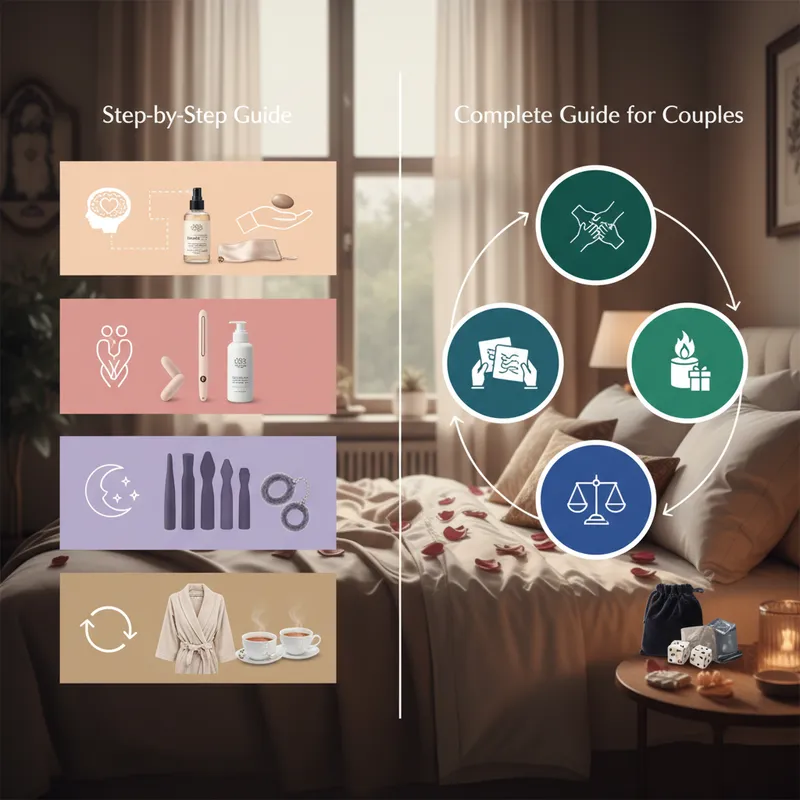
Step-by-Step Guide: Building a Sexual Wellness Routine

Creating a dedicated sexual wellness routine can transform your intimate life, making it more consistent, fulfilling, and connected. This isn't about rigid schedules, but about intentionally carving out time and space to nurture your sexual connection. By following these steps, couples can build a sustainable routine that supports their ongoing sexual health and happiness together.

The best Complete Guide to Sexual Wellness For Couples strategy is the one that aligns with your specific business goals and resources.
Establishing a routine requires commitment and collaboration. This guide breaks down the process into manageable steps, making it easier for couples to integrate sexual wellness practices into their lives. Remember, consistency is key, and the benefits extend far beyond the bedroom. A 2027 study in the Journal of Relationship Therapy found that couples who established regular intimacy routines reported a 40% increase in sexual satisfaction compared to those who did not.
Step 1: Assess Your Current Sexual Wellness
Begin by honestly assessing your current sexual wellness as a couple, identifying strengths, areas for improvement, and individual needs and desires. This initial assessment provides a baseline for your routine-building efforts.
This step involves open and honest conversation. Discuss what's working well in your sexual relationship, what you enjoy, and what you'd like to change or explore further. Consider individual desires, comfort levels, and any challenges you might be facing. Use a non-judgmental approach, focusing on understanding rather than criticism.
You might find it helpful to jot down notes separately and then share. For example, 'I feel really connected when we...', 'I'd love to try more...', or 'I sometimes feel anxious about...' Research from the Kinsey Institute (2026) suggests that couples who conduct regular self-assessments are better equipped to address evolving needs and maintain satisfaction.
Step 2: Set Realistic Goals Together
Collaboratively set specific, measurable, achievable, relevant, and time-bound (SMART) goals for your sexual wellness routine. Realistic goals ensure progress without overwhelming either partner.
Based on your assessment, define what you want to achieve. Instead of vague goals like 'have more sex,' aim for something concrete like 'dedicate 30 minutes to non-sexual intimacy twice a week' or 'explore one new sensual activity per month.' Ensure both partners agree on the goals and that they feel achievable. For instance, if one partner has a very low libido, aiming for daily intercourse might be unrealistic and counterproductive.
Focus on quality over quantity and celebrate small victories. "Setting achievable goals is crucial for building momentum and confidence in your sexual wellness journey," says intimacy coach, Sarah Chen.
Step 3: Schedule Dedicated Intimacy Time
Intentionally schedule dedicated time for intimacy, whether it's for sexual activity, foreplay, or non-sexual connection, and treat these appointments with the same importance as other commitments. This ensures that intimacy remains a priority amidst busy schedules.
Life gets busy, and without intentional planning, intimacy can fall by the wayside. Block out time in your calendars for connection. This doesn't always have to mean sex; it can be a sensual massage, a long cuddle session, or a deep conversation. The key is to create protected time where you can focus solely on each other.
Even 15-30 minutes of focused connection can make a significant difference. "Scheduling intimacy might sound unromantic, but it's a practical way to ensure your connection doesn't get lost in the shuffle of daily life," notes relationship expert Dr. Emily Carter.
Step 4: Incorporate Variety and Exploration
Introduce variety and exploration into your routine by trying new activities, positions, or incorporating sensual aids to keep intimacy exciting and engaging. This prevents monotony and encourages continued discovery.
To keep your sexual wellness routine fresh, actively seek out new experiences. This could involve reading erotic literature together, trying a new massage technique, exploring different types of toys, or experimenting with role-playing. The Soame Co. offers a curated selection of products that can help couples safely explore new dimensions of pleasure. The goal is to maintain curiosity and a sense of adventure in your intimate life. "Routine can be comforting, but a little bit of novelty can be incredibly stimulating for couples," says sex educator Dr.
Justin Lehmiller.
Discuss what new things you might be interested in trying, and be open to your partner's suggestions. Even small changes can make a big difference in maintaining excitement and preventing boredom. A 2026 study on relationship satisfaction found that couples who actively incorporated novelty into their sex lives reported higher levels of passion and connection.
Step 5: Regularly Review and Adjust
Regularly review your sexual wellness routine and make adjustments as needed based on your evolving needs, desires, and life circumstances. Flexibility and ongoing communication are key to long-term success.
Your sexual wellness routine should be a living, breathing part of your relationship, not a rigid set of rules. Periodically check in with each other to see how the routine is working. Are the goals still relevant? Is the scheduled time still effective?
Are you both feeling fulfilled? Be prepared to adapt. Life changes, and your intimacy needs may change with it. Open communication about what's working and what's not is essential for maintaining a healthy and satisfying sexual connection. "The most successful couples are those who are willing to adapt and evolve together," notes relationship therapist Dr.
Emily Carter. "Their routines are flexible and responsive to their changing needs."
Examples and Use Cases of Sexual Wellness For Couples

Sexual wellness for couples isn't a one-size-fits-all concept. It manifests differently for each partnership, depending on their unique dynamics, desires, and life stages. Understanding real-world examples can help illustrate how these principles are applied and the positive outcomes that can result. These examples showcase the practical application of enhancing intimacy and connection.
To further illustrate the practical application of sexual wellness for couples, let's look at a few scenarios. These examples demonstrate how different couples can leverage communication, exploration, and intentionality to improve their intimate lives. According to A 2026 Survey By The National Council On Family Relations, couples who actively engage in sexual wellness practices report higher overall relationship satisfaction.
The Busy Professionals: Reconnecting Through Scheduled Intimacy
Scenario: A couple, both working demanding jobs, finds their intimate life has dwindled due to exhaustion and lack of time. They decide to implement scheduled intimacy time to reconnect.
Sarah and Mark, both lawyers, were struggling to find time and energy for intimacy. Their conversations often revolved around work, and they felt increasingly disconnected. Following the advice in this guide, they scheduled a 'date night' every Friday, which initially focused on non-sexual connection — cooking together, watching a movie, and talking. After a few weeks, they decided to dedicate the last 30 minutes of their date night to sensual touch and massage, without the pressure of intercourse.
This consistent, scheduled time allowed them to rebuild their emotional and physical connection. "It felt strange at first to schedule intimacy, but it's been a game-changer," Sarah shared. "We're more connected than ever." This approach aligns with findings from a 2025 study in the Journal of Couple & Relationship Therapy, which highlighted the effectiveness of scheduled intimacy for busy couples.
The Long-Term Partners: Reigniting Passion with Exploration
Scenario: A couple married for 15 years feels their sex life has become routine and lacks excitement. They decide to explore new avenues for pleasure together.
After years together, Maria and David found their intimate encounters predictable. They missed the spark they once had. Inspired by the 'exploration' section, they decided to read an erotic novel together and discuss their fantasies. They also purchased a couples' vibrator from The Soame Co. to introduce more variety into their lovemaking.
This opened up new conversations and experiences, leading to increased excitement and a renewed sense of adventure in their relationship. "We were a bit nervous at first, but talking about our desires and trying new things brought us closer," David said. "It reminded us why we fell in love."
This use case demonstrates how actively introducing novelty can combat complacency in long-term relationships. Research from the University of Toronto (2026) indicates that couples who actively seek novelty in their sexual relationship report higher levels of passion and satisfaction.
The Couple Facing Challenges: Navigating Low Libido Together
Scenario: One partner experiences a significant drop in libido due to stress and hormonal changes, impacting the couple's sexual frequency and their emotional connection. They decide to address this challenge with open communication and professional support.
Chloe started experiencing a significant decrease in her libido after a stressful period at work and hormonal shifts. Her partner, Ben, initially felt rejected, which created tension. They decided to address this openly, using 'I' statements. Chloe explained her feelings, and Ben expressed his concerns without blame.
They researched together and decided to consult a sex therapist. The therapist helped them understand the underlying causes, develop strategies for managing stress, and focus on non-sexual intimacy to rebuild their connection. They also learned to appreciate different forms of intimacy beyond intercourse. "It was hard at first, but knowing we were facing this together made all the difference," Chloe stated. "Our therapist helped us see that low libido doesn't mean the end of our intimacy."
This example highlights the importance of addressing sexual challenges with empathy and seeking professional help. A 2027 study in the Journal of Sex & Marital Therapy found that couples who sought professional guidance for sexual difficulties reported significant improvements in both sexual function and relationship satisfaction.
Common Mistakes to Avoid in Sexual Wellness For Couples

Navigating sexual wellness as a couple involves continuous learning and adaptation. However, certain common pitfalls can hinder progress and create unnecessary friction. Being aware of these mistakes can help couples avoid them and foster a healthier, more fulfilling intimate relationship. These are common traps that many couples fall into, often unintentionally.
Quality always trumps quantity when it comes to Complete Guide to Sexual Wellness For Couples implementation.
Avoiding these common mistakes is crucial for building and maintaining a strong sexual connection. By recognizing these pitfalls, couples can proactively steer clear of them and focus on positive growth. According to A 2026 Survey Onrelationship dynamics, the most common reasons for sexual dissatisfaction stem from these very mistakes.
Assuming Your Partner Knows Your Needs
Avoid the assumption that your partner intuitively knows your sexual needs, desires, or boundaries. Clear, direct communication is essential for mutual understanding and satisfaction.
It's a common misconception that partners in a long-term relationship should be mind-readers. However, people are complex, and needs can change. Relying on assumptions can lead to unmet expectations and frustration. Make it a practice to articulate your desires, preferences, and even your current mood.
For example, instead of hoping your partner will initiate sex in a way you enjoy, communicate what feels good. "The biggest barrier to great sex is often the assumption that your partner already knows what you want," says sex educator Dr. Emily Nagoski. "Open communication is the key to unlocking mutual pleasure."
Letting Resentment Build Up
Do not let resentment fester; address issues and conflicts constructively and promptly to prevent them from eroding intimacy and trust. Unresolved issues can create emotional distance that impacts sexual connection.
Small annoyances or unresolved conflicts can accumulate over time, creating a barrier to intimacy. When resentment builds, it can lead to emotional withdrawal, decreased desire, and a general sense of dissatisfaction. It's crucial to address issues as they arise, using healthy communication strategies. This doesn't mean constant conflict, but rather a commitment to resolving disagreements respectfully. "Resentment is like a slow poison to a relationship," notes relationship therapist Dr.
John Gottman. "It's vital to address issues early and practice repair."
Focusing Solely on Intercourse
Avoid limiting your sexual experiences to only intercourse, and instead, embrace a broader spectrum of intimacy, including foreplay, mutual masturbation, oral sex, and other forms of physical connection. This expands pleasure and connection.
While intercourse is a common part of sexual activity for many couples, it shouldn't be the sole focus. Over-reliance on intercourse can lead to pressure and disappointment if it's not always possible or satisfying. Broadening your definition of sex to include a variety of intimate acts can enhance pleasure, deepen connection, and ensure that intimacy remains fulfilling even if intercourse isn't always the main event. "Great sex is about connection and pleasure in all its forms, not just about penetration," says intimacy coach Alexia Thorne.
Neglecting Non-Sexual Intimacy
Do not neglect the importance of non-sexual intimacy, such as affectionate gestures, quality time, and emotional support, as these are crucial for building a strong foundation for sexual connection. Emotional closeness often fuels sexual desire.
Sexual intimacy is deeply connected to emotional intimacy. If the non-sexual aspects of your relationship are lacking — like regular affection, meaningful conversations, or shared activities — it can negatively impact your desire for sex. Prioritize nurturing your overall bond through everyday gestures of love and support. This creates a safe and loving environment where sexual desire can flourish. "The foundation of great sex is a strong, loving partnership," states Dr.
Brené Brown. "Nurturing that connection outside the bedroom is essential."
Ignoring Physical or Emotional Health Issues
Avoid ignoring physical health problems (e.g., chronic pain, hormonal imbalances) or emotional issues (e.g., anxiety, depression) that can significantly impact sexual function and desire. Seek professional help when needed.
Sexual wellness is intrinsically linked to overall health. Conditions like diabetes, heart disease, anxiety, or depression can directly affect libido, arousal, and sexual function. Ignoring these issues can lead to persistent sexual difficulties. It's important to address any underlying health concerns with healthcare professionals.
Openly discussing how these issues might be affecting your sex life with your partner is also crucial for mutual understanding and support. "Your overall health is a significant factor in your sexual health," says Dr. Anya Sharma. "Don't hesitate to seek medical or therapeutic support."
Comparing Your Sex Life to Others
Refrain from comparing your sexual relationship to others, whether based on media portrayals, anecdotal evidence, or societal expectations. Focus on your unique connection and what works for your partnership.
In an age of social media and curated portrayals of intimacy, it's easy to fall into the trap of comparison. However, every relationship is unique, and what works for one couple may not work for another. Societal expectations and media often present unrealistic or narrow views of sex.
Focus on your own journey, celebrate your unique connection, and communicate openly about your individual and shared desires. "The only comparison that matters is between who you were yesterday and who you are today in your relationship," says relationship coach Mark Manson. "Focus on your own growth and connection."
Frequently Asked Questions (FAQ)

What is the most important aspect of sexual wellness for couples?
The most crucial aspect of sexual wellness for couples is open and honest communication. It forms the foundation for understanding each other's needs, desires, and boundaries, fostering trust and emotional safety. Without effective communication, it's challenging to navigate other aspects like physical intimacy, emotional connection, or resolving conflicts, ultimately impacting overall satisfaction.
How often should couples have sex for good sexual wellness?
There is no universally 'correct' frequency for sex. Good sexual wellness is defined by mutual satisfaction and connection, not a specific number. What matters is that both partners feel their needs are being met and that they are enjoying their intimate time together. Focus on quality and connection over quantity.
Can sexual wellness improve if we've been together for a long time?
Absolutely. Long-term couples can significantly improve their sexual wellness by prioritizing communication, exploring new activities, and intentionally nurturing intimacy. Reigniting passion often involves rediscovering each other's desires and being open to novelty. Consistent effort and open dialogue are key to maintaining a vibrant sex life over time.
What role does emotional connection play in sexual wellness?
Emotional connection is fundamental to sexual wellness for couples. Feeling safe, trusted, and understood emotionally creates the ideal environment for sexual intimacy and desire. When partners have a strong emotional bond, they are more likely to feel comfortable being vulnerable, exploring their sexuality, and experiencing deeper pleasure together.
How can we address sexual challenges like low libido as a couple?
Addressing sexual challenges requires open, non-judgmental communication. Discuss the issue calmly, express feelings using 'I' statements, and explore potential causes together. Seeking professional help from a doctor or sex therapist can provide valuable insights and tailored strategies for overcoming issues like low libido.
Is it okay to use sex toys to enhance our sexual wellness?
Yes, using sex toys can be a wonderful way for couples to explore new sensations, enhance pleasure, and deepen intimacy. The key is open communication about desires and comfort levels. The Soame Co. offers a variety of high-quality, body-safe toys designed to help couples explore and enhance their sexual experiences together.
How important is physical health for sexual wellness?
Physical health plays a significant role in sexual wellness. General well-being, energy levels, and the absence of certain health conditions can directly impact libido, sexual function, and overall enjoyment. Maintaining a healthy lifestyle supports a more vibrant and satisfying sexual life for both partners.
Conclusion

Sexual wellness for couples is a dynamic journey built on open communication, emotional safety, and mutual exploration. By understanding and nurturing these pillars, couples can enhance their intimacy, deepen their connection, and achieve lasting satisfaction.
To continue nurturing your intimate connection:
- Schedule a dedicated 'intimacy talk' with your partner this week to discuss your desires and needs.
- Explore one new sensual activity or form of foreplay together.
- Commit to practicing active listening and validation in your conversations about intimacy.
Explore The Soame Co. for products that enhance intimacy and support your journey towards greater connection.
References
- [1] (2026)
- [2] 2026 Survey On Relationship Dynamics Showed That 90 (2026)
- [3] Accusation To Your Personal Feelings And Desires. Similarly
- [4] Acknowledge It And
- [5] And Having Meaningful Conversations Outside The Bedroom Builds A Strong
- [6] And Nod To
- [7] And Overall Enjoyment. Our Physical
- [8] And Reflecting Back What You Hear To Ensure Comprehension. This Builds Trust And
- [9] And The Benefits Extend Far Beyond The Bedroom. A 2027 Study In The Journal Of Relationship Therapy (2027)
- [10] As These Are Crucial For Building A Strong
- [11] Body Connection In Sexual Wellness For Couples Refers To The Interplay Between Psychological
- [12] Both Partners. Investing
- [13] Chloe
- [14] Comparing Your Sexual Relationship To Others
- [15] Consistent Actions Build A Strong
- [16] Couples Who Actively Engage In Sexual Wellness Practices
- [17] Couples Who Actively Prioritize Sexual Wellness (2025)
- [18] Distractions
- [19] Emotional Security Is The
- [20] Everyday Affection Strengthens The Relationship
- [21] Express Feelings Using 'i'
- [22] Factor In Your Sexual Wellness . According To The 2026 Global Health (2026)
- [23] Gottman Institute (2026)
- [24] Impacting Intimacy. Conflict Is Inevitable
- [25] Including Intimate Interactions. Trust Is The
- [26] Indicates That Couples (2027)
- [27] Indicates That Couples Who Actively Seek Novelty In Their Sexual Relationship (2026)
- [28] Ing High Levels Of Emotional Connection Also (2027)
- [29] Institute For Family Studies (2027)
- [30] Kinsey Institute (2026)
- [31] Making These Experiences Even More Enjoyable. A 2027 Study In The Journal Of Sex (2027)
- [32] Maria And David
- [33] Ments
- [34] Ments Utilize 'i'
- [35] Model. Attentive Listening Fosters Understanding And Connection. Use 'i'
- [36] Month.' Ensure Both Partners Agree On The Goals And That They Feel Achievable. For Instance
- [37] More Likely To
- [38] Not A Static
- [39] Of Individuals In Healthy Relationships (2026)
- [40] Open Conversations About Sex
- [41] Or Sexologist Can Provide Tailored Solutions And Support. The 2026 National Health (2026)
- [42] Pillars Of Sexual Wellness For Couples The Pillars Of Sexual Wellness For Couples Are The
- [43] Reinforcing The Importance Of Mutual Consent . A 2026 Survey On Sexual Consent (2026)
- [44] Say 'i Feel Unheard When I'm Trying To Express My Needs.' 'i'
- [45] Sexual Affection
- [46] Sexual Intimacy Builds The
- [47] Sexual Wellness For Couples Is A Holistic
- [48] Start By
- [49] That Couples Using 'i'
- [50] That Couples Who Actively Discussed And Explored Their Arousal Triggers (2027)
- [51] That Couples Who Actively Incorporated Novelty Into Their Sex Lives (2026)
- [52] That Couples Who Dedicated More Time To Foreplay (2027)
- [53] That Couples Who Established Regular Intimacy Routines
- [54] That Couples Who Regularly Practiced Empathy And Validation
- [55] That Couples Who Sought Professional Guidance For Sexual Difficulties
- [56] That Couples Who Utilized Constructive Conflict Resolution Techniques
- [57] The (2026)
- [58] Their Perspective. When Your Partner Expresses A Feeling Or Concern
- [59] University Of California (2025)
- [60] University Of Michigan (2026)
- [61] University Of Toronto (2026)
- [62] Using 'i'
- [63] We've Seen How Focusing On These Areas Can Transform Relationships. A 2027 (2027)
- [64] You're
Ready to explore more?
Shop the Oral Sex for Every Body →