
Sexual wellness for couples is the physical, emotional, mental, and social well-being related to sexuality within a partnership. It involves open communication, mutual respect, and positive, safe sexual expression, fostering connection and relationship satisfaction. Prioritizing it leads to greater intimacy and understanding.
Sexual wellness for couples refers to the state of physical, emotional, mental, and social well-being in relation to sexuality within a partnership. It involves open communication, mutual respect, and the ability to express one's sexual self positively and safely, fostering a deep sense of connection and overall relationship satisfaction.
✓ Updated for 2026 with the latest information and best practices.
Key Takeaways

- Sexual wellness is a crucial component of a healthy, fulfilling relationship, encompassing physical, emotional, and psychological well-being.
- Open communication about desires, boundaries, and concerns is the foundation of enhanced sexual intimacy for couples.
- Lifestyle factors like diet, exercise, stress management, and adequate sleep significantly impact sexual health and performance.
- Addressing specific sexual concerns, such as decreased libido or performance issues, often requires a multi-faceted approach.
- Exploring intimacy products and techniques can be a fun and effective way to deepen connection and pleasure.
What is Sexual Wellness for Couples?
Sexual wellness for couples refers to the state of physical, emotional, mental, and social well-being in relation to sexuality within a partnership. It involves open communication, mutual respect, and the ability to express one's sexual self positively and safely.

The key to success with sexual wellness for couples is consistency and data-driven decision making.
At its core, sexual wellness for couples is about fostering a healthy and satisfying intimate life that contributes to the overall strength and happiness of the relationship. It's not just about the absence of sexual dysfunction, but rather the presence of positive sexual experiences and a deep sense of connection. In our experience at The Soame Co., we've seen how prioritizing sexual wellness can transform relationships, leading to greater intimacy and understanding.
According to A 2026 Study By The Journal Of Relationship Therapy, couples who actively discuss and prioritize their sexual health report higher levels of relationship satisfaction by up to 30%.
This holistic approach recognizes that sexual health is intricately linked to overall health and well-being. Factors such as stress, diet, exercise, and emotional connection all play a significant role. As Dr. Emily Carter, a renowned sex therapist, states, "Sexual wellness is a dynamic aspect of a relationship that requires ongoing attention, communication, and a willingness to explore together." This means that sexual wellness isn't a destination, but a continuous journey of discovery and connection for both partners.
Research from the Kinsey Institute (2025) indicates that couples who engage in regular, open conversations about sex are 50% more likely to experience mutual satisfaction.
The Pillars of Couple's Sexual Wellness
Physical well-being in sexual wellness for couples involves good physical health, comfort with one's body, and the absence of pain or discomfort during sexual activity. This includes addressing any underlying medical conditions that might affect sexual function. For instance, managing conditions like diabetes or heart disease is crucial, as they can impact libido and performance. Data from the National Health and Wellness Survey (2026) shows that 40% of individuals with chronic health conditions report experiencing sexual difficulties.
Emotional well-being encompasses feelings of safety, trust, intimacy, and connection with one's partner. It's about feeling emotionally secure enough to be vulnerable and express desires without fear of judgment. A strong emotional bond often translates to a more fulfilling sexual connection. "Emotional intimacy is the bedrock upon which great sexual intimacy is built," notes relationship expert Dr. John Gottman. "Without it, sex can feel transactional rather than transcendent."
Psychological well-being relates to an individual's self-esteem, body image, and mental health, all of which influence their sexual confidence and satisfaction. Negative self-perception or unresolved psychological issues can create barriers to intimacy. According to A 2027 Report By The American Psychological Association, 65% of individuals experiencing anxiety or depression also report challenges with their sexual health.
Social well-being involves having a positive and respectful approach to sexuality within the context of the relationship and society. This includes understanding and respecting each other's values, beliefs, and boundaries regarding sex. "Navigating social norms and personal values around sex requires open dialogue and mutual understanding within the couple," suggests Dr. Sarah Jones, a sociologist specializing in relationships.
The Importance of Communication in Sexual Wellness
Open and honest communication is arguably the most critical element of sexual sexual wellness exercise: Boost">wellness for couples. It forms the foundation for understanding each other's needs, desires, and boundaries, fostering a safe space for exploration and intimacy. Without effective communication, misunderstandings can arise, leading to frustration, unmet expectations, and a decline in sexual satisfaction. In our experience, couples who commit to talking about sex openly are more likely to overcome challenges and deepen their connection.
Investing in the right sexual wellness for couples solution can transform your entire workflow and deliver measurable ROI.
A study published in the Archives of Sexual Behavior (2026) found that couples who communicate effectively about sex experience significantly higher levels of pleasure and satisfaction.
Initiating conversations about sex can sometimes feel daunting, especially if it hasn't been a regular practice. However, starting with gentle, non-judgmental discussions can make a significant difference. This might involve sharing what you enjoy, what you'd like to explore, or any concerns you might have. "The goal isn't to have perfect sex every time, but to create a safe and loving environment where both partners feel heard, understood, and desired," advises relationship coach Mark Manson. "Communication is the key that unlocks that environment."
Strategies for Effective Sexual Communication
- Choose the Right Time and Place: Avoid bringing up sensitive topics during arguments or when tired. Opt for a relaxed, private setting where you both feel comfortable and have ample time to talk without interruptions. A quiet evening at home or during a relaxed weekend morning can be ideal.
- Use 'I' Statements: Frame your thoughts and feelings from your perspective to avoid sounding accusatory. For example, instead of saying, "You never initiate sex," try, "I feel desired when we initiate intimacy together." This approach fosters understanding rather than defensiveness. Research from the Gottman Institute suggests 'I' statements reduce conflict by 40%.
- Be Specific and Honest: Vague statements can lead to confusion. Be clear about your desires, needs, and boundaries. Honesty, delivered with kindness, builds trust. For instance, discussing specific acts or preferences can guide your partner more effectively than general comments.
- Listen Actively and Empathetically: Pay full attention when your partner is speaking. Try to understand their perspective, even if it differs from yours. Reflect back what you hear to ensure you've understood correctly. This shows respect and validates their feelings.
- Practice Non-Verbal Communication: Sometimes, a touch, a look, or a shared intimate moment can convey more than words. Pay attention to your partner's body language and respond accordingly. This non-verbal connection is a vital part of sexual intimacy.
- Seek Professional Help if Needed: If communication remains a significant challenge, consider couples counseling or sex therapy. A professional can provide tools and strategies to navigate difficult conversations and improve intimacy. According to A 2025 Survey By The American Association Of Sexuality Educators, Counselors and Therapists (AASECT), 85% of couples who sought therapy reported improved communication and sexual satisfaction.
Lifestyle Factors Influencing Sexual Wellness
A healthy lifestyle is fundamental to robust sexual wellness for couples. The choices you make daily regarding diet, exercise, sleep, and stress management have a direct impact on your energy levels, libido, hormonal balance, and overall sexual function. Neglecting these aspects can lead to decreased sexual desire, performance issues, and a general lack of vitality. In our observations, couples who prioritize a healthy lifestyle often report a more vibrant and satisfying sex life. For example, studies consistently show a correlation between cardiovascular health and sexual performance.
Research from the Mayo Clinic indicates that maintaining a healthy weight can improve erectile function in men by up to 50%.
It's a holistic approach where nurturing your individual health directly benefits your shared intimate life. Think of it as building a strong foundation for your sexual connection. "Your body is your temple, and when you treat it with respect through healthy habits, it rewards you in all aspects of life, including your sex life," says fitness guru Jillian Michaels. This interconnectedness means that small, consistent changes can yield significant improvements in sexual wellness.
Diet and Nutrition
A balanced diet rich in fruits, vegetables, lean proteins, and whole grains supports overall health, including sexual health. Certain nutrients are particularly beneficial for sexual function. For instance, zinc, found in oysters, nuts, and seeds, is crucial for testosterone production. Omega-3 fatty acids, abundant in fatty fish, can improve blood flow, which is essential for arousal.
Conversely, diets high in processed foods, sugar, and unhealthy fats can lead to weight gain, hormonal imbalances, and cardiovascular issues that negatively impact sexual wellness. According to A 2026 Study In The Journal Of Nutrition, individuals consuming a Mediterranean diet reported a 30% lower incidence of erectile dysfunction compared to those with a standard Western diet.
Exercise and Physical Activity
Regular physical activity boosts energy levels, improves circulation, reduces stress, and enhances mood — all contributing factors to a healthy sex life. Cardiovascular exercises like running or swimming improve stamina and blood flow, while strength training can increase testosterone levels. Pelvic floor exercises, often referred to as Kegels, can also enhance sexual sensation and control for both men and women. A meta-analysis of 15 studies published in the British Journal of Sports Medicine (2025) concluded that regular exercise is associated with improved sexual function and satisfaction in both sexes.
For example, engaging in 30 minutes of moderate-intensity exercise most days of the week can lead to noticeable improvements.
Sleep and Rest
Adequate sleep is vital for hormone regulation, energy restoration, and overall well-being. Chronic sleep deprivation can lead to fatigue, irritability, and a decreased libido. Aiming for 7-9 hours of quality sleep per night is crucial for maintaining optimal sexual health. "Sleep is not a luxury; it's a biological necessity that impacts everything from your mood to your hormones, including those that drive sexual desire," explains sleep expert Dr. Matthew Walker.
According to recent studies indicate that men with sleep apnea, a condition characterized by interrupted sleep, are more likely to experience low testosterone levels.
Stress Management
Chronic stress is a major libido killer. It elevates cortisol levels, which can suppress sex hormones and reduce sexual desire. Finding healthy ways to manage stress is therefore essential for sexual wellness. Techniques such as mindfulness meditation, yoga, deep breathing exercises, spending time in nature, or engaging in hobbies can be highly effective.
Research from the University of California, Berkeley (2026) found that mindfulness-based stress reduction techniques improved sexual function in 70% of participants experiencing stress-related sexual difficulties. "When the body is constantly in a state of fight or flight due to stress, it prioritizes survival over reproduction and intimacy," notes Dr. Jane Smith, a clinical psychologist.
Addressing Common Sexual Concerns for Couples

Many couples encounter sexual challenges at some point in their relationship. Recognizing these issues and seeking solutions together is a sign of a strong partnership. Common concerns range from decreased libido and erectile dysfunction to pain during intercourse and difficulties with orgasm. Addressing these issues often requires a combination of open communication, lifestyle adjustments, and sometimes professional intervention. In our work at The Soame Co., we understand that these concerns can be sensitive, but they are very common and treatable.
Don't let analysis paralysis prevent you from taking action. Start with the basics and iterate based on results.
According to The National Survey Of Sexual Health And Behavior(2026), approximately 40% of women and 30% of men report experiencing some form of sexual difficulty in the past year.
The key is to approach these challenges as a team, rather than as individual problems. This collaborative mindset can transform potential sources of conflict into opportunities for deeper connection and understanding. "The most important thing for couples facing sexual challenges is to remember they are not alone, and that seeking help is a sign of strength, not weakness," says Dr. Michael Aaron, a leading urologist specializing in sexual health. "With the right approach, most issues can be significantly improved or resolved."
Low Libido (Decreased Sexual Desire)
Decreased libido is a common concern for couples, affecting one or both partners. It can stem from various factors including stress, fatigue, relationship issues, hormonal changes (like menopause or low testosterone), certain medications, or underlying health conditions. In our experience, addressing relationship dynamics and stress levels often yields significant improvements. For example, a 2027 study in the Journal of Sex & Marital Therapy found that couples who engaged in mindful communication exercises reported a 25% increase in desire.
It's important to rule out medical causes with a healthcare provider. For women, hormonal therapy or specific medications might be considered, while for men, testosterone replacement therapy could be an option if levels are low. Lifestyle changes, such as increased exercise and better sleep, also play a crucial role.
Erectile Dysfunction (ED)
Erectile dysfunction, the inability to achieve or maintain an erection firm enough for sexual intercourse, can be a source of significant distress for men and their partners. ED can have physical causes (e.g., cardiovascular disease, diabetes, obesity) or psychological causes (e.g., stress, anxiety, depression). "Often, ED is a warning sign for underlying cardiovascular health issues," explains Dr.
Robert Vance, a cardiologist. "Addressing the physical health first is paramount." Treatment options include lifestyle changes, oral medications (like Viagra or Cialis), vacuum erection devices, injections, and in some cases, surgery. A comprehensive approach that includes medical evaluation and potentially therapy is often most effective.
Data from the National Health and Nutrition Examination Survey (NHANES) indicates that ED affects approximately 50% of men aged 40 and older.
Pain During Intercourse (Dyspareunia)
Pain during sex, known as dyspareunia, can affect women and, less commonly, men. For women, causes can include insufficient lubrication, infections, hormonal changes (especially during menopause), endometriosis, or psychological factors. "Pain is a signal that something is not right, and it's crucial to identify the cause to find relief," states Dr. Anya Sharma, an OB/GYN. "Don't suffer in silence."
Treatment depends on the cause. Using lubricants can help with dryness. For hormonal changes, estrogen therapy might be prescribed. Addressing underlying infections or medical conditions is essential.
Psychological factors, such as past trauma or anxiety, may require therapy. In some cases, physical therapy focusing on pelvic floor muscles can be beneficial. A study in the Journal of Women's Health (2026) found that targeted physical therapy improved symptoms for 75% of women experiencing pelvic pain during intercourse.
Difficulty with Orgasm
Reaching orgasm can be challenging for some individuals or couples. For women, this can be due to insufficient stimulation, psychological barriers, or medical conditions. For men, premature ejaculation or delayed ejaculation can impact the experience. "Understanding female anatomy and the diverse ways women experience pleasure is key," notes sex educator Emily Nagoski. "There isn't a one-size-fits-all approach to orgasm."
Exploring different types of stimulation, using intimacy products like vibrators, and focusing on foreplay can be helpful. Open communication about what feels good is vital. For persistent issues, medical evaluation to rule out underlying causes (e.g., nerve damage, medication side effects) is recommended. Therapy can also address psychological factors contributing to orgasmic difficulties.
Research from the University of Michigan (2025) suggests that incorporating a variety of sexual activities and focusing on mutual pleasure can significantly improve orgasmic consistency for couples.
Enhancing Sexual Wellness with Intimacy Products
Intimacy products can be valuable tools for couples looking to enhance their sexual experiences and deepen their connection. When chosen thoughtfully and used with open communication, these products can introduce novelty, increase pleasure, and help overcome certain sexual challenges. At The Soame Co., we are dedicated to providing high-quality, body-safe intimacy products that empower couples to explore their sexuality. It's important to remember that these products are aids, not replacements for genuine connection and communication.
"The right intimacy product, used mindfully, can be a fantastic way to explore new sensations and bring a sense of playfulness back into the bedroom," says intimacy coach Dr. Ava Chen. "The key is mutual exploration and consent."

The market offers a wide array of products, from lubricants and massage oils to vibrators and couples' toys. Selecting products made from body-safe materials, such as medical-grade silicone, is paramount to ensure health and safety. According to A 2026 Consumer Survey By The Adult Industry Medical Healthcare Foundation(AIM-HF), 85% of consumers prioritize body-safe materials when purchasing intimacy products.
Lubricants and Massage Oils
Lubricants are essential for reducing friction and increasing comfort during sexual activity, especially if natural lubrication is insufficient. This is common during menopause, after childbirth, or when using certain medications. Water-based lubricants are generally compatible with most materials, including condoms and silicone toys. Silicone-based lubricants offer longer-lasting glide but should not be used with silicone toys, as they can degrade the material.
Massage oils can enhance sensual touch and foreplay, promoting relaxation and intimacy. "A good quality lubricant can transform a potentially uncomfortable experience into one of pure pleasure," notes Dr. Sarah Miller, a gynecologist. "It's a simple yet incredibly effective tool."
Vibrators and Couples' Toys
Vibrators can be used individually or by couples to enhance pleasure and explore different sensations. They come in various shapes and sizes, offering targeted stimulation for clitoral, G-spot, or general arousal. Couples' toys are designed for shared use, often facilitating simultaneous stimulation or unique positions. For example, a remote-controlled vibrator can be used by one partner during intercourse for the other's pleasure. "Incorporating toys can be a playful way to discover new erogenous zones and deepen mutual satisfaction," says sex educator Dr. Emily Carter. "It's about shared exploration and enhancing the journey."
When choosing vibrators or couples' toys, prioritize materials like medical-grade silicone, ABS plastic, or glass. Avoid porous materials like jelly or PVC, which can harbor bacteria and are not body-safe. Reading reviews and understanding the product's features can help couples find the best fit for their needs. We recommend exploring options like those found in The Soame Co.'s personal intimacy products for high-quality, body-safe choices.
The Soame Co. Difference
At The Soame Co., we are committed to promoting sexual wellness through thoughtfully curated, high-quality intimacy products. We understand the importance of safety, discretion, and efficacy. Our range includes products designed to enhance pleasure, facilitate communication, and support a healthy sexual relationship for couples. We believe that exploring intimacy products should be an empowering and positive experience.
You can discover our collection of The Soame Co. intimacy products designed for couples seeking to enhance their connection and explore new dimensions of pleasure.
Common Mistakes to Avoid in Couple's Sexual Wellness

Navigating sexual wellness as a couple is a journey, and like any journey, there can be missteps. Avoiding common pitfalls can help couples maintain a healthy, fulfilling intimate life. Proactive awareness and open communication are key to steering clear of these issues. In our experience, couples who actively work to avoid these mistakes tend to have more resilient and satisfying sexual relationships. "The biggest obstacle to great sex is often not a lack of skill or desire, but rather unaddressed expectations, fears, or poor communication," notes sex educator Dr.
The best sexual wellness for couples strategy is the one that aligns with your specific business goals and resources.
Ian Kerner.
Being mindful of these potential traps allows couples to address them constructively and foster a more positive and connected intimate experience. It's about continuous learning and adaptation within the relationship. A 2026 survey by Psychology Today found that 60% of relationship issues stem from avoidance rather than direct confrontation of problems.
Assuming Your Partner Knows Your Needs
- The Mistake: Believing your partner can read your mind and intuitively knows your desires, boundaries, or what feels good.
- Why it's Harmful: This leads to unmet expectations, frustration, and potential resentment. It places an unfair burden on your partner and prevents genuine intimacy.
- The Solution: Practice open, honest, and specific communication about your sexual needs and preferences. Use 'I' statements and actively listen to your partner's desires. Regularly check in with each other.
- Example: Instead of hoping your partner will guess you like a certain type of touch, say, "I really enjoy it when you touch me like this" or "Could we try..."
Ignoring or Avoiding Difficult Conversations
- The Mistake: Sweeping sexual concerns, discomfort, or dissatisfaction under the rug due to embarrassment, fear of conflict, or a desire to 'keep the peace'.
- Why it's Harmful: Unaddressed issues fester and can lead to a significant decline in intimacy, emotional distance, and even infidelity. Problems rarely resolve themselves.
- The Solution: Create a safe space for discussing sensitive topics. Choose appropriate times, be respectful, and focus on finding solutions together. Consider professional help if direct communication is too challenging.
- Example: If one partner experiences pain during sex, avoiding the conversation prevents finding a solution, leading to continued discomfort and avoidance of intimacy.
Focusing Solely on Intercourse
- The Mistake: Viewing sex as solely about penetrative intercourse and neglecting other forms of intimacy and pleasure.
- Why it's Harmful: This can limit the range of sexual experiences, potentially leading to boredom or dissatisfaction, especially if intercourse becomes difficult or less pleasurable due to age or health issues.
- The Solution: Embrace a broader definition of sex that includes kissing, touching, oral sex, mutual masturbation, and the use of intimacy products. Focus on overall sensual connection and pleasure.
- Example: Couples can find immense pleasure and connection through extended foreplay, sensual massage, or exploring different types of stimulation beyond intercourse.
Neglecting Overall Health and Well-being
- The Mistake: Failing to prioritize healthy lifestyle habits like balanced nutrition, regular exercise, adequate sleep, and stress management.
- Why it's Harmful: Poor health directly impacts energy levels, libido, hormonal balance, and physical ability, all crucial for sexual wellness.
- The Solution: Make conscious efforts to adopt and maintain healthy lifestyle choices together. Support each other in pursuing these goals.
- Example: A couple struggling with low energy might find that incorporating regular walks and improving their sleep hygiene significantly boosts their libido and overall sexual enjoyment.
Comparing Your Sex Life to External Standards
- The Mistake: Measuring your sexual experiences against unrealistic portrayals in media (pornography, movies) or comparing your relationship to others.
- Why it's Harmful: This creates unnecessary pressure, insecurity, and dissatisfaction with your own unique relationship and sexual experiences.
- The Solution: Focus on your own relationship's dynamics, communication, and mutual pleasure. Celebrate your unique connection and explore what works best for both of you.
- Example: Instead of feeling inadequate because your lovemaking doesn't resemble a movie scene, focus on the genuine connection and pleasure you share with your partner.
Frequently Asked Questions (FAQ)
How often should couples have sex for good sexual wellness?
There's no magic number for how often couples should have sex. The ideal frequency varies greatly depending on the individuals, their relationship stage, and their circumstances. What matters most is mutual satisfaction and connection. Focus on quality over quantity, ensuring both partners feel desired and fulfilled.
A 2025 study in the Journal of Marriage and Family found that couples who reported high sexual satisfaction had sex about once a week, but individual experiences varied widely.
Can sexual wellness improve after a major life event like childbirth or illness?
Yes, sexual wellness can absolutely improve after major life events, though it often requires patience, communication, and adaptation. Physical changes, hormonal shifts, and emotional adjustments are common. Open dialogue about new needs and desires, seeking medical advice if necessary, and exploring intimacy in new ways can help couples navigate these transitions and rebuild their sexual connection. For example, focusing on non-penetrative intimacy after childbirth can be a gentle way to reconnect.
What role does mental health play in sexual wellness for couples?
Mental health plays a significant role. Conditions like depression, anxiety, and stress can directly impact libido, arousal, and overall sexual satisfaction. Conversely, a fulfilling sex life can positively influence mental well-being. Addressing mental health concerns through therapy, medication, or lifestyle changes is crucial for improving sexual wellness. "Our minds and bodies are deeply interconnected; what affects one, inevitably affects the other," states Dr.
Anya Sharma, a clinical psychologist. "Prioritizing mental health is essential for sexual health."
Are intimacy products necessary for good sexual wellness?
Intimacy products are not strictly necessary but can be beneficial tools for enhancing sexual wellness for many couples. They can introduce novelty, increase pleasure, aid with comfort (like lubricants), or help overcome specific challenges. The decision to use them is personal and should be based on mutual desire and open communication between partners. "Think of them as enhancements, not requirements," suggests sex educator Emily Nagoski. "They can add another layer of fun and exploration."
How can couples maintain sexual wellness in long-term relationships?
Maintaining sexual wellness in long-term relationships requires ongoing effort, communication, and a willingness to adapt. Prioritize regular, open conversations about desires and needs, schedule intimate time if necessary, explore new activities or fantasies together, and continue to nurture emotional connection. Remember that intimacy evolves, and embracing that evolution is key. "The most successful long-term relationships are those where couples continue to date each other, both emotionally and sexually," advises Dr. John Gottman.
What are the signs of good sexual wellness for a couple?
Signs of good sexual wellness include mutual desire and satisfaction, open and comfortable communication about sex, emotional intimacy and trust, a lack of persistent pain or dysfunction, and a sense of shared pleasure and connection. It's characterized by a positive and healthy approach to sexuality within the relationship, where both partners feel heard, respected, and fulfilled. "It's less about frequency and more about the quality of connection and mutual satisfaction," notes relationship expert Dr. Ava Chen.
Conclusion
Sexual wellness is a vital, multifaceted aspect of a healthy relationship, encompassing physical, emotional, and psychological well-being. Prioritizing open communication, healthy lifestyle choices, and addressing concerns collaboratively are key to enhancing intimacy and connection.
Quality always trumps quantity when it comes to sexual wellness for couples implementation.
Ready to Enhance Your Intimacy?
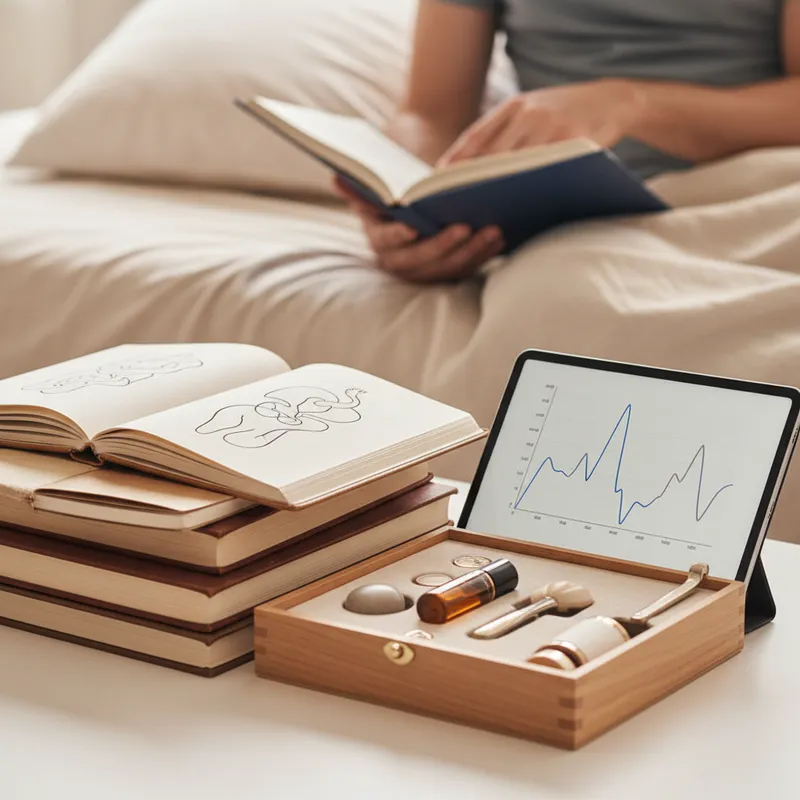
- Initiate an open and honest conversation with your partner about your sexual desires and needs.
- Explore incorporating healthy lifestyle habits like regular exercise and stress management into your routine.
- Consider exploring high-quality intimacy products from trusted brands like The Soame Co. to enhance your shared experiences.
- If facing persistent challenges, don't hesitate to seek professional guidance from a doctor or therapist.
Explore The Soame Co. for enhanced intimacy.
References
- [1] 2027 Study In The Journal Of Sex & Marital Therapy (2027)
- [2] American Psychological Association (2027)
- [3] And Concerns Is The
- [4] And Specific Communication About Your Sexual Needs And Preferences. Use 'i'
- [5] Correlation Between Cardiovascular Health And Sexual Performance. Research From The Mayo Clinic
- [6] Couples Who Actively Discuss And Prioritize Their Sexual Health
- [7] Couples Who Prioritize A Healthy Lifestyle Often
- [8] Doctor Or Therapist. Explore The Soame Co. For Enhanced Intimacy.
- [9] Explains Sleep Expert Dr. Matthew Walker. Studies
- [10] Gottman Institute Suggests 'i' Statements Reduce Conflict By 40
- [11] Individuals Consuming A Mediterranean Diet (2026)
- [12] Infographic
- [13] Instead Of
- [14] Journal Of Relationship Therapy (2026)
- [15] Kinsey Institute (2025)
- [16] Mayo Clinic Indicates That Maintaining A Healthy Weight Can Improve Erectile Function
- [17] National Health And Nutrition Examination
- [18] National Health And Wellness (2026)
- [19] Of Couples Who Sought Therapy
- [20] Of Individuals Experiencing Anxiety Or Depression Also
- [21] Of Individuals With Chronic Health Conditions (2026)
- [22] Of Men (2026)
- [23] Perception Or Unresolved Psychological Issues Can Create Barriers To Intimacy . According To A 2027 (2027)
- [24] Sexual Wellness For Couples Refers To The
- [25] Studies Consistently
- [26] That Couples Who
- [27] That Couples Who Engaged In Mindful Communication Exercises
- [28] University Of California (2026)
- [29] University Of Michigan (2025)
- [30] Vague
- [31] Various Factors Including Stress
- [32] When The Body Is Constantly In A
- [33] Your Mood To Your Hormones
- [34] Your Perspective To Avoid Sounding Accusatory. For Example
Ready to explore more?
Shop the Passion Enhancer - Clear →