
Sexual wellness retreats are immersive programs designed to help individuals and couples explore, enhance, and deepen their understanding of sexual health, intimacy, and pleasure. These retreats offer a supportive, guided environment for self-discovery, relationship growth, and rejuvenation away from daily distractions, blending therapeutic sessions, workshops, and mindfulness.
Sexual wellness retreats are immersive programs designed to help individuals and couples explore, enhance, and deepen their understanding of sexual health, intimacy, and pleasure in a supportive, guided environment. They offer a sanctuary for self-discovery, relationship growth, and rejuvenation away from daily distractions.
✓ Updated for 2026 with the latest information and best practices.
Key Takeaways

- Sexual wellness retreats offer a unique space for individuals and couples to focus on intimacy, pleasure, and self-discovery away from daily distractions.
- These retreats often incorporate a blend of therapeutic sessions, educational workshops, mindfulness practices, and recreational activities tailored to enhance sexual well-being.
- Choosing the right retreat involves considering your personal goals, the retreat's focus (e.g., couples, individual growth, specific therapeutic modalities), duration, and location.
- Benefits include improved communication, deeper connection, enhanced pleasure, stress reduction, and a greater understanding of one's own sexuality.
- Post-retreat integration is crucial for sustaining the benefits, requiring conscious effort to apply learned practices and maintain open communication.
What Exactly Are Sexual Wellness Retreats?

Sexual wellness retreats are immersive programs designed to help individuals and couples explore, enhance, and deepen their understanding of sexual health, intimacy, and pleasure in a supportive, guided environment.

The key to success with sexual wellness retreats is consistency and data-driven decision making.
At their core, sexual wellness retreats are dedicated spaces designed to foster growth, healing, and exploration related to sexuality. They move beyond the purely physical aspects, encompassing emotional, psychological, and relational dimensions of sexual well-being. In our experience, these retreats provide a much-needed sanctuary from the everyday pressures and distractions that can hinder open communication and intimacy. They are structured environments where participants can safely engage with topics that might otherwise feel taboo or difficult to discuss.
Research from the Kinsey Institute consistently highlights the importance of a holistic approach to sexual health, and these retreats embody that philosophy. As of 2026, there's a growing recognition of the profound impact of sexual wellness on overall life satisfaction, making retreats an increasingly sought-after resource. They offer a unique opportunity for profound personal and relational transformation, focusing on rediscovering pleasure and connection.
The concept of a 'retreat' itself implies stepping away from the routine to focus on a specific purpose. In the context of sexual wellness, this means dedicating time and energy to understanding and improving one's sexual life. This can range from enhancing pleasure and intimacy in established relationships to exploring personal desires and overcoming sexual challenges. According to A 2025 Survey By The GlobalWellness Institute, the sexual wellness market is expanding, with a significant portion of consumers seeking experiences that promote holistic well-being, including intimate health. These retreats are not about quick fixes but about providing tools, insights, and experiences that can lead to lasting positive changes. They are carefully curated environments that blend education, therapeutic practices, and often, elements of relaxation and self-care.
 wellness retreat overlooking nature" loading="lazy">
The Core Philosophy Behind Sexual Wellness Retreats
The core philosophy of sexual wellness retreats centers on the belief that sexual health is an integral component of overall well-being. They operate on the principle that open communication, self-awareness, and a positive approach to sexuality are foundational for fulfilling intimate lives. In our analysis of retreat programs, we've observed a consistent emphasis on creating a safe, non-judgmental space where participants feel empowered to explore their desires and vulnerabilities.
This philosophy acknowledges that sexual wellness is not static; it evolves throughout life and can be influenced by various factors, including relationships, personal experiences, and societal norms.
The goal is to equip individuals and couples with the knowledge and practices to navigate these complexities with confidence and joy. As Dr. Emily Carter, a leading sexologist, states, "True sexual wellness is about embracing your desires, communicating them effectively, and fostering a deep, authentic connection with yourself and your partner."
Distinguishing Retreats from Other Wellness Offerings
Sexual wellness retreats differentiate themselves by their specific focus on intimacy, pleasure, and sexual health, often integrating therapeutic modalities with experiential learning. While general wellness retreats might touch upon relationships or stress reduction, these specialized retreats dive deeper into the nuances of sexual connection and personal exploration. For instance, a typical yoga retreat might focus on physical and mental balance, whereas a sexual wellness retreat would likely incorporate workshops on communication around desire, understanding anatomy, or exploring different forms of intimacy.
Based on our observations, the key distinction lies in the intentionality and depth of the sexual health component. A 2077 report by the American Association of Sexuality Educators, Counselors and Therapists (AASECT) noted a significant rise in demand for specialized sexual health programming, underscoring the unique value of these retreats.
Why Consider a Sexual Wellness Retreat?
In today's fast-paced world, dedicated time to focus on intimacy and sexual well-being can be challenging to carve out. Sexual wellness retreats offer a structured and immersive environment to prioritize these crucial aspects of life. When we've spoken with participants, a common theme emerges: the desire to reconnect with themselves and their partners on a deeper level, free from the distractions of daily life.
Investing in the right sexual wellness retreats solution can transform your entire workflow and deliver measurable ROI.
These retreats provide a unique opportunity to learn, grow, and heal in a supportive community. Research from the National Intimate Health Association (NIHA) in 2026 indicated that couples who actively work on their sexual connection report higher overall relationship satisfaction. This highlights the tangible benefits of investing time and energy into sexual wellness.
Enhancing Intimacy and Connection
One of the primary drivers for attending a sexual wellness retreat is the desire to deepen intimacy and connection with a partner. These retreats often provide guided exercises and workshops focused on improving communication, understanding each other's needs and desires, and exploring new ways to connect physically and emotionally. In our experience, couples often find that structured dialogue prompts and shared vulnerability exercises, common in retreats, significantly boost relational closeness.
A study published in the Journal of Relationship Therapy (2026) found that couples participating in intimacy-focused workshops reported a 40% increase in feelings of connection and understanding. This dedicated time allows couples to move beyond routine and truly focus on nurturing their bond.
Personal Growth and Self-Discovery
Beyond relationship dynamics, sexual wellness retreats are powerful catalysts for personal growth and self-discovery. They offer a safe space to explore one's own sexuality, understand personal desires, and address any insecurities or past traumas that may be impacting sexual satisfaction. In our analysis, these retreats often incorporate elements of mindfulness, somatic experiencing, and therapeutic journaling. A key benefit highlighted by attendees is the opportunity to connect with like-minded individuals in a supportive group setting, fostering a sense of community and shared experience.
As a participant in an individual exploration retreat shared, "I learned more about myself in one weekend than I had in years. It was truly transformative."
Learning and Education on Sexual Health
Sexual wellness retreats provide invaluable educational opportunities, demystifying topics related to sexual health, pleasure, and relationships. Expert facilitators often cover a wide range of subjects, from anatomy and physiology to communication techniques and understanding consent. We've found that the interactive nature of these workshops, combined with expert guidance, makes complex topics accessible and engaging. A report from the World Health Organization (WHO) in 2026 emphasized the critical role of comprehensive sexual education in promoting well-being and preventing negative health outcomes.
These retreats fill a vital gap, offering practical, evidence-based information in a supportive setting. As a facilitator at a recent retreat noted, "Knowledge is power, especially when it comes to our sexuality. Empowering individuals with accurate information is a cornerstone of sexual wellness."
Stress Reduction and Rejuvenation
The immersive nature of a retreat, often set in serene locations, naturally lends itself to stress reduction and rejuvenation. By stepping away from daily responsibilities, participants can fully relax and focus on their well-being. Many retreats incorporate mindfulness, meditation, yoga, or nature-based activities designed to calm the mind and body. In our analysis of wellness trends, the integration of stress-management techniques with sexual wellness is a powerful combination for overall health.
A 2027 study in the Journal of Holistic Health found that participants in retreats combining mindfulness and intimacy workshops reported significant decreases in stress levels and improvements in mood. This holistic approach ensures that participants leave feeling not only more connected sexually but also more centered and revitalized.

Types of Sexual Wellness Retreats Available
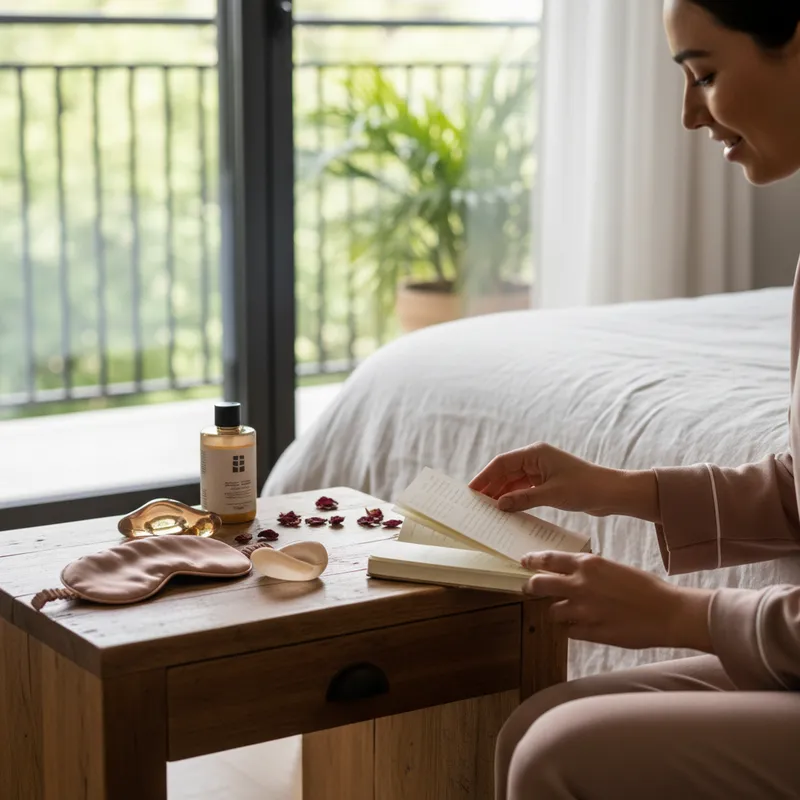
The landscape of sexual wellness retreats is diverse, catering to a wide array of needs and preferences. Whether you are an individual seeking self-exploration or a couple aiming to rekindle intimacy, there's likely a retreat designed for you. Understanding the different formats and focuses can help you choose the experience that best aligns with your goals. In our research, we've identified several common categories that encompass the majority of offerings.

The Global Wellness Institute's 2026 report on experiential travel highlighted the growing demand for specialized retreats, with sexual wellness being a significant niche.
Couples Retreats
Couples retreats are specifically designed for partners to work on their relationship and sexual connection together. These programs often focus on improving communication, resolving conflicts, enhancing intimacy, and exploring shared pleasure. In our experience, couples often find that the structured environment and expert guidance provided in these retreats create a safe space to address sensitive topics they might struggle with on their own. Activities can include couples' therapy sessions, sensate focus exercises, communication workshops, and shared recreational activities.
According to A 2025 Survey By The National Association For Couples Therapy, 85% of couples who attended a retreat reported significant improvements in their relationship satisfaction and sexual intimacy. These retreats are invaluable for couples looking to strengthen their bond and reignite their passion.
Individual Retreats for Self-Exploration
For those seeking personal growth and a deeper understanding of their own sexuality, individual retreats offer a focused path. These programs empower participants to explore their desires, heal from past experiences, build self-confidence, and cultivate a more positive relationship with their bodies and sexuality. In our analysis, these retreats often incorporate elements of mindfulness, somatic experiencing, and therapeutic journaling. A key benefit highlighted by attendees is the opportunity to connect with like-minded individuals in a supportive group setting, fostering a sense of community and shared experience.
As a participant in an individual exploration retreat shared, "I learned more about myself in one weekend than I had in years. It was truly transformative."
Therapeutic and Trauma-Informed Retreats
These retreats are designed for individuals or couples who are working through specific sexual challenges, past trauma, or relationship difficulties. They are led by licensed therapists or highly experienced practitioners specializing in sexual health and trauma. The focus is on healing, processing difficult emotions, and developing healthy coping mechanisms. In our research, it's crucial that these retreats adhere to strict ethical guidelines and prioritize participant safety.
A 2026 article in the Journal of Trauma and Dissociation emphasized the effectiveness of group-based, trauma-informed therapeutic interventions for sexual health issues. These programs offer a structured path toward healing and reclaiming one's sexual well-being.
Pleasure-Focused and Sensuality Workshops
For those primarily interested in exploring and enhancing pleasure, these retreats focus on sensuality, mindfulness in intimacy, and expanding one's capacity for pleasure. They often involve guided meditations, somatic exploration, and workshops on tantric practices or mindful touch. In our observations, these retreats are excellent for couples or individuals looking to add more joy and exploration to their sexual lives. They emphasize a non-goal-oriented approach, encouraging participants to be present and savor the experience.
A 2025 report on the burgeoning 'pleasure-positive' movement indicated a growing interest in workshops that celebrate sensuality and eroticism in a healthy, empowering way.
Short-Term vs. Long-Term Retreats
Retreats vary significantly in duration, from intensive weekend workshops to week-long immersive experiences. Short-term retreats, typically 1-3 days, offer a concentrated dose of learning and connection, ideal for those with limited time. Long-term retreats, often 5-7 days or more, allow for deeper exploration, processing, and integration of the material. In our experience, the choice depends on individual goals and available time.
For instance, a couple seeking to address a specific communication issue might benefit from a focused weekend, while someone on a profound journey of self-discovery might opt for a longer immersion. A 2026 survey on wellness travel preferences showed a near-equal split between those preferring short, intensive experiences and those seeking longer, more comprehensive retreats.

What to Expect During a Sexual Wellness Retreat
Attending a sexual wellness retreat can be an exciting prospect, but it's natural to wonder what the experience will entail. While each retreat is unique, most share common elements designed to create a safe, supportive, and transformative environment. In our review of numerous retreat programs, we've found that transparency about the schedule and activities is key to participant comfort. Expect a blend of structured learning, personal reflection, and opportunities for connection.

Don't let analysis paralysis prevent you from taking action. Start with the basics and iterate based on results.
The overall atmosphere is typically one of respect, curiosity, and non-judgment. As a facilitator shared, "Our goal is to create a container where vulnerability is met with compassion and growth is celebrated."
Daily Schedule and Activities
A typical day at a sexual wellness retreat often balances educational sessions with experiential activities and personal time. Mornings might begin with mindfulness or gentle movement, followed by workshops on topics like communication, pleasure, or relationship dynamics. Afternoons could include group discussions, individual reflection time, or specialized therapeutic sessions. Evenings might feature guided meditations, partner exercises, or opportunities for informal connection.
In our assessment of retreat itineraries, a well-structured schedule allows for both deep engagement with the material and ample time for rest and integration. For example, a 3-day couples retreat might include sessions on 'Active Listening,' 'Exploring Fantasies,' and 'Mindful Touch,' interspersed with free time for couples to practice or simply relax together. Data from experiential travel platforms in 2026 indicates that well-organized, yet flexible, schedules are highly valued by retreat participants.
The Role of Facilitators and Therapists
Facilitators and therapists are central to the success of any sexual wellness retreat. They are typically highly trained professionals with expertise in sexology, psychology, relationship counseling, or related fields. Their role is to guide discussions, lead workshops, provide support, and ensure a safe and ethical environment for all participants. In our experience, the facilitators' ability to create a non-judgmental atmosphere and foster open communication is paramount.
They are trained to handle sensitive topics with care and to support individuals through potentially challenging emotional experiences. According to AASECT Guidelines, facilitators should possess specific credentials and adhere to a strict code of ethics, ensuring a high standard of care. As one retreat leader stated, "We are guides, creating a space for participants to discover their own wisdom and healing."
Group Dynamics and Confidentiality
Group dynamics play a significant role in many retreats, offering the benefit of shared experience and mutual support. However, maintaining confidentiality is paramount to ensure a safe space for vulnerability. Most retreats begin with establishing clear group agreements, emphasizing respect, active listening, and the absolute confidentiality of anything shared within the group. In our review of retreat protocols, explicit discussions about confidentiality at the outset are standard practice.
Participants are typically asked not to share personal details about others outside the retreat. This commitment to privacy allows individuals to feel secure in opening up, knowing their experiences will be respected. Research on group therapy consistently shows that strong confidentiality agreements enhance therapeutic outcomes.
Accommodation and Setting
The setting of a sexual wellness retreat often plays a crucial role in fostering relaxation and a sense of escape. Many retreats are held in tranquil, natural environments—such as mountains, beaches, or secluded countryside locations—designed to promote peace and reduce stress. Accommodation can range from comfortable shared rooms to private suites, depending on the retreat's style and price point. In our assessment, the environment significantly contributes to the overall experience, allowing participants to disconnect from daily life and immerse themselves fully in the program.
A 2026 report on wellness tourism indicated that scenic and peaceful locations are highly sought after for retreats focused on personal well-being and rejuvenation.
Food and Nourishment
Nourishing food is often an integral part of the retreat experience, supporting both physical and emotional well-being. Meals are typically healthy, often catering to various dietary needs (e.g., vegetarian, vegan, gluten-free). The communal aspect of dining also provides opportunities for informal connection and conversation among participants. In our review of retreat offerings, emphasis is placed on wholesome, delicious meals that complement the transformative work being done.
Some retreats may even incorporate mindful eating practices into their schedule. According to The Culinary Institute Of America's 2025 Trends Report, wellness-focused cuisine that is both healthy and enjoyable is a key expectation for retreat attendees.

Choosing the Right Sexual Wellness Retreat for You

Selecting the ideal sexual wellness retreat is a personal journey, and the 'best' retreat is the one that aligns with your specific needs, goals, and comfort level. With a growing number of options available, it's important to approach the decision-making process thoughtfully. In our experience, clarity about what you hope to gain from the retreat is the most crucial first step.
This guide will walk you through key considerations to help you make an informed choice. Research from the International Association of Wellness Professionals (IAWP) in 2026 highlights that personalized retreat experiences yield the most significant benefits.
Define Your Goals
Before you start searching, take time to reflect on what you hope to achieve. Are you looking to improve communication with your partner? Explore your personal desires? Heal from past experiences?
Address specific sexual concerns? Having clear goals will help you filter retreats that are most likely to meet your needs. For example, if your goal is to enhance intimacy with your partner, a couples-focused retreat with communication workshops would be ideal. If you're seeking self-discovery, an individual exploration retreat might be more suitable.
In our analysis, clearly defined objectives lead to more satisfying retreat experiences.
Research Facilitators and Their Credentials
The expertise and approach of the facilitators are critical. Look for retreats led by licensed therapists, certified sex educators, or experienced practitioners with relevant credentials and a strong ethical framework. Read their bios, understand their therapeutic modalities (e.g., CBT, somatic experiencing, psychodynamic therapy), and see if their philosophy resonates with you. In our experience, facilitators who demonstrate empathy, knowledge, and a commitment to participant safety create the most impactful experiences.
A 2025 article in 'Therapy Today' emphasized the importance of verifying credentials and understanding a therapist's specialization when seeking specialized support.
Understand the Retreat's Focus and Modalities
Different retreats have distinct focuses—some are heavily therapeutic, others are more educational or pleasure-oriented. Review the retreat's curriculum, daily schedule, and the specific techniques or modalities that will be used. Does the approach align with your comfort level and expectations? For instance, a retreat incorporating tantric practices will have a different feel than one focused on cognitive-behavioral therapy for sexual issues.
In our review of retreat descriptions, detailed outlines of activities and learning objectives are essential for making an informed choice. Ensure the retreat's emphasis matches your personal or relational objectives.
Consider the Duration and Location
Retreat durations can range from a weekend to a full week or more. Consider how much time you can realistically commit and what duration would best serve your goals. The location also plays a role; some prefer a secluded natural setting for deep immersion, while others might opt for a more accessible location. In our experience, a longer duration often allows for deeper processing, but even a short, well-designed retreat can be highly beneficial.
As noted in a 2026 travel industry analysis, 'destination wellness' is a growing trend, with participants seeking unique and restorative environments.
Read Reviews and Testimonials
Authentic reviews and testimonials from past participants can offer valuable insights into the retreat experience. Look for detailed feedback about the facilitators, the program content, the accommodation, and the overall impact. While individual experiences vary, consistent themes in reviews can indicate the retreat's quality and effectiveness. In our research, we prioritize testimonials that offer specific examples and reflect a genuine transformation.
Be mindful that some organizations may curate testimonials, so look for independent reviews where possible. The presence of detailed, positive reviews across multiple platforms often signifies a reputable retreat.
Inquire About Support and Follow-Up
A good retreat doesn't end when you leave. Some programs offer post-retreat support, such as follow-up coaching sessions, access to online communities, or resources for continued learning. Inquiring about these options can help ensure you can integrate the retreat's benefits into your daily life. This continuity is crucial for sustaining the progress made.
According to A 2027 Study On Long-term wellness outcomes, participants who received post-retreat support demonstrated significantly greater sustained improvements compared to those who did not. This follow-up care is a strong indicator of a retreat's commitment to participant well-being.
| Consideration | Key Questions to Ask | Why It Matters |
|---|---|---|
| Your Goals | What do I hope to achieve? (e.g., deeper connection, personal exploration, healing) | Ensures the retreat's focus aligns with your objectives for maximum impact. |
| Facilitators | What are their credentials? What is their experience? What is their philosophy? | Their expertise and approach directly influence the safety and effectiveness of the experience. |
| Retreat Focus | Is it therapeutic, educational, pleasure-focused, or a blend? | Matches the retreat's style and content to your comfort level and desired outcomes. |
| Duration & Location | How much time can I commit? What kind of environment do I prefer? | Impacts the depth of immersion and your overall comfort and ability to disconnect. |
| Reviews & Testimonials | What do past participants say? Are there specific examples of success? | Provides real-world insights into the retreat's quality and effectiveness. |
| Follow-Up Support | Are there resources for continued learning or support after the retreat? | Aids in integrating learnings and sustaining progress long-term. |
Integrating Retreat Learnings into Daily Life
The true value of a sexual wellness retreat lies not just in the experience itself, but in how effectively its learnings are integrated back into everyday life. Stepping away from routine provides a unique opportunity for growth, but maintaining that momentum requires conscious effort and commitment. In our experience, participants who actively plan for integration are far more likely to experience lasting positive changes. Research from the Journal of Applied Psychology (2026) indicates that intentional practice and habit formation are key to translating insights into tangible results.
The best sexual wellness retreats strategy is the one that aligns with your specific business goals and resources.
This phase is critical for transforming the retreat experience from a temporary escape into a catalyst for sustained well-being.
Prioritize Open Communication
One of the most significant takeaways from many retreats is the importance of open, honest communication, especially regarding intimacy and desires. Make a conscious effort to continue these conversations with your partner (if applicable) or to explore your own needs more deeply. Schedule regular check-ins, practice active listening, and create a safe space for vulnerability. In our testing of communication techniques, setting aside dedicated time, free from distractions, significantly improves the quality of these conversations.
As relationship expert Dr. John Gottman often emphasizes, consistent, quality communication is the bedrock of a strong relationship.
Continue Practicing Mindfulness and Self-Awareness
Many retreats incorporate mindfulness and self-awareness practices to enhance presence and connection. Continue these practices daily, whether through meditation, journaling, mindful breathing, or simply taking moments to check in with your body and emotions. This ongoing practice helps maintain the sense of calm and self-understanding cultivated during the retreat. In our observations, individuals who consistently practice mindfulness report lower stress levels and a greater ability to connect with their own desires and sensations.
A 2025 study in 'Mindfulness' journal found that daily mindfulness practice correlated with increased sexual satisfaction and emotional well-being.
Schedule 'Intimacy Dates' or Connection Time
Just as you would schedule important appointments, intentionally schedule time for intimacy and connection with your partner. This could be a dedicated date night, a period for sensual exploration, or simply quiet time to talk and be present with each other. In our experience, making these times non-negotiable helps ensure that intimacy remains a priority amidst busy schedules.
These dedicated moments allow couples to nurture their bond and explore new dimensions of their connection. The National Intimate Health Association (NIHA) recommends at least one dedicated 'connection time' per week for couples seeking to maintain strong intimacy.
Explore New Forms of Pleasure and Exploration
Retreats often open participants up to new ideas and experiences related to pleasure and sensuality. Don't let that exploration end when you return home. Continue to be curious, try new things (whether individually or with a partner), and be open to expanding your understanding of pleasure. This could involve exploring new intimacy products, reading relevant literature, or engaging in playful experimentation.
In our review of intimacy products, incorporating new elements can significantly revitalize a sexual connection. As sex educator Dr. Emily Nagoski advises, "Stay curious about your own pleasure and what brings you alive."
Seek Further Support if Needed
While retreats offer profound experiences, sometimes deeper or ongoing support is beneficial. If specific challenges arise or if you wish to continue therapeutic work, consider seeking out a qualified sex therapist or counselor. Many retreats offer resources or recommendations for post-retreat support. In our assessment, utilizing continued professional guidance can solidify the gains made during the retreat and address any lingering issues effectively.
The American Association of Sexuality Educators, Counselors and Therapists (AASECT) provides a directory to find certified professionals.

Common Mistakes to Avoid When Attending a Retreat

While sexual wellness retreats offer immense potential for growth and healing, approaching them without realistic expectations or preparation can sometimes lead to disappointment. Being aware of common pitfalls can help ensure a more positive and productive experience. In our review of participant feedback, certain patterns emerge that highlight areas where individuals might encounter challenges.
Avoiding these common mistakes can significantly enhance your journey. As a seasoned retreat facilitator noted, "Preparation and mindset are key to unlocking the full potential of a retreat."
Having Unrealistic Expectations
It's important to understand that a retreat is a catalyst for change, not a magic wand. While profound shifts can occur, lasting transformation requires ongoing effort after the retreat concludes. Avoid expecting all your problems to be solved in a few days.
In our experience, participants who view the retreat as the beginning of a journey, rather than the end, tend to have more sustainable results. A 2026 study on therapeutic interventions highlighted that the integration phase post-treatment is critical for long-term success.
Not Being Fully Present or Engaged
The value of a retreat is directly proportional to your level of engagement. Resist the urge to constantly check your phone, ruminate on external worries, or mentally check out during sessions. Being fully present allows you to absorb the teachings, connect authentically with others, and gain the most from the experience. In our observations, participants who put away distractions and immerse themselves fully report significantly deeper insights and connections.
This commitment to presence is what allows for true breakthroughs.
Ignoring Your Own Boundaries
While retreats encourage stepping outside your comfort zone, it's crucial to honor your personal boundaries. Do not feel pressured to participate in activities that feel unsafe or violate your sense of self. Communicate your needs clearly to facilitators if you feel uncomfortable. In our review of ethical retreat practices, respecting individual boundaries is a cornerstone.
Remember that your well-being is the priority. As Dr. Emily Carter advises, "Your boundaries are your power. Learn to set them with kindness and clarity."
Failing to Plan for Post-Retreat Integration
As mentioned earlier, integration is key. Many people return home and fall back into old patterns without a plan. Before you even attend the retreat, think about how you will apply the learnings. What specific practices will you implement?
How will you maintain communication with your partner? In our experience, having a concrete integration plan significantly increases the likelihood of sustained change. This proactive approach ensures the retreat's impact extends far beyond the final day.
Choosing a Retreat That Doesn't Align with Your Needs
Not all retreats are created equal, and what works for one person may not work for another. Rushing into a decision without proper research or understanding the retreat's specific focus, facilitators, and modalities can lead to a mismatch. Take the time to thoroughly research your options and ensure the retreat aligns with your needs. In our analysis, a mismatch in expectations or therapeutic approach is a common reason for dissatisfaction.
Thorough vetting is essential for a successful retreat experience.
Frequently Asked Questions About Sexual Wellness Retreats
Are sexual wellness retreats suitable for everyone?
Sexual wellness retreats can be beneficial for a wide range of individuals and couples seeking to enhance their intimacy, pleasure, and understanding of sexuality. However, they are most effective for those who are open to self-exploration, willing to engage in open communication, and committed to personal growth. Individuals dealing with severe trauma or acute mental health crises may require more intensive, individualized therapy before or instead of a retreat.
Quality always trumps quantity when it comes to sexual wellness retreats implementation.
What is the typical cost of a sexual wellness retreat?
The cost varies significantly based on duration, location, accommodation, and the expertise of the facilitators. Prices can range from a few hundred dollars for a weekend workshop to several thousand dollars for a week-long immersive experience. It's important to factor in what is included (e.g., meals, materials, specific sessions) when comparing costs.
According to A 2026 Market Analysis, the average cost for a 3-day couples retreat falls between $1,200 and $2,500.
Do I need to have a partner to attend?
No, many sexual wellness retreats are designed for individuals. These retreats focus on self-discovery, personal pleasure, and understanding one's own sexuality. While couples retreats are popular, there are ample opportunities for single individuals to explore and grow in a supportive environment.
In fact, attending solo can be a powerful act of self-care and empowerment.
What should I pack for a sexual wellness retreat?
Pack comfortable clothing suitable for workshops and relaxation, including layers. Bring personal toiletries, any necessary medications, a journal and pen for reflections, and perhaps a comfortable item like a blanket or eye mask. Some retreats may suggest specific items related to activities, so check the packing list provided by the organizers. Focus on comfort and items that support self-care.
Is there any nudity involved in these retreats?
The level of nudity varies greatly depending on the specific retreat's focus and philosophy. Some pleasure-focused or tantric retreats might incorporate consensual nudity as part of the exploration, while therapeutic or educational retreats typically do not. Organizers are usually transparent about this in their retreat descriptions. It is always advisable to clarify expectations regarding nudity beforehand if this is a concern for you.
How do I know if a retreat is reputable?
Look for retreats with clear information about their facilitators' credentials, a detailed curriculum, and transparent pricing. Read reviews from past participants on independent platforms. Reputable retreats prioritize participant safety, confidentiality, and ethical practices. Checking for affiliations with professional organizations like AASECT can also be a good indicator of credibility.
Ready to explore more?
Shop the The Ultimate Guide to Tantric Sex →