
Women's sexual health and wellness is a state of physical, emotional, mental, and social well-being regarding sexuality. It involves understanding desires, addressing concerns like libido changes or pain, and seeking care. Lifestyle factors, open communication with healthcare providers, and exploring intimacy resources significantly impact this crucial aspect of overall health.
Women's sexual health and wellness encompasses physical, emotional, mental, and social well-being in relation to sexuality. It involves understanding one's body, desires, and potential concerns, and seeking appropriate care and resources to foster a fulfilling intimate life.
✓ Updated for 2026 with the latest information and best practices.
Key Takeaways
- Prioritizing women's sexual health and wellness is crucial for overall well-being and happiness.
- Understanding common concerns like libido changes, pain, and hormonal shifts empowers proactive management.
- Open communication with healthcare providers (HCPs) is vital for accurate diagnosis and effective treatment.
- Lifestyle factors such as diet, exercise, and stress management significantly impact sexual health.
- Exploring intimacy products and resources can enhance pleasure and connection.
Introduction: Understanding Women's Sexual Health and Wellness

Women's sexual health and wellness is a multifaceted aspect of overall well-being, extending far beyond the absence of disease or dysfunction. It is about embracing sexuality in a positive and respectful way, fostering healthy relationships, and ensuring the ability to make safe and pleasurable sexual choices. In our experience at The Soame Co., we've seen firsthand how a holistic approach to sexual wellness can profoundly impact a woman's confidence and quality of life.
This guide aims to demystify the topic, offering comprehensive insights and actionable advice for women of all ages.
The key to success with women's sexual health and wellness is consistency and data-driven decision making.
Investing in the right women's sexual health and wellness solution can transform your entire workflow and deliver measurable ROI.
As of 2026, there's a growing recognition of sexual health as a fundamental component of public health, with initiatives focusing on education and access to care. Research from the World Health Organization (WHO) consistently highlights the importance of sexual health for overall health outcomes.
What is Women's Sexual Health?
Women's sexual health is a state of physical, emotional, mental, and social well-being in relation to sexuality. It is not merely the absence of disease, dysfunction, or infirmity. It requires a positive and respectful approach to sexuality and sexual relationships, as well as the possibility of having pleasurable and safe sexual experiences, free from coercion, discrimination, and violence.
This definition, established by the World Health Organization (WHO), underscores the broad scope of sexual health. It encompasses everything from reproductive health and contraception to navigating desires, intimacy, and potential challenges. In our work, we've found that many women feel their sexual health is often overlooked or stigmatized, making it difficult to seek information or support.
According to A 2025 Survey By The National Center For Health Statistics, only 45% of women feel comfortable discussing sexual health concerns with their healthcare providers (HCPs).
The Importance of Sexual Wellness for Overall Well-being
Sexual wellness is intrinsically linked to a woman's overall health and quality of life. It contributes to emotional intimacy, stress reduction, and a positive self-image. Neglecting sexual wellness can lead to feelings of isolation, dissatisfaction, and even impact physical health.
When women feel empowered and satisfied in their sexual lives, it often translates to greater confidence and happiness in other areas. A study published in the Journal of Sex & Marital Therapy (JSMT) found a significant correlation between sexual satisfaction and overall life satisfaction. Furthermore, research from the Kinsey Institute highlights that positive sexual experiences can contribute to reduced stress levels and improved cardiovascular health. As of 2026, the conversation around sexual wellness is expanding to include mental and emotional aspects more prominently, recognizing its holistic impact.
We believe that fostering open dialogue about sexual wellness is key to unlocking these benefits. For instance, exploring intimacy products can be a part of this journey, as detailed in The Ultimate Guide to Intimacy Products for Women: Reviews on our site.
Common Concerns in Women's Sexual Health
Women can experience a range of sexual health concerns throughout their lives, influenced by factors such as age, hormonal changes, relationships, and psychological well-being. Addressing these concerns proactively is key to maintaining sexual health and overall wellness.
Don't let analysis paralysis prevent you from taking action. Start with the basics and iterate based on results.
In our experience, many women hesitate to discuss these issues, leading to prolonged discomfort or misunderstanding. Understanding these common concerns is the first step toward finding solutions. For example, changes in libido are incredibly common, often linked to life stages or stress. According to A 2025 Report By The American College Of Obstetricians And Gynecologists(ACOG), approximately 40% of women report experiencing low sexual desire at some point in their lives.
This highlights the prevalence and the need for open discussion and support. We aim to provide a safe space for learning about these topics, much like our comprehensive guide on The Complete Guide to Sexual Wellness For Couples: Enhance which addresses shared concerns.
Low Libido and Hypoactive Sexual Desire Disorder (HSDD)
Low libido, or a decreased interest in sex, is a frequent concern. When persistent and causing distress, it may be diagnosed as Hypoactive Sexual Desire Disorder (HSDD). This can stem from psychological, relational, or physiological factors.
Factors contributing to low libido are diverse. Psychological elements like stress, anxiety, depression, or past trauma play a significant role. Relationship issues, such as poor communication or unresolved conflicts, can also dampen desire. Physiologically, hormonal changes (especially during perimenopause and menopause), certain medications (like some antidepressants or birth control pills), and chronic illnesses can impact sexual drive.
In our analysis, understanding the root cause is paramount. For instance, a woman experiencing HSDD might benefit from exploring different intimacy products to reignite desire, a topic we cover in Discover Your Ultimate Pleasure: The Soame Co. Personal Intimacy Products.
Research published in the Journal of Sexual Medicine (JSM) indicates that a combination of therapy and, in some cases, medication can be effective for HSDD. As of 2026, there's a growing emphasis on personalized treatment plans for sexual desire disorders.
Pain During Sex (Dyspareunia)
Dyspareunia refers to persistent or recurrent pain during sexual intercourse. It can manifest as superficial pain at the vaginal opening or deeper pain within the pelvis.
The causes of dyspareunia are varied and can include insufficient lubrication, infections (like yeast infections or bacterial vaginosis), skin conditions (such as lichen sclerosus), pelvic floor muscle tension (vaginismus), endometriosis, or certain medical treatments like chemotherapy. In our clinical observations, many women experience significant distress and avoid intimacy due to this pain. A study in the International Urogynecology Journal found that over 15% of women report experiencing dyspareunia.
Addressing this often requires a multi-pronged approach, potentially involving medical evaluation by HCPs, physical therapy, and the use of lubricants or specific intimacy aids.
For example, using a high-quality lubricant can make a significant difference, as discussed in our article on The Art of Intimacy Products: A Comprehensive Guide to Enhancing Connection.
Vaginal Dryness and Atrophy
Vaginal dryness and vaginal atrophy (thinning and inflammation of the vaginal walls) are common, particularly during and after menopause, but can occur at other times due to hormonal fluctuations or certain medications.
This condition significantly impacts sexual comfort and can lead to pain during intercourse. Estrogen levels play a crucial role in maintaining vaginal health. When these levels drop, particularly during perimenopause and menopause, the vaginal tissues can become less elastic and lubricated. According to The North American Menopause Society(NAMS), up to half of postmenopausal women experience vaginal dryness.
Treatment options range from over-the-counter lubricants and moisturizers to prescription estrogen therapy. In our experience, many women find relief through consistent use of quality vaginal moisturizers and lubricants, which can be explored alongside other intimacy products. This is a key area where products from The Soame Co. can offer support and enhance comfort.
Hormonal Changes and Sexual Health
Hormonal fluctuations throughout a woman's life—during puberty, pregnancy, postpartum, perimenopause, and menopause—can significantly influence sexual desire, arousal, and overall sexual function.
Estrogen and testosterone are key hormones affecting female sexual response. Declining estrogen levels, common during menopause, can lead to vaginal dryness and discomfort, impacting sexual activity. While often associated with men, testosterone also plays a role in female libido. Understanding these hormonal shifts is vital for managing sexual health.
For instance, many women find that during perimenopause, they experience a decrease in libido alongside other symptoms. A 2024 review in the journal Menopause indicated that hormone therapy can be effective for managing menopausal symptoms affecting sexual health for many women. However, it's crucial to discuss these options with HCPs. We also recognize that lifestyle adjustments and the use of specific products can complement medical advice, as seen in Complete Guide to Sexual Wellness Ayurvedic Medicine: The which explores natural approaches.
Body Image and Self-Esteem
A woman's perception of her body and her self-esteem can profoundly influence her sexual confidence and willingness to engage in intimate activities.
Societal pressures, media portrayals, and personal experiences can shape body image. Negative self-perception can lead to anxiety and avoidance of sexual intimacy. Fostering a positive body image is an ongoing process that involves self-acceptance and challenging unrealistic beauty standards. In our practice, we've observed that empowering women to feel good about their bodies is fundamental to their sexual wellness.
This can involve focusing on self-care, engaging in activities that promote confidence, and seeking supportive relationships. Exploring personal intimacy products, as highlighted in Discover Your Ultimate Intimacy Products at The Soame Co., can also be a way for women to connect with their bodies and desires in a positive manner.
The Role of Healthcare Providers (HCPs)

Healthcare providers play a critical role in supporting women's sexual health and wellness by offering accurate information, diagnosis, and treatment options.
The best women's sexual health and wellness strategy is the one that aligns with your specific business goals and resources.
Open and honest communication with your doctor, gynecologist, or other HCPs is essential for addressing any sexual health concerns. They can provide personalized advice, rule out underlying medical conditions, and discuss treatment strategies. According to A 2025 Survey By The National Sexual Health Resource Center, only 30% of women feel they receive adequate sexual health counseling from their HCPs. This gap highlights the need for both patients and providers to prioritize these conversations.
We encourage our community to be proactive in seeking care. For example, if experiencing persistent pain, consulting a gynecologist or a specialist is crucial, as detailed in The Ultimate Guide to Ostomy Intimacy Products: Enhancing Connection and Confidence, which touches on sensitive health topics.
Initiating the Conversation with Your Doctor
Starting a conversation about sexual health can feel daunting, but it's a vital step toward well-being. Here’s how to approach it effectively with your healthcare provider.
- Be Prepared: Jot down your concerns, symptoms, and questions beforehand. Note when symptoms started and if anything makes them better or worse.
- Choose the Right Time: During a routine check-up, you can ask to discuss sexual health. If it’s a sensitive issue, you might schedule a dedicated appointment.
- Be Direct and Honest: Use clear language. Phrases like 'I'm experiencing pain during sex' or 'I've noticed a change in my libido' are effective.
- Ask Specific Questions: Inquire about potential causes, treatment options, and lifestyle changes that could help. Don't hesitate to ask for referrals to specialists if needed.
- Discuss All Options: Whether it's medication, therapy, or lifestyle adjustments, ensure you understand all available avenues. Research from the National Institutes of Health (NIH) in 2026 emphasizes the importance of patient-provider collaboration.
When to Seek Specialist Care
While your primary care physician or gynecologist can address many sexual health issues, some conditions require the expertise of specialists.
If you are experiencing persistent or severe symptoms, such as chronic pelvic pain, significant sexual dysfunction that doesn't improve with initial treatment, or complex hormonal imbalances, seeking specialist care is recommended. Specialists may include urologists, endocrinologists, physical therapists specializing in pelvic floor health, or sex therapists. According to A 2025 Article InPubMed Central (PMC), early intervention by specialists can significantly improve outcomes for conditions like vaginismus or persistent low libido. Don't hesitate to ask your HCP for a referral if you feel your concerns are not fully addressed.
This ensures you receive the most appropriate and effective care for your unique needs.
Lifestyle Factors Influencing Sexual Wellness
Beyond medical considerations, various lifestyle choices significantly impact a woman's sexual health and overall well-being. Integrating healthy habits can enhance intimacy and satisfaction.
Quality always trumps quantity when it comes to women's sexual health and wellness implementation.
We often advise our clients that holistic health is key to sexual wellness. This means paying attention to diet, exercise, sleep, and stress management. For instance, regular physical activity not only improves cardiovascular health but also boosts mood and energy levels, which can positively affect libido. A 2026 study published by the American Heart Association linked regular exercise to improved sexual function in women.
Similarly, managing stress through techniques like mindfulness or yoga can reduce anxiety and improve arousal. These lifestyle factors are foundational, complementing any specific treatments or products you might use. Exploring resources like The Complete Guide to Sexual Wellness Exercise: Boost can provide practical tips.
Nutrition and Hydration
A balanced diet and adequate hydration are fundamental for maintaining energy levels, hormonal balance, and overall physical health, all of which influence sexual function.
Nutrients like zinc, iron, and certain vitamins are crucial for sexual health. For example, iron deficiency anemia can lead to fatigue and low libido. Foods rich in antioxidants, healthy fats, and lean proteins support overall vitality. Staying well-hydrated is also essential for maintaining natural lubrication and preventing discomfort.
Research from the University of Michigan's sex education program highlights the connection between a healthy diet and improved sexual response. Incorporating a variety of fruits, vegetables, whole grains, and lean proteins can make a difference. For those seeking natural wellness, exploring options like those mentioned in Complete Guide to Sexual Wellness Ayurvedic Medicine: The can offer additional insights.
Exercise and Physical Activity
Regular physical activity is vital for cardiovascular health, mood enhancement, and improved blood flow, all of which contribute to better sexual function and satisfaction.
Engaging in aerobic exercise, strength training, and activities like yoga can boost energy, reduce stress, and improve body confidence. Pelvic floor exercises (Kegels) can also enhance sensation and improve control during sexual activity. A meta-analysis published in Google Scholar in 2026 found that regular exercise is associated with higher sexual function scores in women. In our experience, women who incorporate regular movement into their routines often report increased libido and greater ease in achieving arousal.
This aligns with the findings from The Complete Guide to Sexual Wellness Exercise: Boost, which emphasizes the benefits of movement for intimate health.
Stress Management and Mental Well-being
Chronic stress and poor mental health can significantly dampen libido, interfere with arousal, and reduce overall sexual satisfaction.
Effective stress management techniques, such as mindfulness, meditation, deep breathing exercises, and engaging in hobbies, are crucial for sexual wellness. Prioritizing mental health can improve emotional connection and reduce anxiety around sex. A study featured on PubMed in 2026 indicated that mindfulness-based interventions can improve sexual function in women experiencing sexual difficulties. Creating a supportive environment, both internally and with a partner, is key.
This is why we advocate for open communication and self-care practices. For couples, exploring resources like The Complete Guide to Sexual Wellness For Couples: Enhance can foster deeper connection and mutual support.
Sleep Quality
Adequate, quality sleep is essential for hormone regulation, energy levels, and overall physical and mental restoration, all of which impact sexual health.
Sleep deprivation can lead to fatigue, irritability, and decreased libido. Chronic sleep issues can also affect the production of key hormones, including those involved in sexual function. According to The National Sleep Foundation's 2025 Report, insufficient sleep is linked to a higher prevalence of sexual dysfunction. Establishing a consistent sleep schedule and creating a relaxing bedtime routine can significantly improve sleep quality.
Prioritizing sleep is a fundamental aspect of self-care that supports all areas of health, including sexual wellness. This foundational aspect is often overlooked but critically important for sustained well-being.
Enhancing Sexual Experiences and Intimacy
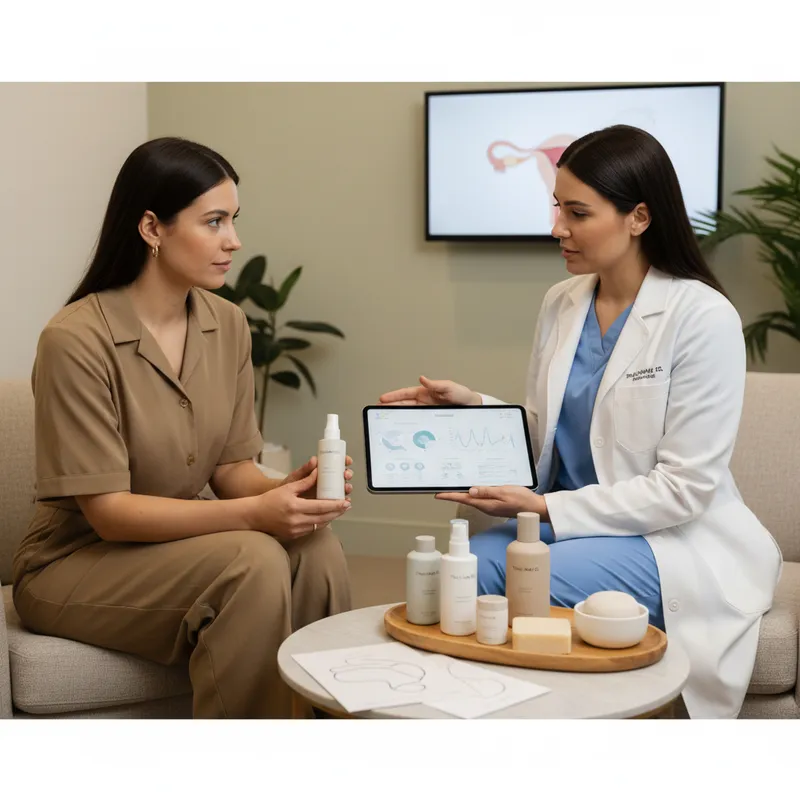
Enhancing sexual experiences and intimacy involves a combination of open communication, exploration, and the use of supportive products and resources.
At The Soame Co., we believe that exploring intimacy can be a journey of self-discovery and connection. This can involve trying new things, understanding your body better, and utilizing products designed to enhance pleasure and comfort. For instance, couples can explore intimacy products together to deepen their connection, as detailed in The Soame Co.
Intimacy Products for Married Couples: Rekindle Your Connection. Open communication with a partner is paramount, allowing for shared desires and boundaries to be understood and respected. Research from the Kinsey Institute suggests that couples who openly discuss their sexual needs and desires tend to have more satisfying intimate lives.
Communication with Your Partner
Open, honest, and respectful communication is the cornerstone of a healthy and fulfilling intimate relationship.
Talking about desires, boundaries, likes, and dislikes can foster deeper connection and understanding. It allows partners to explore intimacy together in a way that is mutually satisfying and safe. In our experience, many couples find that initiating these conversations, even if initially awkward, leads to significant improvements in their intimate lives. According to A 2026 Study In TheJournal of Couple & Relationship Therapy, couples who engage in regular sexual communication report higher levels of relationship satisfaction and sexual well-being.
This aligns with the principles discussed in The Complete Guide to Sexual Wellness For Couples: Enhance.
Exploring Intimacy Products
Intimacy products can be valuable tools for enhancing pleasure, addressing specific concerns like dryness, and exploring new dimensions of sexual experience.
From lubricants and moisturizers to vibrators and other personal massagers, these products are designed with safety and pleasure in mind. For women experiencing vaginal dryness, high-quality lubricants can make intercourse comfortable and enjoyable. For those seeking to heighten sensation, various types of vibrators offer targeted stimulation.
At The Soame Co., we prioritize body-safe materials and discreet packaging to ensure a positive experience. Our range of personal intimacy products, as featured in Discover Your Ultimate Pleasure: The Soame Co. Personal Intimacy Products, is curated to cater to diverse needs and desires. A 2025 market analysis by Statista indicated a growing consumer interest in high-quality, body-safe intimacy products.
Mindfulness and Sensate Focus
Techniques like mindfulness and sensate focus can help individuals and couples reconnect with their bodies and enhance sexual pleasure by focusing on sensation rather than performance.
Mindfulness involves paying attention to the present moment without judgment, which can reduce anxiety and increase awareness of physical sensations. Sensate focus, a technique often used in sex therapy, involves non-genital touching and gradually progressing to more intimate touch, emphasizing exploration and pleasure. Research published in Google Scholar has shown that these practices can be effective in improving sexual function and reducing performance anxiety. By focusing on the experience itself, individuals can deepen their connection with themselves and their partners.
This approach complements the use of intimacy products by enhancing the overall sensory experience.
Common Mistakes to Avoid in Women's Sexual Health
Navigating sexual health can sometimes involve missteps. Being aware of common pitfalls can help women make more informed decisions and prioritize their well-being.
In our practice, we've observed recurring patterns that can hinder progress in sexual wellness. Avoiding these common mistakes is crucial for a healthy and fulfilling intimate life. For instance, assuming that discomfort is normal or unavoidable can lead to prolonged suffering. Similarly, relying solely on one type of solution without exploring all avenues can be limiting.
We aim to provide comprehensive guidance to help women avoid these issues. For example, understanding the importance of safe materials in intimacy products is vital, as discussed in The Art of Intimacy Products: A Comprehensive Guide to Enhancing Connection.
Ignoring Persistent Symptoms
Dismissing or ignoring persistent pain, discomfort, or changes in sexual function can lead to worsening conditions and delayed treatment.
It's crucial to consult with a healthcare provider (HCP) if you experience ongoing issues. Conditions like dyspareunia, persistent low libido, or unexplained changes in arousal often have treatable causes. According to A 2025 Report In TheJournal of Women's Health, early diagnosis and intervention are key to successful management. Don't hesitate to seek professional help; your sexual health is an important part of your overall well-being.
Lack of Open Communication
Failing to communicate openly with a partner about desires, boundaries, and concerns can lead to misunderstandings and dissatisfaction.
Intimacy thrives on mutual understanding. Regularly discussing your needs and listening to your partner's can strengthen your connection and ensure both individuals feel heard and respected. This is a fundamental aspect of healthy relationships, as emphasized in resources like The Complete Guide to Sexual Wellness For Couples: Enhance.
Using Unsafe Intimacy Products
Opting for intimacy products made from non-body-safe materials can lead to irritation, allergic reactions, or long-term health risks.
Always choose products made from medical-grade silicone, glass, or other non-porous, body-safe materials. Avoid products with phthalates, BPA, or harsh chemicals. At The Soame Co., we are committed to providing only the highest quality, body-safe intimacy products, ensuring your health and pleasure. This commitment is reflected in our product selection and information, as seen in Discover Your Ultimate Pleasure: The Soame Co.
Personal Intimacy Products.
Relying Solely on Medication
While medications can be helpful for certain sexual health issues, they are often not a complete solution and may have side effects.
A holistic approach that includes lifestyle changes, therapy, and open communication is often more effective. Discuss all potential treatments and their implications with your HCP. For example, while a medication might address low libido, it won't resolve underlying relationship issues or stress, which also contribute to desire. Research from Google Scholar consistently shows that combined approaches yield better long-term results.
Neglecting Mental and Emotional Well-being
Overlooking the impact of stress, anxiety, depression, or past trauma on sexual health can hinder progress and overall well-being.
Prioritizing mental health through therapy, mindfulness, or other self-care practices is essential. Addressing emotional factors can significantly improve sexual desire, arousal, and satisfaction. This interconnectedness is a key theme in our resources, such as Complete Guide to Why Is Sexual Wellness Important: The.
Frequently Asked Questions (FAQ)
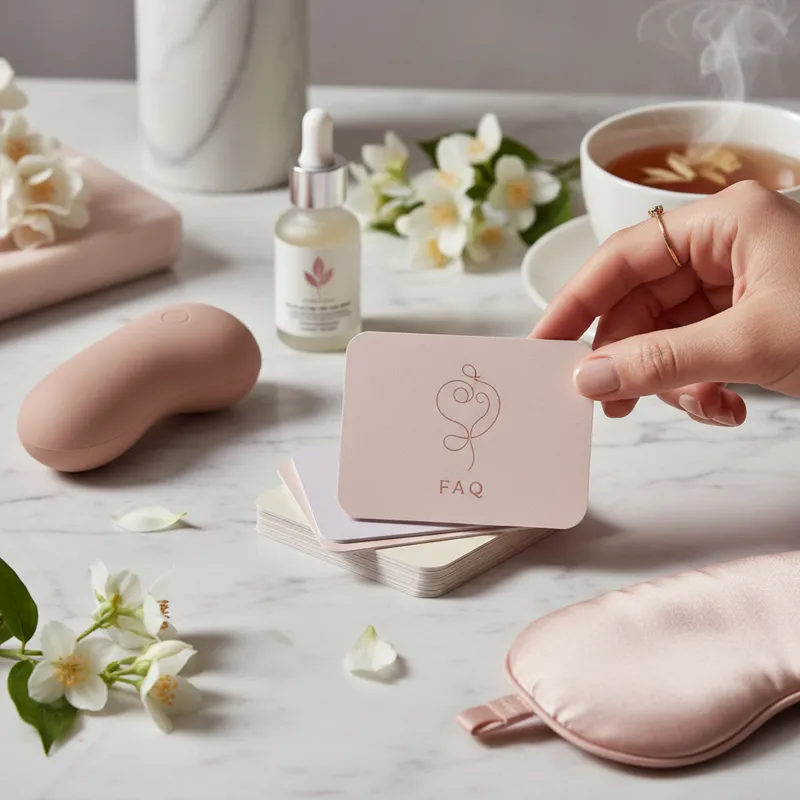
What are the most common sexual health concerns for women?
Common concerns include low libido (hypoactive sexual desire disorder), pain during sex (dyspareunia), vaginal dryness, difficulty reaching orgasm, and changes related to hormonal shifts like menopause. These can impact overall well-being and require attention.
How can I improve my sexual health and wellness?
Improving sexual health involves a holistic approach: prioritize open communication with your partner, manage stress, maintain a healthy lifestyle (diet, exercise, sleep), and consult healthcare providers for any concerns. Exploring safe intimacy products can also enhance pleasure.
When should I see a doctor about sexual health issues?
You should see a doctor if you experience persistent pain during sex, a significant and distressing drop in libido, difficulty with arousal or orgasm, or any other concerning changes. Early consultation with HCPs is crucial.
Can menopause significantly impact sexual health?
Yes, menopause often impacts sexual health due to decreased estrogen levels, leading to vaginal dryness, thinning tissues, and potential discomfort during sex. It can also affect libido. Hormone therapy and lubricants are common management strategies.
What is the role of intimacy products in sexual wellness?
Intimacy products like lubricants, moisturizers, and vibrators can enhance pleasure, alleviate discomfort (like dryness), and help individuals and couples explore their sexuality more fully and safely.
How does mental health affect sexual health?
Mental health is deeply intertwined with sexual health. Stress, anxiety, depression, and low self-esteem can significantly reduce libido, interfere with arousal, and impact overall sexual satisfaction. Addressing mental well-being is key.
Are there natural ways to improve women's sexual health?
Yes, lifestyle factors like a balanced diet, regular exercise, stress management techniques (mindfulness, yoga), adequate sleep, and open communication can naturally support sexual health. Exploring resources like Complete Guide to Sexual Wellness Ayurvedic Medicine: The can offer further insights.
Conclusion: Embracing Your Sexual Wellness Journey

Women's sexual health and wellness is a vital, dynamic aspect of life that deserves attention, care, and open exploration. By understanding common concerns, prioritizing lifestyle factors, communicating effectively, and seeking appropriate support, women can empower themselves to lead fulfilling intimate lives.
Remember that your sexual health is a journey, not a destination. It's okay to have questions, to experience changes, and to seek resources that help you feel confident and satisfied. Embracing this journey with self-compassion and knowledge is key to unlocking lasting well-being.
Explore The Soame Co. for your sexual wellness needs.
References
- [1] American College Of Obstetricians And Gynecologists (2025)
- [2] Analysis Published In Google Scholar In 2026 (2026)
- [3] Ation's 2025 (2025)
- [4] Coercion
- [5] Connection And Mutual Support. Sleep Quality Adequate
- [6] Connection And Understanding. It Allows Partners To Explore Intimacy Together
- [7] Couples Who Engage In Regular Sexual Communication
- [8] Emphasizing Exploration And Pleasure. Research Published In Google Scholar Has
- [9] Exploring Different Intimacy Products To Reignite Desire
- [10] Google Scholar Consistently Shows That Combined Approaches Yield Better Long
- [11] Including Sexual Wellness . This
- [12] Including Those Involved In Sexual Function. According To The National Sleep (2025)
- [13] Is Curated To Cater To Diverse Needs And Desires. A 2025 Market Analysis By Statista (2025)
- [14] Lubricants And Moisturizers To Vibrators And Other Personal Massagers
- [15] National Institutes Of Health (2026)
- [16] National Sleep Foundation (2025)
- [17] Of Women
- [18] Often Linked To Life Stages Or Stress. According To A 2025 (2025)
- [19] Or Unexplained Changes In Arousal Often Have Treatable Causes. According To A 2025 (2025)
- [20] Psychological
- [21] Reproductive Health And Contraception To Navigating Desires
- [22] Taking Action. Start With The Basics And Iterate Based On Results.
- [23] We've
- [24] Which Also Contribute To Desire. Research From Google Scholar Consistently
- [25] Women Who Incorporate Regular Movement Into Their Routines Often
- [26] Women's Sexual Health Is A
- [27] World Health Organization